
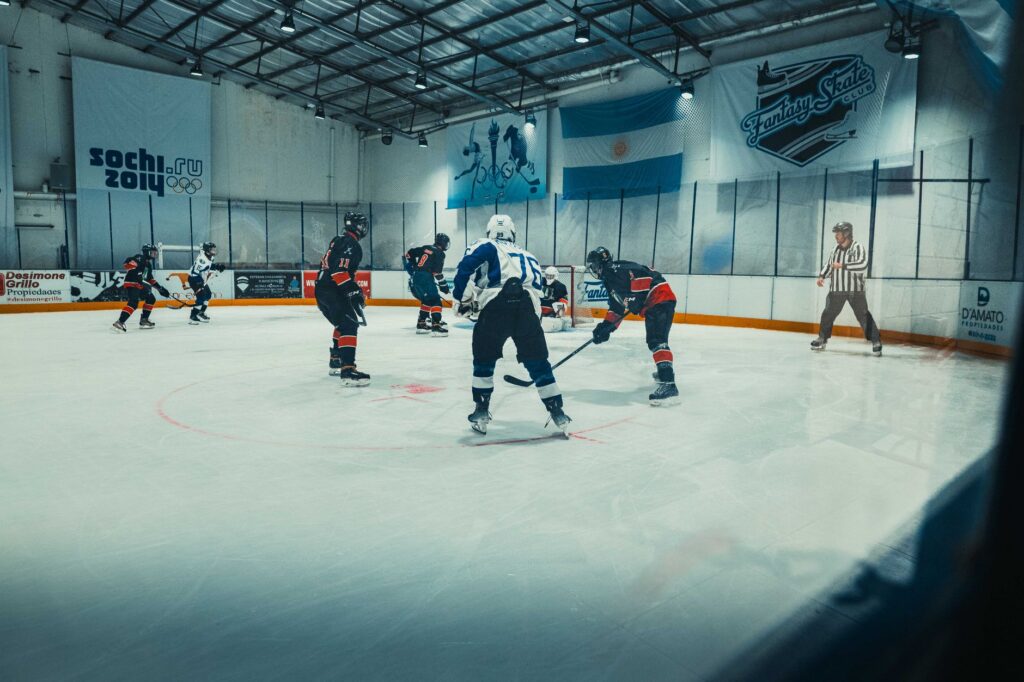

Preparing for a fantasy hockey draft requires a keen eye for rising talent who can step into the league and immediately contribute across multiple statistical categories. While established veterans form the core of any championship roster, finding the right rookie players can provide the depth and upside needed to secure a league title. Identifying which young skaters are ready to make a significant impact at the professional level is one of the most challenging yet rewarding aspects of managing a fantasy team.
Evaluating the Rookie Landscape
Every year, a fresh wave of young talent enters the NHL with high expectations. Some players arrive with immediate top-six forward roles or primary power-play time, while others require patience as they adjust to the speed and physicality of the professional game. Fantasy managers must weigh pre-draft pedigree against actual deployment by their respective coaching staffs. Training camp performances and preseason deployment often provide the best clues regarding which newcomers will receive the trust and ice time necessary to produce.
Key Offensive Contributors to Target
For managers seeking immediate offensive production, forwards who secure top-line minutes or secondary scoring roles are primary targets. Young playmakers with high hocky IQs often benefit from skating alongside established elite talent. When a rookie earns a spot on the man-advantage unit, their fantasy value instantly multiplies. Tracking power-play deployment during the opening weeks of the season is a vital strategy for waiver wire success and final draft positioning.
Defensive Depth and Blue Line Options
Drafting rookie defensemen is notoriously difficult due to the steep learning curve required to master professional zone coverage and positional awareness. However, dynamic offensive blueliners who transition the puck efficiently and quarterback power plays can offer immense value later in drafts. Managers should look for rookies who demonstrate poise under pressure and the ability to log steady minutes without being a liability in their own end.
Maximizing Long-Term Value
Success in fantasy hockey often hinges on balancing short-term needs with long-term potential. Rookies may experience slumps as the grueling 82-game schedule wears on their bodies. Recognizing when to hold onto a struggling young player versus when to trade them for a reliable veteran can define a fantasy manager season. Staying informed on player development, injury reports, and line combinations ensures your roster remains competitive from opening night through the championship playoffs.