
Fernando Alonso has opened up about the central themes of his current discussions regarding a potential contract extension in Formula 1. The two-time world champion is carefully evaluating whether to continue competing as the sport heads toward a major technical overhaul in 2026. Rather than focusing solely on personal performance or team competitiveness, his dialogue with motorsport leadership has zeroed in on the practical impact of the upcoming power unit regulations on traditional racing venues. The veteran driver expressed strong concerns that the technical trajectory mandated for the next generation of cars threatens the unique character of several iconic locations on the global calendar. According to Alonso, the specific characteristics of the new engines risk undermining the flow and spectacle that make certain circuits legendary. His critique highlights a growing tension within the paddock as teams and drivers grapple with the logistical and competitive realities of the upcoming formula. Introduction of the 2026 Power Units The impending technical regulations represent one of the most radical shifts in modern motorsport history. The upcoming power units will place a significantly greater emphasis on electrical energy deployment, shifting the traditional balance between internal combustion power and battery output. While the goal is to enhance sustainability and attract major automotive manufacturers, the physical characteristics of these machines are expected to differ vastly from their predecessors. Drivers and engineers have spent months simulating how the heavier, more energy-reliant cars will handle various track layouts. Concerns have consistently centered on whether the heavy reliance on energy harvesting and deployment will alter the natural rhythm of racing. Overtaking zones, cornering speeds, and straight-line performance are all subject to potential disruption, prompting veterans like Alonso to voice their apprehensions directly to the decision-makers. Impact on Iconic Track Layouts Traditional venues were designed decades ago to suit cars with vastly different performance profiles. The introduction of power units that demand strict energy management can alter how a circuit functions during a Grand Prix weekend. Alonso pointed out that certain tracks face the threat of losing their traditional appeal because the new generation of machinery may not utilize them in a way that produces compelling racing. The debate touches on a delicate balance between modern technological advancement and the preservation of motorsport heritage. Fans and drivers alike hold a deep attachment to circuits that have tested automotive limits for generations. If significant regulation changes diminish the quality of racing at these historic venues, the sport risks alienating segments of its traditional fanbase in pursuit of forward-looking engineering goals. The Decision-Making Process for 2026 Alonso has made it clear that his personal future on the grid depends heavily on how these regulatory challenges are addressed by the governing body and commercial rights holders. As one of the most experienced competitors in the history of the championship, his insights carry substantial weight among team principals and league executives. His willingness to engage in high-level discussions underscores the seriousness of the concerns shared by many within the paddock. Whether these ongoing conversations will lead to adjustments in how the technical rules are applied remains to be seen. The regulatory framework for 2026 is largely locked in, but feedback from elite competitors continues to shape the dialogue surrounding future updates. For Alonso, the priority is ensuring that the premier tier of single-seater racing maintains its core identity while transitioning into a new era of automotive technology.
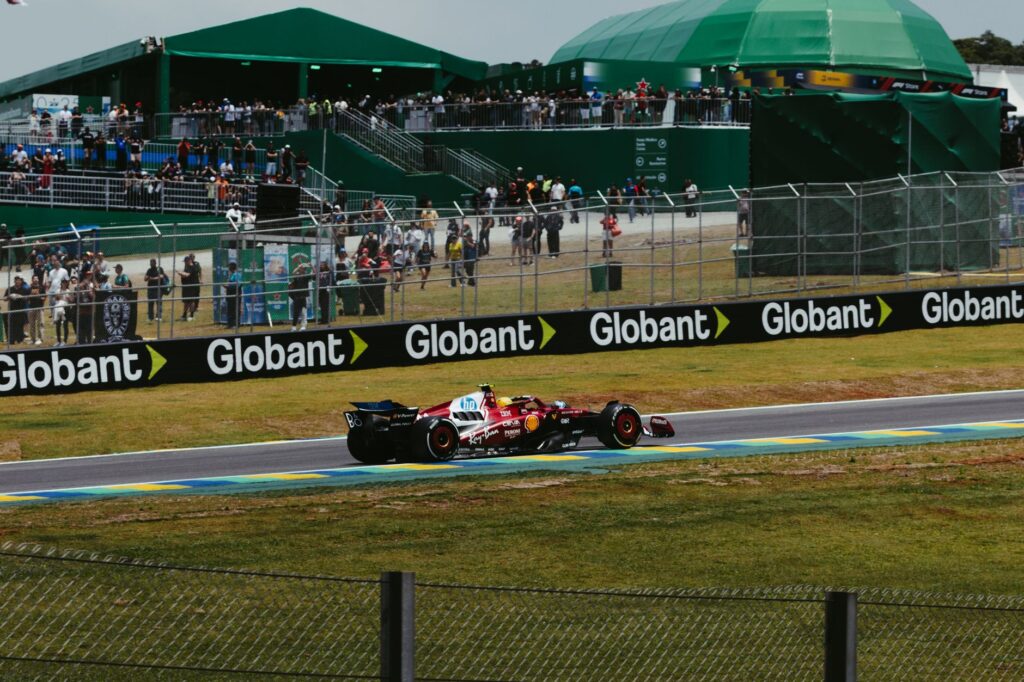
Photo by Jonathan Borba on Pexels
Posted inOther Sports
Fernando Alonso Warns Formula 1 Regulations Are Harming Historic Circuits
Posted by
 No Comments
No Comments
Post navigation
Previous Post
 IPL 2027 Auction Set to Take Place in Goa This December