
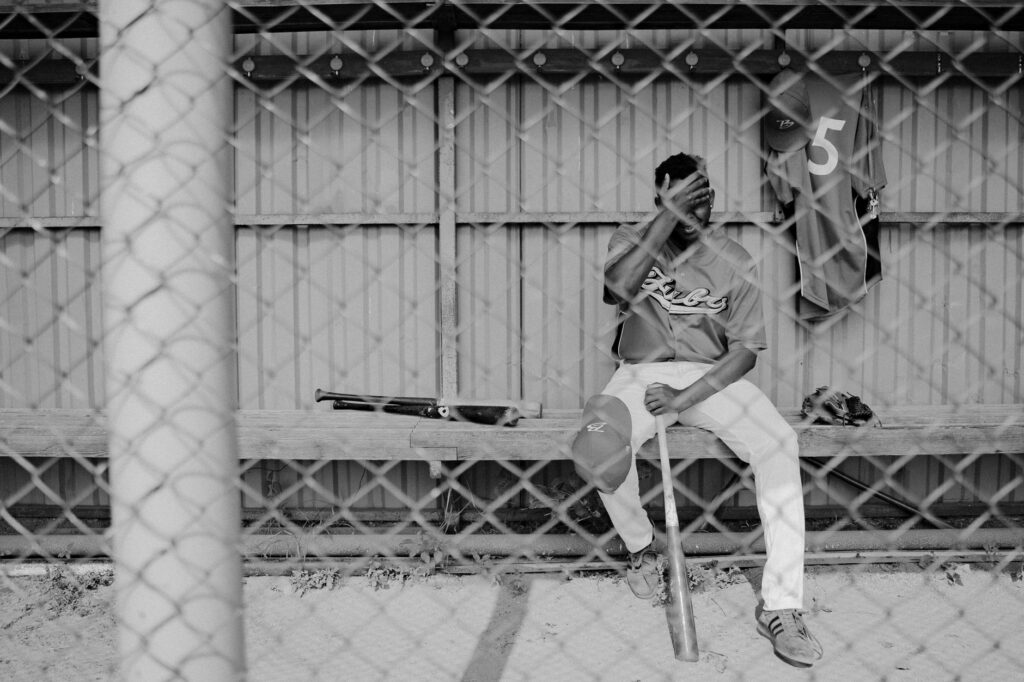

The New York Mets plummeted to a historic low on Sunday, entering the All-Star break with a dismal 40-57 record after a heartbreaking 3-2, 10-inning loss to the Boston Red Sox at Fenway Park. The defeat, sealed by a costly late-game defensive error, leaves the high-profile franchise 17 games under .500 and cements their worst first-half performance in 31 years. Despite entering the season with lofty expectations and a substantial payroll, a combination of roster turnover, a relentless injury epidemic, and underperforming stars has derailed the team’s campaign.
A Historic Slide Under New Leadership
The Mets have not found themselves 17 games under .500 at the All-Star break since 1995, a season shortened and delayed by the Major League Baseball players’ strike. In terms of a standard, full-length season, one must look back to 1993 to find a comparable collapse, when the team started 27-60 on their way to a miserable 103-loss finish. The current slide has frustrated a fan base that expected a competitive roster capable of contending for the postseason.
Interim manager Andy Green, who took over for Carlos Mendoza on June 26, has struggled to right the ship, posting a 6-10 record since assuming the role. “I think everybody understands what needs to happen going into the second half,” Green said following Sunday’s loss. “There’s cleaner, better baseball for us to play. We all bear a measure of responsibility for it. This organization, the fan base, deserve better baseball.”
The Cost of Roster Realignment
The franchise’s current predicament follows a highly scrutinized offseason strategy orchestrated by President of Baseball Operations David Stearns. Stearns prioritized run prevention and offensive resourcefulness, a plan that involved trading core pieces Brandon Nimmo and Jeff McNeil, while allowing franchise home run leader Pete Alonso and elite closer Edwin Du00edaz to depart in free agency. This aggressive restructuring was intended to build a more sustainable roster, but the immediate results have fallen short.
Without its established stars, the Mets’ offense has struggled to find consistency, currently ranking 12th in the National League with just 398 runs scored. The team has rarely been able to field its optimal lineup, leaving the offense disjointed and unable to sustain rallies during critical high-leverage moments.
An Unprecedented Injury Epidemic
The transition under Stearns has been severely hampered by an unprecedented wave of injuries to key players. Opening day starters Francisco Lindor, Francisco Alvarez, Jorge Polanco, Marcus Semien, and Luis Robert Jr. have combined to miss a staggering 259 games this season, forcing the coaching staff to constantly shuffle the lineup card.
Even the bright spots have suffered setbacks. Juan Soto, the Mets’ lone All-Star representative, missed 15 games in April due to a left quadriceps strain. Meanwhile, third baseman Bo Bichette, signed to a major deal in January to anchor the infield, is batting just .255u201439 percentage points below his career average entering the year. Bichette started the first 94 games of the season but was reduced to pinch-hitting duties over the weekend due to sore legs.
Pitching Regression and Defensive Miscues
The Mets’ pitching staff has also taken a significant step backward, posting a collective 4.27 ERA compared to last season’s 4.03 mark. Newly acquired starter Freddy Peralta, brought in from Milwaukee to lead the rotation, has struggled to a career-worst 4.66 ERA. The bullpen has fared no better, exemplified by reliever Devin Williams, who blew his second save in a week on Sunday and watched his season ERA climb to 4.83. “It hasnu2019t been a lot of fun,” Williams admitted. “Not a lot of celebrating going on in this clubhouse right now.”
Sunday’s loss encapsulated these defensive and pitching struggles, spoiling a stellar seven scoreless innings from rookie pitcher Zach Thornton. The game slipped away in the 10th inning when shortstop Francisco Lindor misplayed a potential game-ending double-play grounder, opening the door for Boston’s walk-off comeback. Lindor’s defensive lapse overshadowed his two RBIs on the day, which marked only his second multi-hit performance since returning from the injured list.
Uphill Battle in the Second Half
Currently sitting 12 games back from the final National League wild-card spot, the Mets face an incredibly steep mountain to climb if they hope to salvage their season. Lindor, who is batting a disappointing .216 with a .671 OPS through 40 games, did not mince words regarding the team’s performance, labeling the current situation “unacceptable.”
“Just encourages us to continue to fight,” Lindor said. “At the end of the day, thatu2019s the only thing we can do. Weu2019re going to try to be better. Weu2019re going to play as hard as we can in the second half and hopefully we put ourselves in a much better position because right now, itu2019s not where we want to be.”
The path forward offers no immediate relief for the struggling squad. The Mets are scheduled to open the second half of the season with 19 consecutive games against opponents currently holding playoff positions, a grueling stretch that will likely determine whether management decides to trade away remaining assets at the upcoming deadline or attempt an improbable late-season surge.