

Strategic Team Adjustments Shape Latest International Fixture
International cricket is constantly evolving, requiring teams to adapt to sudden personnel changes, tactical shifts, and fitness requirements. In a recent high-profile fixture, both squads announced significant modifications to their playing XIs, setting the stage for an intriguing contest. Selection committees faced unique circumstances leading up to the toss, resulting in a combination of tactical rests, personal absences, and historic milestones.
South Africa Shake Up the Lineup
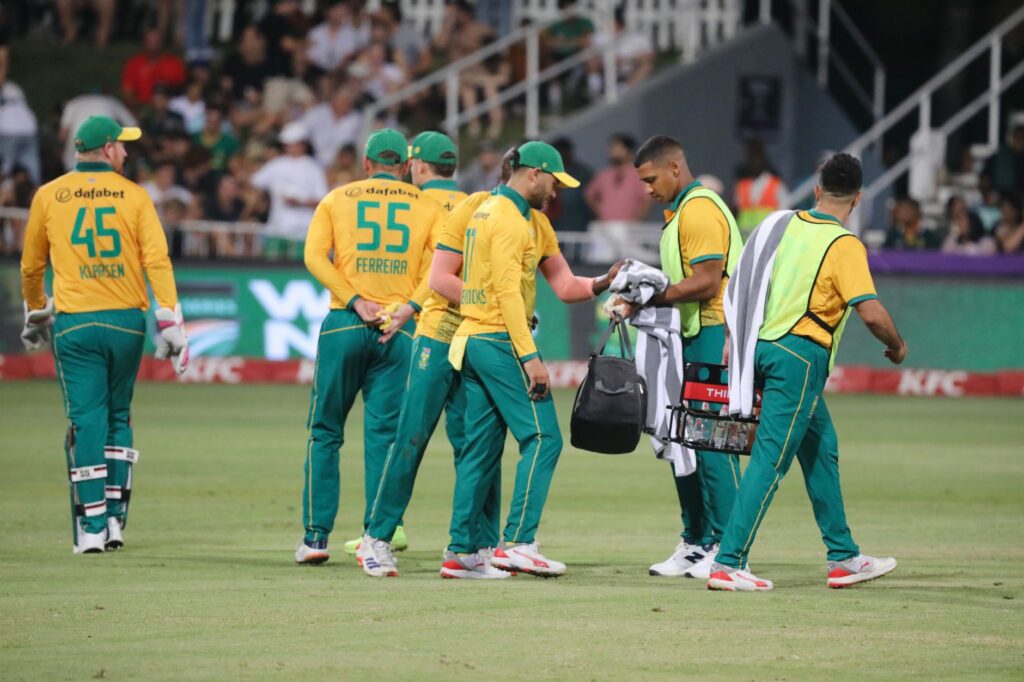
The South African camp entered the fixture facing several forced and tactical alterations, ultimately making four distinct changes to their starting side. Among the notable adjustments, Ryan Rickelton was unavailable for selection due to personal reasons, prompting the team management to look elsewhere for top-order stability and wicketkeeping or batting options. Filling the void at the leadership level, Aiden Markram made a highly anticipated return to the side, resuming his vital role and bringing valuable experience back to the dressing room.
Historic Milestone for the Jansen Family
Beyond tactical tweaks, the match marked a monumental occasion for South African cricket history. For the first time in an international fixture, the Jansen twins played together on the same team. This rare family milestone added significant emotional and inspirational value to the squad as they prepared to take the field against formidable opponents. The inclusion of both brothers highlights the growing depth and exciting talent emerging within the national setup.
Australia Opt to Bowl Without Star Pacers
On the opposing side, Australia made strategic decisions regarding their bowling attack, electing to field first upon winning the toss. The tactical approach was heavily influenced by workload management and player availability. Notably, Mitchell Starc was given a period of rest to manage his physical fatigue, a standard practice in modern international schedules filled with relentless fixtures.
Compounding the pace attack alterations, Pat Cummins remained unavailable for selection, leaving the Australian bowling unit without two of its most experienced spearheads. Despite the absence of these premier fast bowlers, the team management expressed confidence in the depth of their squad, relying on alternative bowling options to exploit early conditions after sending the opposition in to bat.
Looking Ahead at the Match Dynamics
With both teams showcasing altered lineups, the fixture offered an intriguing battle of depth and adaptability. South Africa needed to quickly integrate their returning skipper and manage the absence of Rickelton, while Australia relied on their remaining bowling attack to apply early pressure. As international cricket continues to demand resilience from extended squads, performances in matches like this underline the importance of fringe players stepping up when senior stars are rested or unavailable.