
The Shift in Formula 1 Competitiveness
Formula 1 has entered a phase of intense technical development where standing still means moving backward. For Scuderia Ferrari, the current campaign has presented severe challenges on the track. Drivers and engineers alike have had to confront difficult truths regarding their machinery and overall package performance compared to the rest of the grid.
Recent Grand Prix weekends have underscored these difficulties, highlighting how rapidly the competitive order can shift over the course of a single season. The Italian outfit now faces an uphill battle to regain its footing among the front-runners.
Leclerc Assesses the Competition
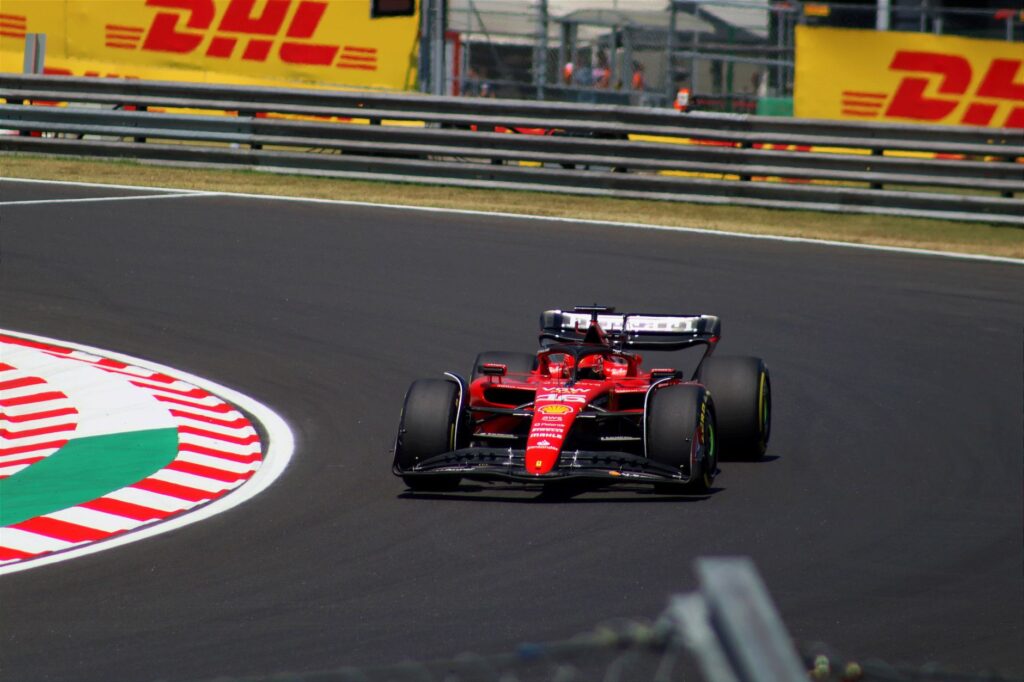
Charles Leclerc has addressed the team current standing with notable candor. According to the Monegasque driver, the squad can no longer claim to possess the finest chassis on the Formula 1 grid. This acknowledgment marks a significant shift in perspective from earlier in the racing calendar when aerodynamic and mechanical advantages were more pronounced.
Competitors have not stood idle while Ferrari worked to find solutions. Rival constructors have introduced substantial upgrades that have yielded impressive lap time gains. Leclerc pointed out that these opposing teams have taken major strides forward in vehicle development, leaving the historic team fighting to close a widening performance gap.
Technical Adjustments and Upgraded Power Units
In an effort to counter the surging performance of their adversaries, the engineering team has pushed forward with technical interventions. At the recent Azerbaijan Grand Prix, Leclerc utilized the latest iteration of the power unit package provided by the Maranello factory.
While introducing fresh hardware represents a normal part of the development cycle, the pressure to extract performance has intensified significantly. Engineers continue to analyze telemetry data to understand how to optimize the deployment of the upgraded engine across different circuit layouts.
The Pursuit of Stability and Podiums
The ongoing technical struggle has manifested clearly in the race results. The event in Baku marked a milestone of concern for the squad, representing the fifth consecutive race weekend without securing a single appearance on the podium.
For a team with such a storied heritage, this drought demands immediate and effective countermeasures. The focus has shifted entirely toward finding stability in the handling of the car, allowing drivers to push the limits with confidence during qualifying sessions and Grand Prix stints.
Looking Ahead to Future Development
As the championship moves into its final stretch, the objective remains centered on reversing the current trend. Factory teams operate in a relentless environment where feedback from drivers like Leclerc drives the development direction for upcoming aerodynamic packages.
The challenge for the remainder of the year involves maximizing the potential of the existing car architecture while simultaneously laying a strong foundation for future machinery. Addressing the chassis deficiencies will require precise engineering choices and a clear understanding of where competitors have found their recent performance advantages.