
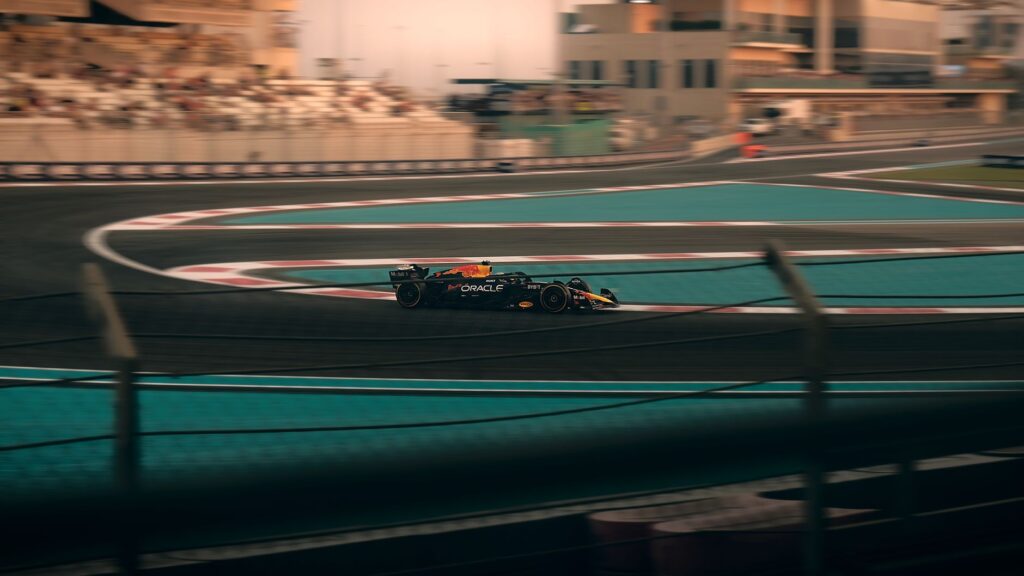

Formula 1 is known for putting on a global spectacle, but the upcoming racing weekend features a truly unique geographical quirk. Motorsport enthusiasts are looking forward to a grand prix that serves as the rescheduled Bahrain event, yet the engines will not roar to life in the Middle East. Instead, the competing teams and drivers have traveled thousands of miles away to Southeast Asia. The prestigious Sepang International Circuit in Kuala Lumpur, Malaysia, has been selected to host this extraordinary replacement round of the championship.
Understanding the Calendar Shift
To grasp why this particular event has been moved to a completely different continent, one must look at the logistical challenges that modern Formula 1 faces. The global motorsport calendar is tightly packed, demanding immense coordination to transport cars, equipment, personnel, and infrastructure from one country to the next. When unforeseen scheduling hurdles or regional complications arise, the sport’s governing bodies are forced to make rapid adjustments to ensure the championship maintains its intended number of competitive rounds.
Finding a suitable alternative venue on short notice is no small feat. A replacement track must meet stringent safety certifications, hold the appropriate racing grades required by the governing body, and possess the necessary facility capacity to handle the massive influx of international media, teams, and fans. Furthermore, the commercial and broadcasting commitments of the global series mean that time zones and television time slots must also be carefully considered before any final decisions are locked in.
Why Sepang Was Chosen
Malaysia’s premier motorsport facility emerged as an ideal candidate to step in when the original venue became unavailable. The Sepang International Circuit has a rich and storied history within top-tier motorsport. For many years, it was a beloved staple of the annual global racing calendar, renowned for its challenging layout, wide overtaking opportunities, and unpredictable tropical weather conditions that frequently mixed up the competitive order.
Even though the circuit no longer hosts its own dedicated annual round on the primary championship schedule, the infrastructure remains world-class and fully operational. Track management and local authorities possess the deep expertise required to manage massive international sporting events efficiently. This readiness made Sepang a reliable and cost-effective choice for organizers seeking a professional venue capable of stepping into the breach on relatively short notice.
Logistical Realities of the Move
Relocating a major sporting event over a distance of four thousand miles is an immense logistical undertaking for every single team involved. Freight must be swiftly redirected, air cargo schedules must be rewritten, and personnel must adapt to rapid changes in travel itineraries. Team strategists and engineers also have to quickly pivot their preparation methods, shifting their focus from the desert characteristics of the Middle Eastern venue to the humid, high-temperature environment typical of the Southeast Asian circuit.
Tyre degradation and engine cooling become critical factors when racing in the intense heat and humidity of Kuala Lumpur. Teams that can adapt their aerodynamic packages and mechanical setups the quickest will hold a distinct advantage over their rivals. While the event carries the historical designation of the Bahrain race, the on-track reality will be entirely defined by the unique demands of the Sepang asphalt.
A Memorable Chapter for Fans
For motorsport fans around the world, this unusual arrangement adds an extra layer of excitement and unpredictability to the championship battle. Seeing a classic venue step back into the spotlight, even temporarily, offers a nostalgic nod to the past while solving a very modern logistical puzzle. As the lights go out in Kuala Lumpur, the drivers will battle not just for championship points, but through a truly unprecedented scenario in the history of the sport.