
Background of the Demonstration
During a recent international fixture, political activism made its way directly onto the soccer pitch. The Republic of Ireland national team was playing a match against Austria on a Thursday evening when the action was temporarily halted. A group of demonstrators chose this high-profile platform to voice their strong opposition to upcoming fixtures.
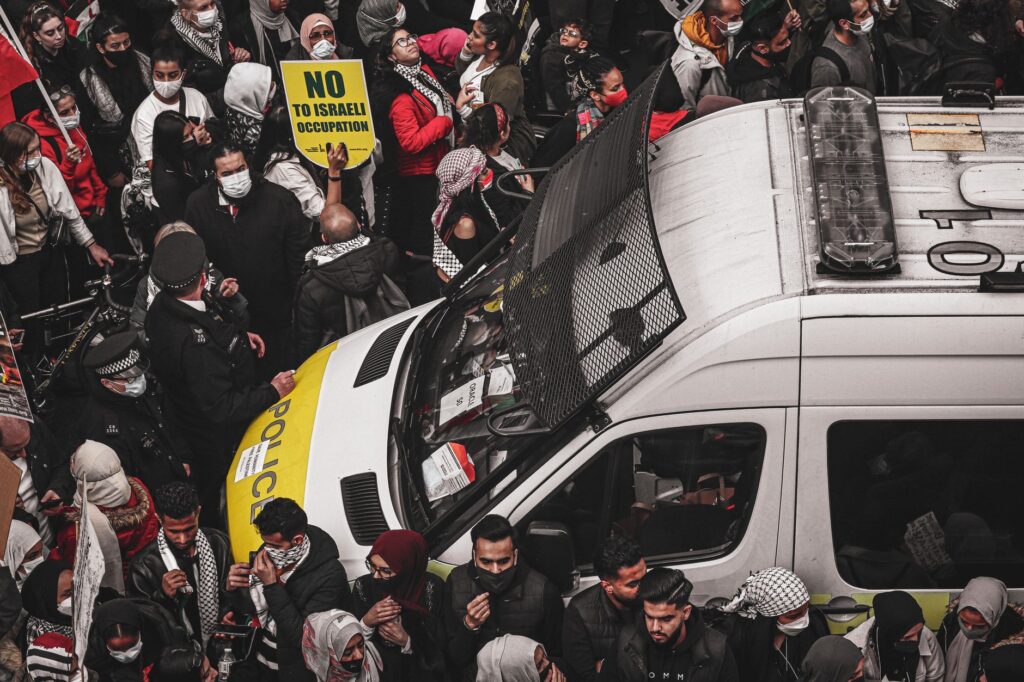
The core of the protest centered on the Republic of Ireland’s scheduled Nations League matches against the Israeli national team. Activists organized a coordinated demonstration to demand a complete sporting boycott, urging football authorities and the national squad to refuse participation in the upcoming games against Israel.
Disruption During the Austria Match
As the game against Austria progressed, the demonstration unfolded on the field. Activists seated in the stands hurled numerous tennis balls onto the playing surface. This traditional form of sporting protest forced officials to pause the match temporarily while stadium personnel worked to clear the objects from the grass.
The interruption drew the immediate attention of spectators inside the stadium as well as television audiences worldwide. Security personnel and match officials acted swiftly to address the disruption, ensuring that the players remained safe and that the fixture could resume after a brief delay. However, the visual impact of the tennis balls covering the pitch successfully delivered the demonstrators’ message to a massive global audience.
Growing Sporting and Political Tensions
The demonstration highlights the increasing intersection of international politics and athletic competitions. As conflicts continue to generate intense debate globally, sports organizations face mounting pressure from various activist groups regarding tournament participation and fixture scheduling.
Calls for boycotts in international soccer are relatively rare but carry significant weight when they manifest during live broadcasts. The recent action during the fixture against Austria demonstrates that public sentiment surrounding the upcoming Nations League matches remains deeply divided and passionate. Football associations and governing bodies now navigate a complex landscape where athletic events frequently serve as focal points for broader geopolitical expressions.
Looking Ahead at the Nations League Fixtures
With the scheduled matches against Israel approaching, the recent demonstration on Thursday signals that further activism and public scrutiny are likely. Fans, players, and administrators alike continue to monitor the situation closely as the sporting calendar moves forward.
While the immediate focus remains on athletic performance and tournament standings, off-pitch controversies continue to cast a shadow over the fixtures. The protest in the match against Austria ensures that the debate surrounding the boycott will remain a prominent talking point in international sports media for the foreseeable future.