
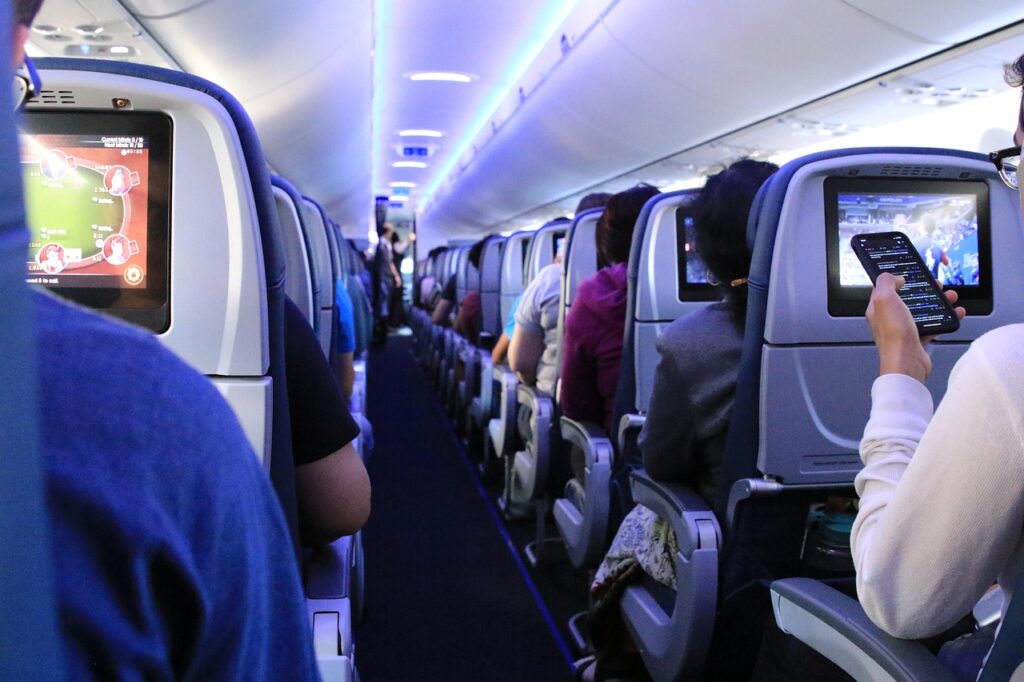

On Wednesday, a humble orange traffic cone from Glasgow, Scotland, arrived at Boston Logan International Airport in a first-class passenger seat, launching a high-profile international charity campaign. Dubbed the “Boston Cone,” the plastic mascot received a grand welcome from a traditional Scottish bagpiper, British diplomats, Massachusetts Governor Maura Healey, and Boston Mayor Michelle Wu. This unconventional transatlantic journey aims to raise vital funds and awareness for global mental health initiatives.
The Glasgow Connection: From Street Prank to Global Ambassador
To understand the significance of the “Boston Cone,” one must look to the streets of Glasgow, where the traffic cone has long transcended its industrial purpose. For over four decades, local residents have routinely scaled the equestrian statue of the Duke of Wellington outside the Gallery of Modern Art to place a traffic cone on the military leader’s head. Despite initial opposition from city officials, the image of the coned duke eventually became an official symbol of Glasgow’s resilient humor, defiance, and community spirit.
Scottish sports fans traveling abroad have frequently adopted the cone as a traveling mascot, bringing a piece of their hometown identity to stadiums worldwide. Organizers of the Boston trip decided to leverage this cultural phenomenon for a greater social cause. By sending the cone to Boston, a city with deep historical and cultural ties to the British Isles, they hoped to foster international goodwill while addressing a pressing global crisis.
A First-Class Journey for Mental Health Advocacy
The logistics of the trip were treated with both humor and meticulous care, capturing the attention of social media users worldwide. Airline staff at Glasgow Airport secured the orange cone into a premium first-class seat, complete with its own boarding pass. Throughout the transatlantic flight, cabin crew treated the plastic passenger as an honored guest, documenting the journey to the delight of thousands of online followers.
Upon landing in Boston, the reception resembled a state visit rather than a charitable stunt. Dignitaries gathered at the terminal as a bagpiper in full ceremonial regalia played traditional Scottish tunes. “It sounds absurd, but it means love, community, and support,” said Alistair Campbell, one of the Scottish organizers who accompanied the cone. “We wanted to do something so ridiculous that people couldn’t help but stop, smile, and then talk about the serious issues we are trying to fundraise for.”
Breaking the Stigma Through Whimsical Philanthropy
Mental health organizations have lauded the initiative for its innovative approach to public engagement. Traditional fundraising campaigns often struggle to capture public attention in an increasingly crowded media landscape. According to the World Health Organization, depression and anxiety disorders cost the global economy an estimated $1 trillion annually in lost productivity, yet funding for mental health awareness remains critically low in many regions.
“Humor is an incredibly powerful tool for destigmatizing mental health discussions,” said Dr. Helen Vance, a clinical psychologist specializing in community outreach campaigns. “When people are presented with something whimsical and joyful, their natural defenses go down. This opens up a psychological space where they are far more receptive to serious conversations about vulnerability, anxiety, and depression.”
The funds raised during the Boston Cone’s tour will be split between Scottish and American mental health charities. These organizations focus on providing accessible counseling, crisis hotlines, and community-based support networks for individuals struggling with psychological distress.
The Rising Trend of Fan-Led Activism
The success of the Boston Cone highlights a growing trend of sports fan groups utilizing their collective power for philanthropic efforts. In recent years, fan clubs across various sports have transitioned from simple social groups into highly organized fundraising machines. By tapping into existing networks of loyalty and passion, these groups can mobilize resources quickly and efficiently.
Local authorities in Boston have embraced the initiative, seeing it as an opportunity to strengthen municipal ties with Scotland. Mayor Michelle Wu noted that the city’s famous Irish and Scottish heritage makes it the perfect American home for the Glasgow tradition. Local businesses have already pledged matching donations for every public appearance the cone makes during its week-long tour of the historic city.
What to Watch Next
As the Boston Cone begins its promotional tour across Massachusetts, organizers are already looking toward the future of this unique fundraising model. Observers will be watching to see if this viral stunt translates into sustained, long-term donor engagement for the designated mental health charities. If successful, organizers hope to expand the initiative into a multi-city global tour, sending coned ambassadors to other major international hubs to build a playful, global network of mental health support.