
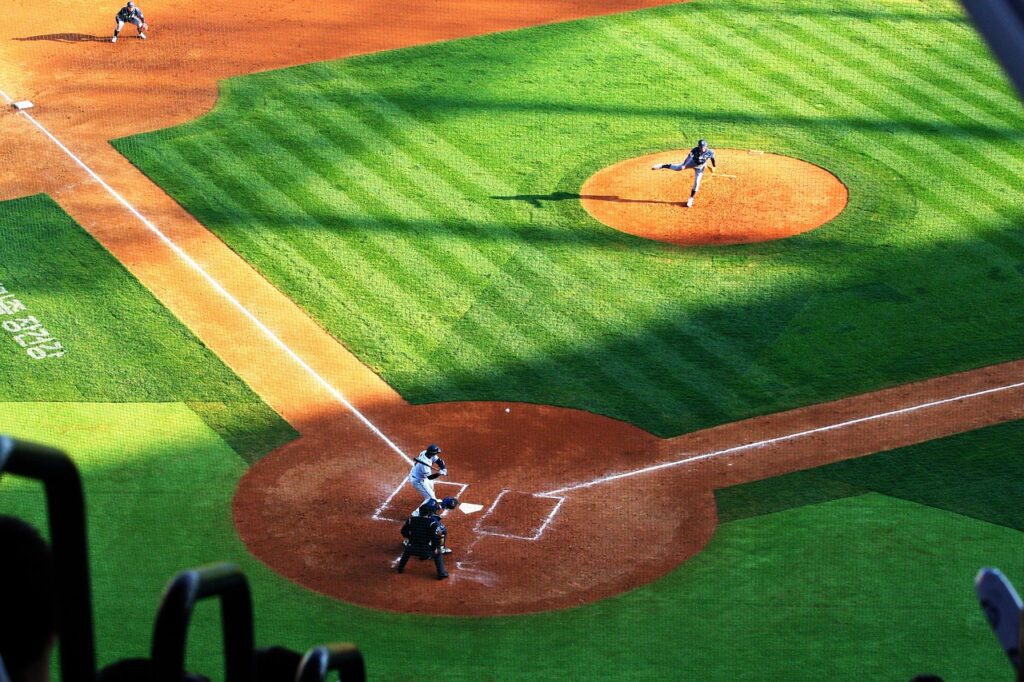

On Tuesday night at Citizens Bank Park in Philadelphia, the American League pitching staff delivered a historic masterclass, combining for a three-hit, 4-0 shutout victory over the National League at the Major League Baseball All-Star Game. Led by starter Dylan Cease and an elite parade of 10 relief pitchers, the American League secured its first Midsummer Classic shutout since 2013, stifling the National League’s most potent hitters in front of a sold-out crowd of baseball enthusiasts.
The Historical Rarity of the All-Star Shutout
Shutouts in modern All-Star Games are exceedingly rare. Because managers prioritize giving playing time to as many rostered players as possible, pitchers rarely throw more than one inning, and lineups change constantly. This rapid rotation makes it incredibly difficult for a pitching staff to establish a rhythm or for a catcher to call a cohesive game across nine innings.
The last time a league successfully held its opponent scoreless in the Midsummer Classic was in 2013, when the American League secured a 3-0 victory at Citi Field in New York. Prior to that, shutouts occurred only a handful of times in the game’s century-long history. The American League’s defensive clinic on Tuesday highlights the modern era’s unprecedented pitching depth and the strategic evolution of bullpen management.
Cease Sets the Tone in a Dominant First Inning
Dylan Cease set the tone for the historic night in the top of the first inning. Facing the National League’s top-tier batters, Cease struck out the side with a dazzling combination of high-velocity fastballs and sharp, biting sliders. His explosive start immediately energized the American League dugout and established a dominant defensive standard that would persist throughout the night.
The American League offense immediately capitalized on the momentum in the bottom of the first inning against National League starter Cristopher Sánchez, who was pitching in front of his home Philadelphia crowd. Cody Bellinger delivered the defining hit of the game, driving a sharp, two-run single into right field to open the scoring. Moments later, Ben Rice followed with an RBI single, quickly extending the lead to 3-0 and putting the National League on the defensive early.
A Ten-Pitcher Relay Shuts the Door
With a comfortable three-run lead, the American League bullpen executed a flawless relay. Over the next eight innings, ten different relievers took the mound, each tasked with keeping the National League’s superstar hitters off-balance. The constant rotation of pitching styles, arm angles, and velocities prevented the National League batters from adjusting or establishing any offensive rhythm.
The collective effort limited the National League to just three singles over nine innings. No National League runner advanced past second base, as the American League defense played error-free baseball behind their pitchers. The seamless coordination between the coaching staff, catchers, and the rotating bullpen showcased a level of execution rarely seen in exhibition showcases.
Bellinger Claims MVP Honors Amid Defensive Showcase
While the pitching staff made history, Cody Bellinger walked away with the All-Star Game Most Valuable Player award. His first-inning, two-run single proved to be the game-winning hit, providing all the run support the American League’s historic pitching performance would require. Bellinger’s poised plate appearance against Sánchez set a competitive tone for an American League squad determined to assert its dominance.
Statcast data from the broadcast underscored the physical dominance of the American League arms. The pitching staff averaged a staggering 97.4 mph on fastballs throughout the evening, with several relievers touching triple digits. This relentless velocity, combined with elite spin rates, left National League hitters with little room for error and frustrated their efforts to mount a comeback.
Implications for the Second Half of the Season
This historic shutout sends a clear message to the rest of Major League Baseball as teams prepare for the demanding second half of the regular season. The sheer depth of elite pitching talent showcased by the American League emphasizes the growing importance of constructing highly versatile, high-velocity bullpens. Front offices preparing for the upcoming trade deadline will likely place an even higher premium on acquiring impact relievers who can replicate this shut-down style of play.
As the pennant races heat up, managers across both leagues will undoubtedly look to the strategies employed in this All-Star Game, where short-stint pitching dominance neutralized some of the best offensive players in the world. Baseball analysts and fans will watch closely to see if this trend of pitching dominance continues to dictate the terms of the postseason chase, or if offenses can find a way to counter the historic velocity levels currently defining the modern game.