
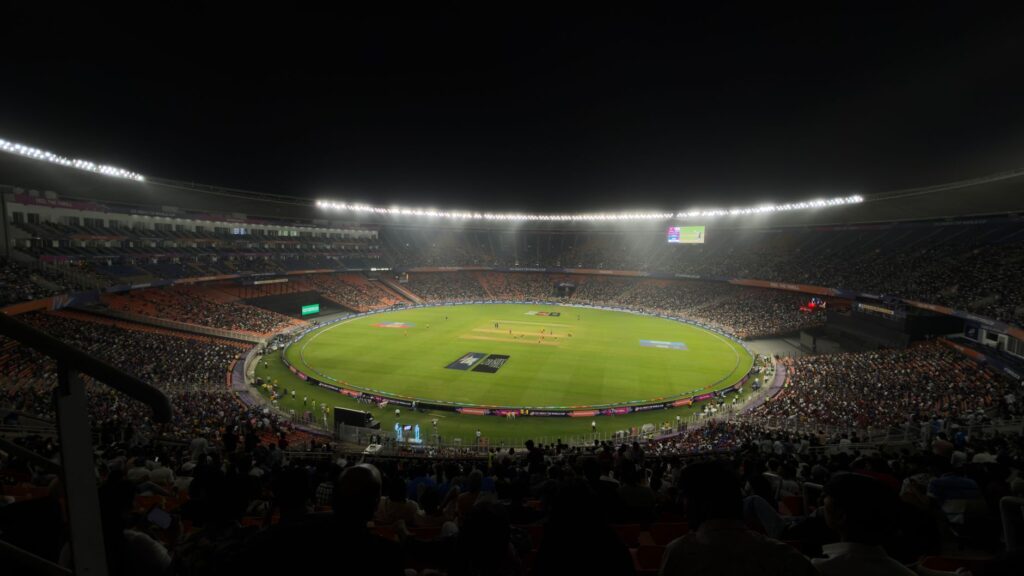

The landscape of franchise Twenty20 cricket is facing a significant scheduling hurdle as the Pakistan Super League appears poised to overlap with the Indian Premier League once again in the year 2027. This potential scheduling overlap stems from mounting commercial pressures and broadcasting revenue concerns that have complicated the traditional window for the Pakistan-based tournament.
Background on Media Rights and Revenue
Walee Technologies currently holds the exclusive media rights for the Pakistan Super League through the year 2029. However, the rights holder has expressed clear dissatisfaction with the current event window. The primary grievance centers around the financial limitations imposed by holding the tournament immediately after the conclusion of the holy month of Ramazan, which significantly restricts broadcasting revenue potential and limits overall commercial growth.
Financial Challenges in the Current Window
Broadcasting revenues heavily dictate the financial health of modern franchise cricket leagues. According to stakeholders, the period following Ramazan does not attract the level of viewership and advertiser engagement necessary to maximize profitability for media rights holders. Because commercial returns fall short of expectations during this specific timeframe, pressure has intensified to find a more lucrative slot in the global cricket calendar.
Implications of a Schedule Overlap
Moving the tournament to a different time of year to secure better financial returns almost guarantees a direct collision with the Indian Premier League. The Indian Premier League occupies a massive, immovable window during the spring months, commanding the global cricket market’s attention, top-tier international talent, and the lion’s share of sponsorship dollars. Competing directly with such a dominant fixture presents enormous challenges for player availability, global viewership division, and media attention.
Balancing Domestic Interests and Global Calendars
Cricket administrators face a delicate balancing act as they navigate the demands of commercial partners alongside international cricket obligations. While securing optimal broadcasting revenue is essential for the long-term sustainability and growth of the franchise league, avoiding direct conflicts with major global tournaments remains a logistical priority. As negotiations and schedule planning continue for the 2027 season, stakeholders must weigh the financial benefits of a revised window against the challenges of competing directly with the world’s most prominent T20 competition.