
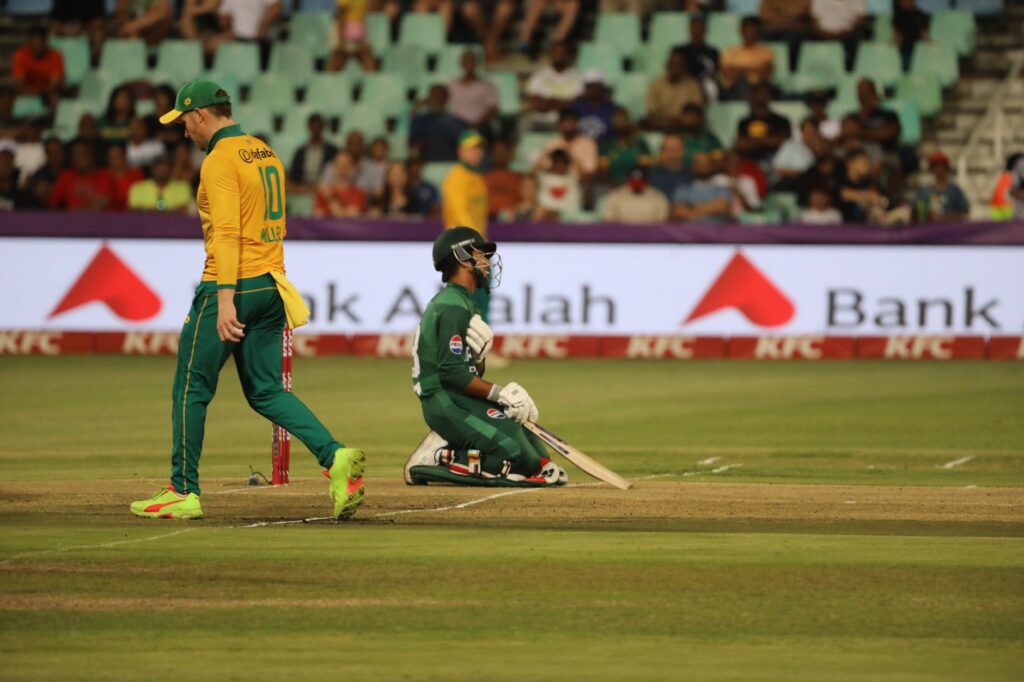

Netherlands opening batsman Max O’Dowd has publicly criticized the International Cricket Council (ICC) following its decision to alter the qualification pathway and tournament structure for the 2027 ODI World Cup. The outspoken critique highlights a deepening rift between cricket’s governing body and its Associate members, who argue the new format restricts their access to high-level international competition.
The Shift Away from the ODI Super League
To understand the players’ frustration, one must look at the recent structural changes in global cricket. The ICC previously utilized the ODI Super League, a competition framework that guaranteed Associate nations like the Netherlands bilateral series against top-tier Full Members between 2020 and 2023. This system allowed the Dutch team to host powerhouse nations, including England, the West Indies, and Pakistan, significantly boosting their competitive readiness.
However, the ICC chose to scrap the Super League ahead of the 2027 cycle, reverting to a system heavily reliant on historical rankings and regional qualifiers. This decision effectively ends the guaranteed bilateral series that allowed emerging nations to test themselves against the world’s best on a regular basis outside of major tournaments.
O’Dowd Speaks Out Against Systemic Barriers
O’Dowd took to social media to express his disbelief at the structural regression, questioning why the pathway to elite tournaments remains so volatile for developing cricket nations. The Dutch batsman pointed out the irony of expanding the final tournament to 14 teams while simultaneously reducing the avenues for non-test playing nations to prepare adequately in the years leading up to the event.
The Dutch batsman’s comments reflect a wider sentiment within the Associate cricket community, where players feel their hard work is consistently undermined by administrative shifts. Players argue that without regular matches against top-ten nations, qualifying for an expanded tournament becomes an uphill battle fought with minimal preparation and resources.
The ICC’s updated format for 2027 will feature 14 teams divided into two groups of seven, a format last seen in 2011 and 2015. While this expansion from the 10-team 2023 edition is ostensibly a win for global growth, the removal of the Super League means Associate nations must rely on the ICC Cricket World Cup League 2 and subsequent qualifiers to secure their spots, limiting their fixtures almost exclusively to other Associate sides.
A Proven Track Record Under Threat
Data from the 2023 ODI World Cup in India demonstrates the value of providing Associate nations with elite exposure. The Netherlands, the only non-Full Member to qualify, secured historic victories over South Africa and Bangladesh, proving they could compete at the highest level when given the opportunity.
Cricket analysts point out that these performances were a direct result of the three-year exposure gained during the ODI Super League. Dismantling the Super League, critics argue, effectively pulls the ladder up after Associate nations have shown they can climb it, stalling the development of teams that have proven their merit on the world stage.
Furthermore, the financial implications are severe for developing cricket boards. Without guaranteed home fixtures against major nations, boards like the Royal Dutch Cricket Association (KNCB) face reduced broadcast revenues and sponsorship opportunities, limiting their ability to fund grassroots development and professional contracts for their players.
Implications for the Global Game
The tension between the ICC’s commercial interests and its mandate to globalize the sport remains a central conflict. While the 14-team expansion ensures more representation at the main event, the lack of bilateral fixtures in the interim years threatens to widen the performance gap between elite and developing nations.
The 2027 World Cup, co-hosted by South Africa, Zimbabwe, and Namibia, promises to be a landmark event, but the road to get there remains fraught with administrative hurdles for associate nations. How these teams navigate the lack of high-profile fixtures will determine if the expanded tournament features truly competitive matches or a stark division in quality.
Observers will watch closely how the ICC addresses these structural inequities during its upcoming board meetings. The focus now shifts to the scheduling of the next World Cup League 2 cycle, where Associate nations must find alternative ways to secure competitive bilateral series without formal ICC backing, potentially through self-organized tri-series or bilateral agreements.