
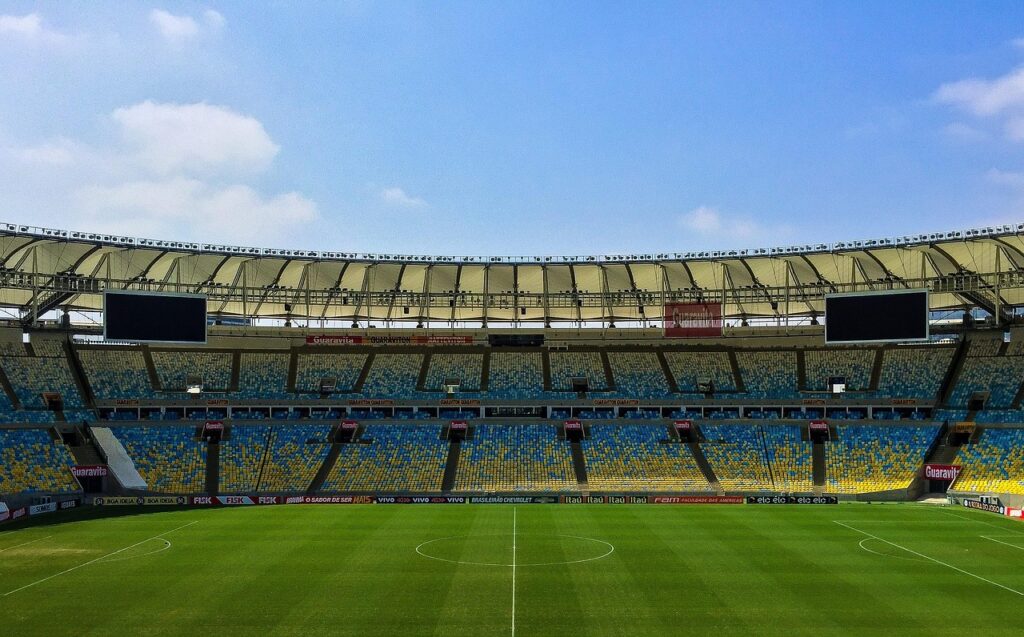

The French national team meets Norway today in a high-stakes Group I finale at the 2026 FIFA World Cup, where the winner will secure the top seed and a theoretically smoother path through the knockout stages. While French captain Kylian Mbappé is confirmed to lead the Les Bleus attack from the opening whistle, Norway manager Ståle Solbakken has stunned observers by naming Erling Haaland to the substitute bench as part of a radical tactical overhaul. The match, held at a sold-out venue in North America, serves as the final hurdle in a group stage that has seen both European powerhouses dominate their respective opponents.
France enters the fixture in the driver’s seat, requiring only a draw to maintain their position at the summit of Group I. Norway, currently trailing by two points, faces a "win or bust" scenario if they wish to avoid a potentially grueling Round of 32 matchup against a top-seeded opponent from Group J. The contrast in team selection has immediately become the primary talking point, as France opts for continuity while Norway gambles on a defensive-heavy lineup intended to frustrate the reigning vice-champions of the world.
Strategic Stakes and Group Standings
The 2026 World Cup’s expanded format has placed a premium on group placement, with top seeds gaining significant travel advantages and extra rest days between the initial rounds. France has been clinical throughout the tournament, securing victories in their first two matches with a combined goal difference of plus-five. Their midfield, anchored by emerging talents and veteran leadership, has provided the necessary service to Mbappé, who looks to add to his record-breaking World Cup goal tally.
Norway’s journey to this decider has been more turbulent, characterized by narrow victories and a reliance on high-pressing transitions. By choosing to bench Haaland, Solbakken appears to be prioritizing a "contain and counter" strategy, likely hoping to introduce the Manchester City striker in the second half when the French defense may be fatigued. This heavy rotation suggests Norway is wary of France’s ability to exploit gaps left by an aggressive attacking formation.
The Mbappé Factor and Norway’s Defensive Pivot
Kylian Mbappé remains the focal point of Didier Deschamps’ tactical setup, operating with a level of freedom that has terrorized Group I defenders thus far. French tactical analysts suggest that Deschamps is unlikely to alter his winning formula, utilizing Theo Hernandez and Ousmane Dembélé to stretch the Norwegian backline. The French side boasts a 92% pass completion rate in the final third during this tournament, a statistic that underscores their efficiency under pressure.
In response, Norway has transitioned to a five-man defensive block for this fixture. The inclusion of additional center-backs indicates a clear intent to nullify the space Mbappé thrives in. This tactical shift, however, places immense pressure on the Norwegian midfield to retain possession without their primary outlet up front. Without Haaland’s physical presence to hold up the ball, Norway will rely on the creative spark of Martin Ødegaard to navigate the transition from defense to attack.
Expert Perspectives on Team Selection
Football analysts have expressed divided opinions on Norway’s decision to bench the world’s most prolific striker in a must-win game. "It is a massive gamble to leave Haaland out of a World Cup decider," noted one former international coach. "However, if Norway can keep the score level until the 60th minute, bringing on a fresh Haaland against a tiring French defense could be the masterstroke of the tournament."
Data from FIFA’s performance tracking shows that France has struggled historically against low-block defenses that specialize in physical duels. By flooding the box, Norway aims to force France into wide areas and rely on aerial clearances. France, conversely, has shown a remarkable ability to adapt, with Antoine Griezmann often dropping deeper to act as a secondary playmaker when the primary attacking lanes are congested.
Implications for the Knockout Phase
The outcome of this match will dictate the logistical and competitive landscape for both nations over the next fortnight. A French victory would solidify their status as tournament favorites, potentially setting up a clash with a third-place qualifier. For Norway, a win would represent their greatest modern achievement on the world stage, signaling that their "Golden Generation" has finally arrived as a global force.
Should the match end in a draw, France will celebrate their group supremacy, while Norway will be forced to wait for other results to confirm their specific knockout opponent. The football world now watches to see if Solbakken’s tactical experiment will pay dividends or if France’s star-studded XI will prove too powerful for a Haaland-less Norway. The immediate focus remains on the first 45 minutes, where Norway’s defensive discipline will be tested by the most potent attack in international football.
Moving forward, the fitness of key players and the effectiveness of mid-game substitutions will be the critical metrics to monitor. As the match progresses, the inevitable introduction of Haaland will likely shift the momentum, creating a high-drama finale that could define the legacy of both teams in the 2026 World Cup.