

The Financial Landscape of Modern Football
In recent years, elite football clubs have engaged in unprecedented financial battles within the transfer market. Acquiring top-tier talent demands astronomical fees, massive wage structures, and intense global competition. For historic institutions striving to maintain domestic and European dominance, heavy spending has become an expected operational strategy rather than a luxury.
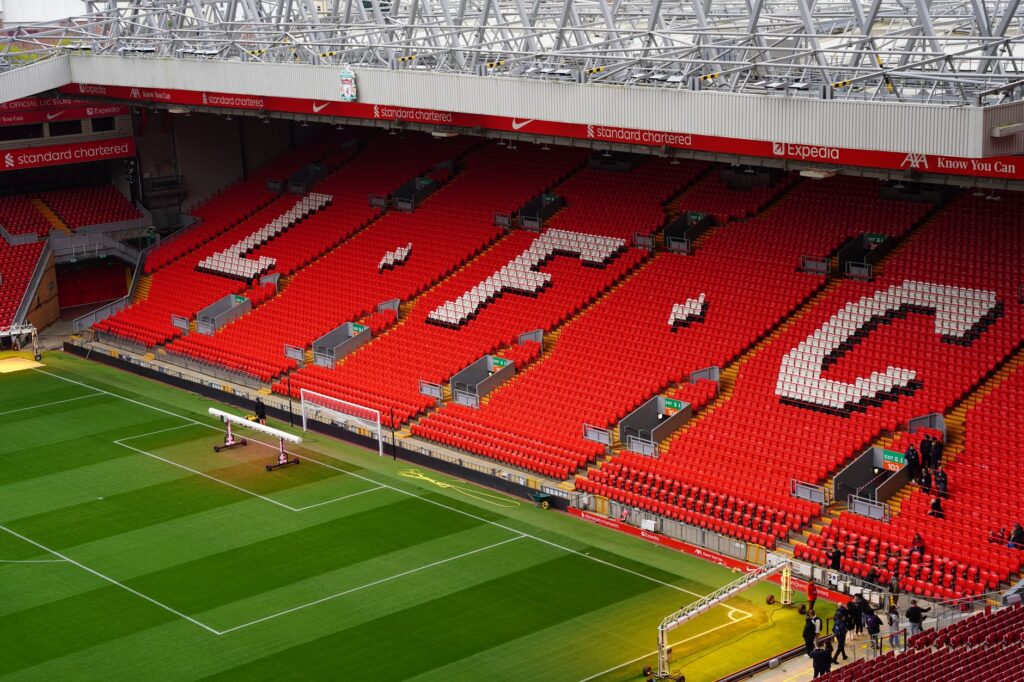
Liverpool Football Club has actively participated in this high-stakes environment, committing substantial financial resources during successive summer transfer windows. Supporters and analysts alike anticipated that these major capital outlays would immediately translate into sustained success on the pitch, securing trophies and cementing the squad status among the European elite.
Expectations Versus Reality
Despite the considerable financial investment poured into the squad, the tangible returns on the pitch have frequently fallen short of expectations. High-profile arrivals burdened with hefty price tags have often struggled to replicate the stellar form that initially attracted the attention of the recruitment department.
This recurring disconnect between financial outlay and sporting output has sparked widespread debate among fans and pundits. When multi-million-pound assets fail to deliver consistent performances, questions naturally arise regarding how player evaluations are conducted and how newly acquired talent is integrated into the existing tactical framework.
Analyzing Recruitment Strategy Pitfalls
Evaluating the root causes of these recurring recruitment difficulties requires a close look at the complex machinery behind player acquisition. Scouting departments operate under immense pressure to identify athletes who possess not only exceptional technical ability but also the psychological resilience required to handle the demands of a massive club.
When recruitment missteps occur, they rarely stem from a single oversight. Instead, a combination of factors often contributes to a signing failure. These can include misjudgments regarding how a player fits into a specific tactical system, difficulties in adapting to the intense physical and mental pace of domestic competition, or unforeseen disruptions in dressing room dynamics.
Tactical Integration and Adaptation
Acquiring a talented footballer is only the first step in a complex development process. Once a high-profile player arrives at a new club, seamless integration into the established tactical setup is paramount. If a manager has to drastically alter a winning formula to accommodate a new arrival, or if the player cannot grasp complex positional requirements, performance levels inevitably dip.
Furthermore, the psychological burden of a significant transfer fee cannot be understated. Athletes arriving for record sums often carry the weight of immense public scrutiny from day one. Without adequate time to settle into a new country, culture, and club environment, confidence can erode rapidly, leading to prolonged slumps in form.
Moving Forward in the Transfer Market
As the football landscape continues to evolve, clubs must continuously refine their recruitment models to minimize the risk of expensive transfer failures. Data analytics, extensive character profiling, and rigorous scouting protocols must work in absolute harmony with the vision of the coaching staff.
For leadership groups overseeing major sporting organizations, learning from past miscalculations is essential for future sustainability. By addressing the underlying causes of recruitment disconnects, clubs can hope to align heavy financial investments with the ultimate goal of consistent on-field success and silverware.