
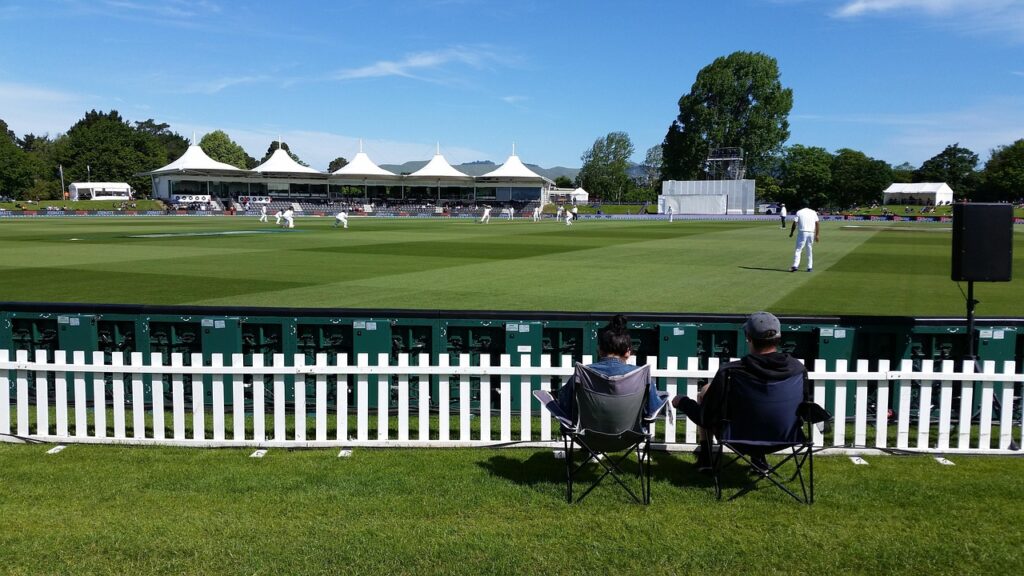

Former India head coach Ravi Shastri has sparked intense discussion across the cricketing world by revealing that captain Rohit Sharma held private, proactive discussions with national selectors regarding his international future. Speaking from the media box in Cardiff, Shastri clarified the circumstances surrounding Sharma’s shifting role in the shorter formats of the game, putting to rest months of rampant speculation. The revelation has shed light on how India’s team management is handling the delicate transition of its aging superstars.
The Cardiff Revelation and the Transition Phase
The future of India’s veteran stars has remained a polarizing topic since the national team began its gradual transition phase following recent ICC tournaments. With a wealth of younger talent knocking on the door, questions about the 37-year-old Sharma’s longevity, particularly in T20 Internationals, have dominated headlines. Shastri’s revelations offer a rare glimpse into the internal communication between India’s captain and the Board of Control for Cricket in India (BCCI) selection committee.
According to Shastri, the Cardiff media box was abuzz with speculation before he decided to clarify the facts of the situation. The former coach emphasized that the narrative of Sharma being phased out against his will is entirely inaccurate. Instead, the captain took the initiative to map out his own future, ensuring that his departure from specific formats would be orderly and beneficial for the squad.
Shastri Clarifies the Selectors’ Dialogue
According to Shastri, Sharma initiated the dialogue himself to ensure a smooth transition for the national team. “He had a word with selectors,” Shastri stated during the broadcast, emphasizing that the captain wanted to be entirely transparent about his workload management. This proactive approach allowed selectors to groom next-generation leaders without the friction often associated with dropping high-profile players.
For months, media reports had hinted at potential tension between senior players and the selection panel over strike rates, fitness, and the demands of modern T20 cricket. Shastri’s testimony reframes this narrative, presenting Sharma not as a player being forced out, but as a statesman actively participating in his own succession planning. This collaborative approach is unprecedented in Indian cricket history, where transitions have historically been fraught with controversy.
Balancing Workload and Youth Integration
Data from recent bilateral series highlights the deliberate nature of this tactical shift. Over the past eighteen months, selectors have blooded several young openers, including Yashasvi Jaiswal and Shubman Gill, who have excelled in the shortest format of the game. Analysts point out that while Sharma’s T20I strike rate remains highly competitive, prioritizing Test cricket and One-Day Internationals (ODIs) is vital for his physical longevity.
The physical toll of captaining India across all three formats, alongside the grueling schedule of the Indian Premier League (IPL), has forced a reevaluation of player management. Experts agree that by stepping back from the relentless T20 international calendar, Sharma can preserve his peak physical condition for high-stakes test series and major ICC tournaments.
Implications for India’s Cricket Strategy
This strategic retreat from T20Is allows Sharma to focus his remaining energies on high-stakes red-ball campaigns. India is currently pushing hard for a spot in the World Test Championship (WTC) final and preparing for upcoming major 50-over tournaments like the ICC Champions Trophy. By managing his appearances, Sharma aims to prolong his career as a specialist opening batsman and captain in the formats where his experience is most critical.
Moving forward, cricket enthusiasts and analysts will closely monitor how selectors balance Sharma’s workload during grueling away tours. The success of India’s transition policy will ultimately be judged by the performance of the younger squad in upcoming global events. All eyes now turn to the upcoming selection committee meetings, which will define the final chapter of Rohit Sharma’s illustrious international career.