







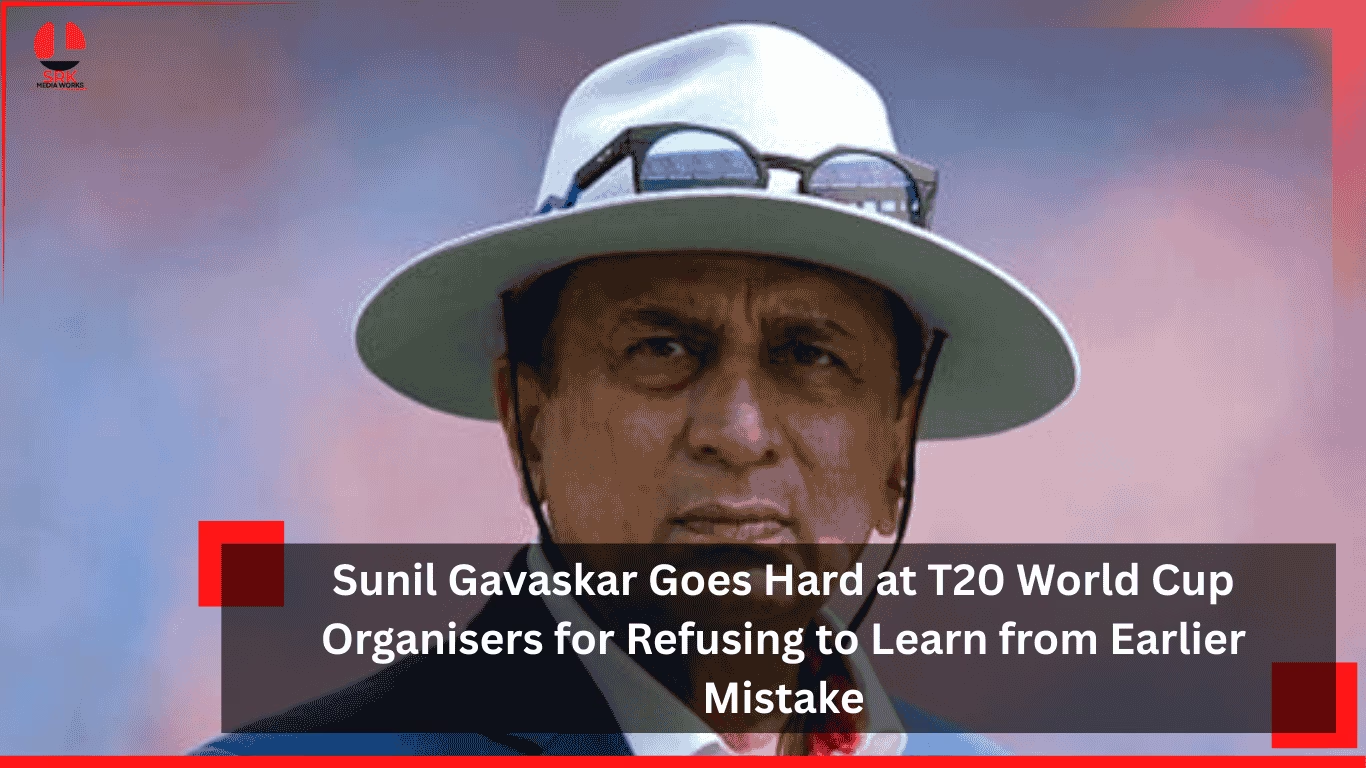
Legendary Indian cricketer Sunil Gavaskar has strongly criticized the organisers of the T20 World Cup, accusing them of “refusing to learn from earlier mistakes.” His remarks have reignited debates about tournament planning, scheduling, and the overall management of one of cricket’s biggest global events. Gavaskar’s comments reflect the frustration of players, fans, and experts who believe that repeated errors in organisation are undermining the credibility of the competition.
Background of Gavaskar’s Criticism
Sunil Gavaskar, widely respected for his cricketing insights, has often spoken candidly about issues affecting the sport. His latest criticism was directed at the organisers of the T20 World Cup, who he believes have failed to address problems that were evident in previous editions.
The issues reportedly include poor scheduling, inadequate facilities, and logistical challenges that affect both players and spectators. Gavaskar’s remarks highlight the need for accountability and reform in how major cricket tournaments are managed.
Key Issues Highlighted
- Scheduling Conflicts: Matches scheduled at inconvenient times, affecting viewership and player performance.
- Venue Management: Concerns about pitch quality, stadium facilities, and crowd control.
- Logistical Errors: Travel arrangements and accommodations for teams not up to international standards.
- Fan Experience: Ticketing problems, overcrowding, and lack of proper amenities for spectators.
Comparative Analysis of Organisational Challenges
| Tournament Edition | Key Mistake | Impact |
|---|---|---|
| T20 World Cup 2014 | Poor scheduling | Low viewership in some regions |
| T20 World Cup 2016 | Pitch controversies | Criticism from players |
| T20 World Cup 2021 | Bio-bubble mismanagement | Player fatigue |
| T20 World Cup 2026 | Repeated logistical errors | Gavaskar’s criticism |
This table shows how recurring issues have plagued multiple editions of the tournament.
Gavaskar’s Perspective
Gavaskar’s criticism is rooted in his belief that organisers must prioritize the integrity of the game and the experience of fans. He argued that despite repeated feedback from players and experts, the same mistakes continue to occur, suggesting a lack of accountability.
His remarks carry weight not only because of his stature as a cricketing legend but also because they echo the sentiments of many stakeholders in the sport.
Reactions from Cricketing Circles
- Players: Some current players have privately expressed agreement, noting that logistical issues affect their performance.
- Fans: Social media erupted with support for Gavaskar, with many sharing their own experiences of poor organisation.
- Organisers: Defended their efforts, claiming that unforeseen challenges often complicate planning.
- Analysts: Pointed out that Gavaskar’s criticism highlights the need for structural reforms in cricket administration.
Broader Implications
- Credibility of ICC Events: Repeated mistakes could damage the reputation of ICC tournaments.
- Player Welfare: Poor scheduling and logistics can lead to fatigue and injuries.
- Fan Engagement: Negative experiences may reduce attendance and viewership.
- Commercial Impact: Sponsors and broadcasters may demand higher standards of organisation.
Historical Context of Organisational Criticism
| Year | Tournament | Criticism | Outcome |
|---|---|---|---|
| 2007 | ODI World Cup | Lengthy format, poor scheduling | Format changed in later editions |
| 2016 | T20 World Cup | Pitch controversies | ICC promised reforms |
| 2021 | T20 World Cup | Bio-bubble fatigue | Calls for better player management |
| 2026 | T20 World Cup | Gavaskar’s criticism | Renewed debate on accountability |
This timeline shows that criticism of organisers is not new, but Gavaskar’s remarks have reignited the debate.
Expert Opinions
- Former Players: Agree with Gavaskar, stressing that organisers must listen to feedback.
- Cricket Analysts: Suggest that ICC should involve former players in planning committees.
- Fans: Demand better facilities and transparency in ticketing.
Conclusion
Sunil Gavaskar’s sharp criticism of the T20 World Cup organisers for “refusing to learn from earlier mistakes” has brought attention to recurring issues in tournament management. His remarks highlight the urgent need for reforms to ensure that players, fans, and stakeholders enjoy a world-class cricketing experience.
As one of the sport’s most respected voices, Gavaskar’s comments are likely to intensify pressure on organisers to improve standards and avoid repeating the same errors in future editions.
Disclaimer
This article is based on publicly available information and expert analysis. The details of Gavaskar’s remarks reflect his personal views and should be considered as commentary rather than definitive assessments of the organisers. Readers are advised to treat the content as informational and not as official statements from governing bodies.