
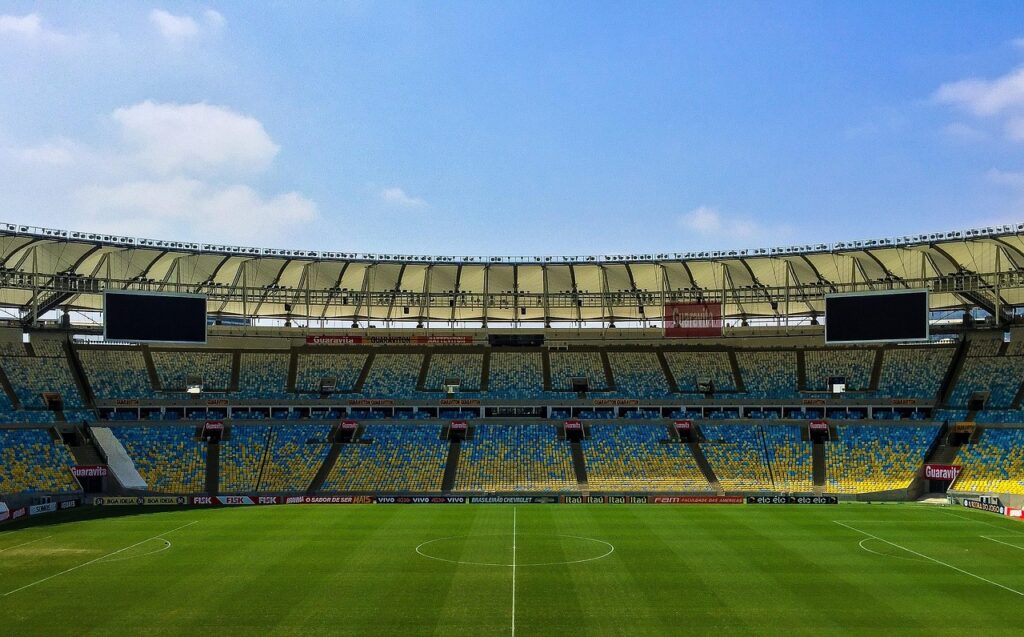

In the wake of their historic international triumphs, the Argentine national football team continues to captivate global audiences not just through individual brilliance, but through a deeply ingrained, resilient collective mindset. This ‘never-say-die’ spirit, visible on the world stage during recent tournament cycles, traces its origins directly to the intense, high-pressure environments of Argentina’s domestic league, known as the Cinco Grandes (Five Greats). Analysts and historians argue that this unique footballing culture prepares players for extreme adversity long before they wear the national jersey.
The Crucible of the Cinco Grandes
To understand Argentina’s relentless competitive edge, one must look to the domestic battlegrounds of Boca Juniors, River Plate, Racing Club, Independiente, and San Lorenzo. These five clubs represent the historical powerhouses of Argentine football, where matches are played under suffocating pressure from passionate fanbases and intense media scrutiny.
In these unforgiving cauldrons, young prospects are forced to develop emotional maturity and tactical adaptability at an early age. The survivalist nature of the Argentine Primera División acts as a screening process, filtering out those who cannot withstand hostile atmospheres.
Historically, these clubs have not just produced skilled dribblers, but fierce competitors. The daily pressure from local media and demanding supporters creates an environment where losing is treated as a crisis, forcing players to develop a thick skin early in their development.
Beyond the Messi Narrative
While global media often attributes Argentina’s modern success solely to the genius of Lionel Messi, tactical experts point to a deeper structural resilience. Data shows that Argentina consistently ranks among the highest in defensive duels won and recovery metrics during high-stakes tournament matches, illustrating a collective work ethic that supports their talisman.
‘The tactical discipline and emotional resilience of this squad are forged in adversity,’ says South American football analyst Alejandro Varallo. ‘When you grow up playing in El Monumental or La Bombonera, European stadium atmospheres feel manageable by comparison.’
This psychological fortitude was on full display during the 2022 World Cup in Qatar, where Argentina rebounded from a shocking opening defeat against Saudi Arabia to win the tournament. In multiple knockout matches, including the dramatic final against France, the team conceded late equalizers but refused to collapse, ultimately prevailing through sheer force of will.
A Culture of Tactical Pragmatism and Grit
Argentine football culture, historically divided between the aesthetic idealism of Menottismo and the pragmatic, win-at-all-costs philosophy of Bilardismo, has found a modern synthesis under manager Lionel Scaloni. This hybrid approach prioritizes collective sacrifice alongside technical expression.
Players like Rodrigo De Paul, Alexis Mac Allister, and Cristian Romero exemplify this gritty archetype. None of these players came through easy developmental pathways; instead, they fought through the physical demands of domestic leagues before transitioning to Europe, carrying the combativeness of Argentine football with them.
According to tactical data from Opta, Argentine players in European leagues commit higher-than-average tactical fouls and display superior recovery statistics in transition phases. This statistical reality underscores a cultural willingness to do the ‘dirty work’ required to secure victories.
The Role of the Hinchadas and Sociopolitical Context
In Argentina, football is deeply intertwined with social identity and community pride. The hinchadas (passionate fan groups) demand absolute commitment from their players, creating an environment where effort is valued as much as technical skill.
This cultural expectation means that players who show any sign of complacency are quickly called out by their own supporters. The resulting pressure cooker forces players to adopt a warrior-like mentality, viewing every match as a matter of personal and national honor.
The Future of the Albiceleste Identity
As the current golden generation transitions and Lionel Messi nears the end of his international career, the sustainability of Argentina’s football model faces its next major test. However, the continuous conveyor belt of talent emerging from the Cinco Grandes suggests the core identity will remain intact.
Football federations worldwide are now studying Argentina’s youth development structures to understand how to cultivate similar psychological resilience in their own players. The upcoming qualification cycles and continental tournaments will reveal whether this cultural grit can sustain Argentina’s dominance without its defining superstar, or if the domestic crucible will simply forge the next generation of unbreakable competitors.