




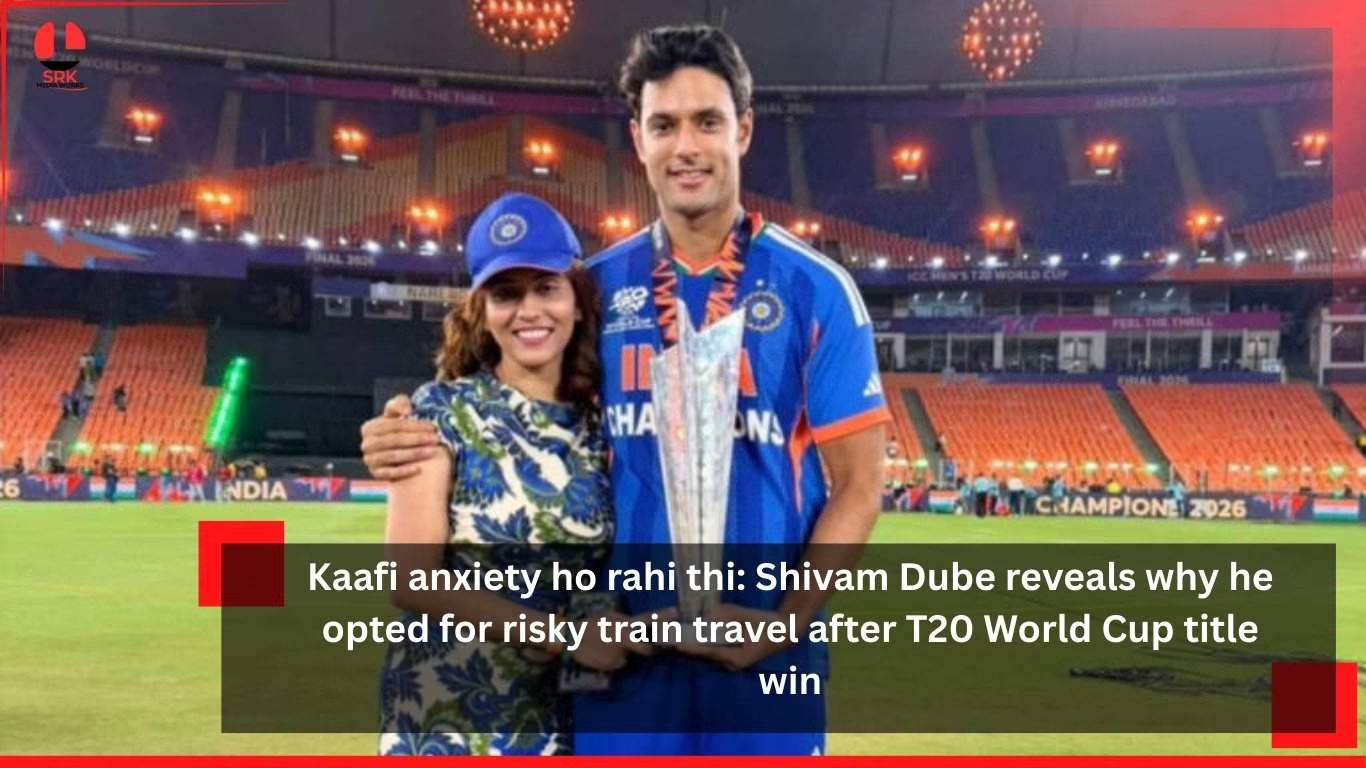
India’s T20 World Cup triumph brought immense joy to millions, but for all-rounder Shivam Dube, the celebrations were followed by a surprising choice—he opted for train travel instead of the usual secure flight arrangements. In a candid revelation, Dube admitted that he was experiencing “kaafi anxiety” after the high-pressure tournament and wanted to reconnect with normal life, even if it meant taking a risky journey.
Why Shivam Dube Chose Train Travel
Dube explained that after weeks of intense cricket, media glare, and constant security, he felt overwhelmed. His decision to travel by train was driven by:
- Mental Relief: Escaping the spotlight and experiencing everyday life.
- Connection with Fans: Meeting people directly without barriers.
- Grounded Lifestyle: Returning to simplicity after global fame.
- Personal Anxiety: Managing stress by choosing a familiar, humble mode of travel.
The Risks Involved
Train travel for a national sports hero comes with challenges:
- Crowd Management: Fans often gather in large numbers, creating security risks.
- Safety Concerns: Lack of controlled environments compared to flights.
- Media Attention: Increased visibility in public spaces.
- Fatigue: Long journeys can be physically draining after a demanding tournament.
Comparative Analysis of Travel Choices
| Aspect | Flight Travel | Train Travel |
|---|---|---|
| Security | High, controlled | Moderate, public exposure |
| Comfort | Faster, private | Longer, crowded |
| Fan Interaction | Limited | Direct, personal |
| Mental Relief | Less, due to restrictions | More, due to normalcy |
| Symbolism | Elite lifestyle | Grounded humility |
Pivot Analysis: Mental Health vs. Public Image
| Dimension | Mental Health Impact | Public Image Impact |
|---|---|---|
| Anxiety Management | Train travel reduces stress | Seen as humble and relatable |
| Media Pressure | Escape from spotlight | Positive coverage of simplicity |
| Fan Connection | Direct engagement boosts morale | Enhances popularity |
| Risk Factor | Exposure to crowds | Adds authenticity to persona |
| Long-Term Sustainability | Helps balance fame with normalcy | Builds stronger fan loyalty |
Broader Implications for Indian Cricket
Dube’s decision highlights important aspects of modern sports:
- Mental Health Awareness: Athletes face immense pressure and need coping mechanisms.
- Public Engagement: Fans value authenticity and humility in their heroes.
- Changing Narratives: Success is not just about trophies but also about personal well-being.
- Role Model Effect: Dube’s choice inspires conversations about balancing fame with simplicity.
Challenges for Athletes
- Managing fame while staying grounded.
- Ensuring personal safety during public interactions.
- Balancing professional commitments with mental health needs.
- Navigating media scrutiny over personal choices.
Future Outlook
Shivam Dube’s candid admission could pave the way for:
- Greater emphasis on mental health programs in Indian cricket.
- More athletes openly discussing stress and anxiety.
- Increased fan respect for players who remain humble despite success.
- A cultural shift where simplicity is celebrated alongside sporting excellence.
His journey reflects the evolving narrative of Indian cricket—where mental health, humility, and human connection are becoming as important as match-winning performances.
Disclaimer
This article is intended for informational purposes only. It highlights Shivam Dube’s personal revelation about his travel choice after the T20 World Cup. The content does not constitute medical advice, psychological guidance, or official cricket board statements. Readers should independently verify details before making personal or professional decisions.