
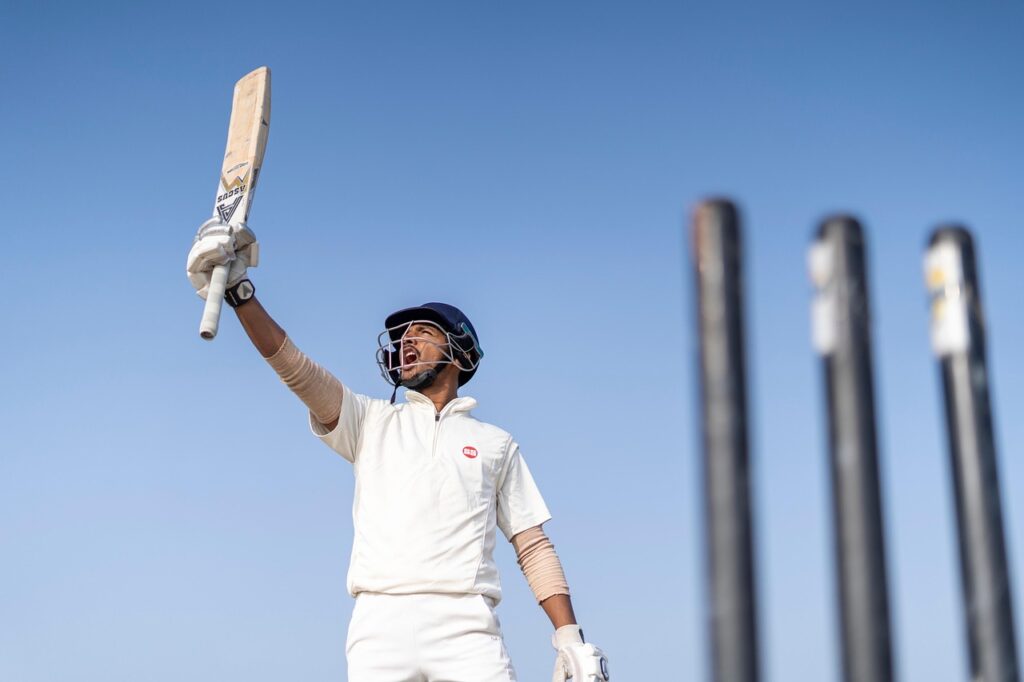

The Board of Control for Cricket in India (BCCI) and national selectors have initiated a definitive transition phase that excludes former captain Rohit Sharma from India’s future World Cup plans. This strategic pivot, solidified during recent selection meetings in Mumbai, marks the end of an era for one of cricket’s modern greats as selectors prioritize youth for the 2027 ICC Cricket World Cup cycle.
The decision underscores a growing consensus within the team management that India must build a younger, more agile squad to break its decade-long title drought in major 50-over tournaments. While Sharma remains an active player in other formats, his journey in ODI World Cups has officially reached its conclusion.
The Context of India’s Transition
For over a decade, Rohit Sharma has stood as a pillar of Indian batting, amassing over 10,000 runs in One Day Internationals (ODIs) and leading the nation to the finals of the 2023 World Cup on home soil. Following India’s T20 World Cup victory in Barbados earlier this year, Sharma announced his retirement from the shortest format, sparking immediate questions about his longevity in the 50-over game.
While his leadership and tactical acumen remain highly regarded, his age presents a significant hurdle. By the time the 2027 World Cup arrives in South Africa, Zimbabwe, and Namibia, Sharma will be 40 years old, a milestone that selectors view as incompatible with the physical demands of modern ODI cricket.
The Class Versus Form Dilemma
The debate surrounding Sharma’s exclusion centers on the classic sports dilemma of class versus form. Advocates for his retention argue that Sharma’s elite skill set, unparalleled experience, and big-match temperament cannot be easily replaced by inexperienced talent.
However, critics point to his recent inconsistency in international bilateral series. Relying on past achievements, they argue, hinders the development of emerging players who require extensive international exposure well ahead of the next global tournament.
Modern ODI cricket demands high-tempo fielding and aggressive batting from the very first ball. While Sharma pioneered a highly aggressive batting blueprint during the 2023 World Cup powerplays, maintaining that physical intensity over another four-year cycle is a challenge that statistics suggest is highly improbable.
Data and Expert Perspectives
Statistical analysis of aging top-order batsmen supports the selectors’ forward-looking approach. Historical data shows a sharp decline in batting averages and strike rates for opening batsmen after the age of 36, primarily due to slowing reflexes and increased susceptibility to soft-tissue injuries.
Former Indian selector Saba Karim recently noted that while Sharma’s contribution to Indian cricket is monumental, transition is an inevitable reality that every sporting powerhouse must eventually face. “You cannot build a team for 2027 with players who will be in their late thirties,” Karim stated. “The time to blood new talent is now, not one year before the tournament.”
The rise of young top-order batsmen like Yashasvi Jaiswal, Shubman Gill, and Ruturaj Gaikwad has intensified the pressure on selectors to move on. These young players have demonstrated exceptional strike rates and adaptability in domestic and international fixtures, making them the natural heirs to India’s top-order legacy.
Implications for Indian Cricket
This strategic shift carries massive implications for the structure of India’s top order and team leadership dynamics. Shubman Gill is widely tipped to take over the mantle as India’s long-term ODI anchor, a role that requires consistent run-scoring and tactical maturity.
Furthermore, the departure of a high-profile figure like Sharma shifts the dressing room culture. Younger players will now be forced to take ownership of high-pressure situations rather than relying on senior pros to anchor the innings.
For the industry and broadcasters, the departure of a crowd-puller like Sharma represents a marketing challenge. However, it also opens up opportunities to build new narratives around the next generation of Indian cricketing superstars who will carry the hopes of over a billion fans.
What to Watch Next
Looking ahead, the upcoming ICC Champions Trophy in 2025 will serve as the final litmus test for several veteran players in the squad. While Sharma may still feature in the immediate future to provide short-term stability, his role will transition from a long-term cornerstone to a mentor figure.
Cricket analysts and fans will closely monitor the upcoming bilateral home series to see how quickly the new-look top order gels under pressure. The success of this transition will ultimately dictate whether India can reclaim its status as the undisputed powerhouse of global cricket in the years to come.