
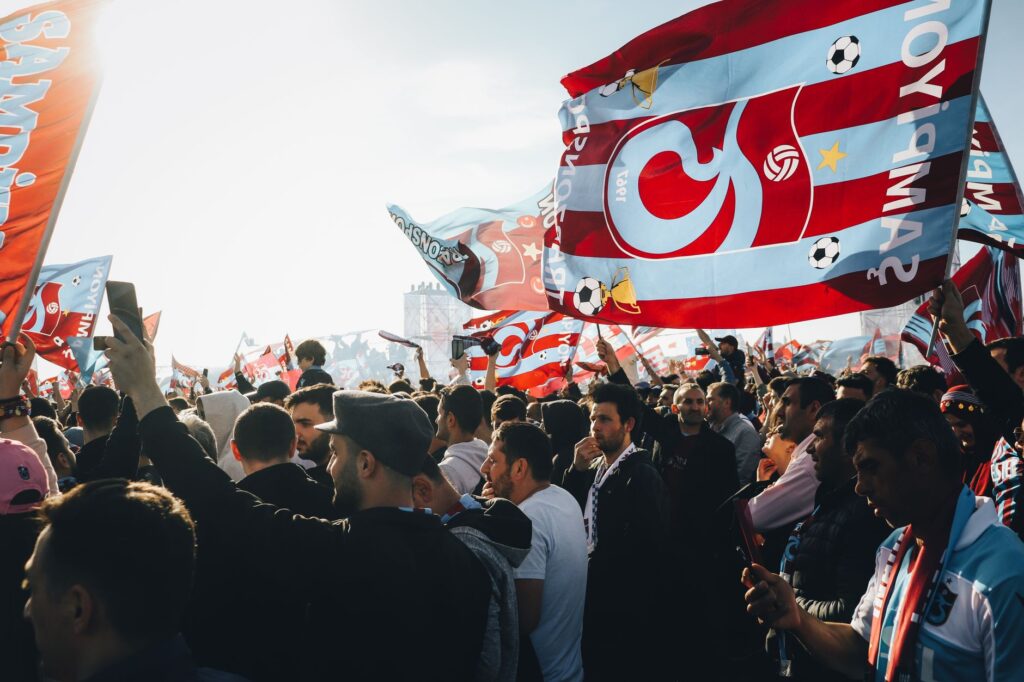

Supporter Protests in Soccer
Fans are the heartbeat of association football around the globe. Their passion drives the sport forward week after week, filling stadiums with noise, color, and unwavering loyalty. Yet, when supporters feel alienated, ignored, or deeply frustrated by club ownership and governing bodies, that same passion transforms into organized dissent. Throughout the decades, matchday demonstrations have evolved into a powerful language of their own.
Recent incidents, such as supporters hurling tennis balls onto the pitch during a Manchester United fixture, highlight a long-standing tradition. This specific tactic temporarily halts play, drawing immediate attention from television cameras, referees, and club executives. While disruptive, these actions rarely result in serious harm and serve primarily as a visual statement that cannot be ignored by those running the game.
Understanding Fan Discontent
To comprehend why supporters take such drastic measures, one must examine the growing disconnect between modern football clubs and their traditional base. Rising ticket prices, controversial ownership models, commercialization, and a perceived lack of consultation often ignite these flames. When dialogue between fans and management breaks down, stadiums become the ultimate stage to voice collective grievances.
Supporters invest immense emotional and financial capital into their teams. They travel across countries and continents, dedicating weekends and disposable income to follow their clubs. Consequently, when decisions are made that prioritize profit over tradition, the response is often swift and unified. Protests are rarely born overnight; they usually represent the boiling point of months or years of simmering frustration.
Creative Methods of Expression
Football fans have proven remarkably inventive when expressing their dissatisfaction. Beyond throwing objects onto the grass, supporters utilize a wide array of peaceful yet disruptive strategies. Silent protests, where sections of the stadium refuse to sing or chant for the opening minutes of a match, create an eerie and impactful atmosphere that highlights the emptiness of modern football without the fans.
Other common methods include mass walkouts at specific minute marks corresponding to ticket price hikes or historic club founding years. Supporters also deploy elaborate banner displays, distribute critical leaflets outside stadiums, and organize marches to the ground. In some extreme cases, fans have established entirely alternative clubs to reclaim the spirit of the game that they feel has been lost in the upper echelons of professional leagues.
The Impact on the Sport
These demonstrations of fan power frequently yield tangible results. Club boards and football associations are acutely aware of the reputational damage caused by widespread negative publicity. High-profile protests have successfully forced management teams to reverse unpopular ticket price increases, reconsider badge redesigns, and abandon contentious league structures.
Ultimately, the rich history of supporter protests demonstrates that football truly belongs to the people who fill the stands. While the methods may occasionally disrupt the flow of a ninety-minute match, they underline a fundamental truth of the sport. Without the passion, voice, and vigilance of the supporters, modern football loses its very soul.