
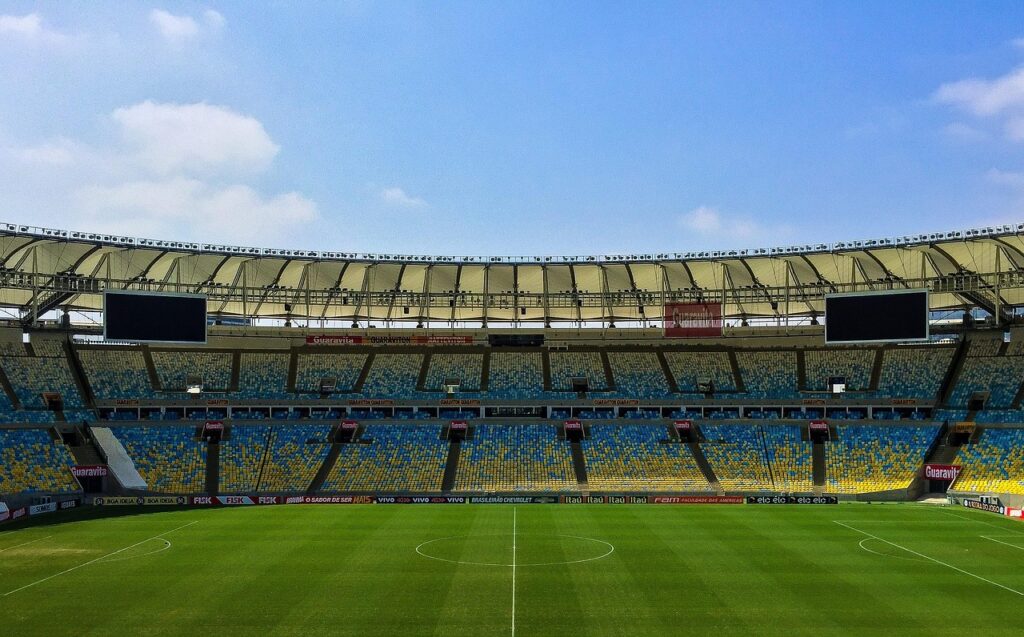

Lionel Messi is preparing for a historic return to MetLife Stadium in East Rutherford, New Jersey—the exact venue where he tearfully announced his retirement from international football eight years ago—as the stadium secures its place as the host for the 2026 FIFA World Cup Final. This return represents the ultimate redemption arc for the Argentine captain, who once walked away from the national team in despair but now returns as a reigning World Cup champion.
The Night of Despair in New Jersey
In June 2016, the Copa América Centenario final at MetLife Stadium ended in heartbreak for Argentina. After a grueling, scoreless 120 minutes against Chile, the match went to a penalty shootout. Messi, Argentina’s talisman, uncharacteristically blasted his penalty over the crossbar, leading to a devastating defeat.
Visibly distraught, Messi wept on the pitch before delivering a shocking announcement in the post-match mixed zone. He declared that his time with the national team was over, stating, “For me, the national team is over. I’ve done all I can, it hurts not to be a champion.”
The announcement triggered an unprecedented national crisis in Argentina. Fans took to the streets of Buenos Aires with signs reading “No Te Vayas, Lio” (Don’t Go, Lio), teammates pleaded for his return, and even then-President Mauricio Macri personally called the superstar to urge him to reconsider. Just two months later, overwhelmed by the public outcry, Messi reversed his decision, stating his love for his country was too great.
From Retirement to Global Dominance
Messi’s return to the international stage initiated an unprecedented era of success for Argentine football. Under the management of Lionel Scaloni, the Albiceleste shed their reputation for choking in major finals, capturing the 2021 Copa América and the 2022 FIFA World Cup in Qatar.
Data from FIFA shows that Messi’s post-retirement era has been his most prolific in terms of leadership and international silverware. Before 2016, Messi had lost four major finals with Argentina; since his return, he has guided the team to three major international trophies, including the Finalissima in 2022.
Sports analysts note that the psychological burden has lifted. Messi no longer plays under the suffocating shadow of Diego Maradona’s legacy, having secured his own status as an undisputed global icon. His playstyle has evolved from a high-speed dribbler to a masterful playmaker, allowing him to dictate the tempo of games even as his physical peak wanes.
Analyzing the Psychological Shift
“The Messi we see today is entirely different from the broken figure of 2016,” says sports psychologist Dr. Elena Rostova, who studies elite athlete performance. “In 2016, he carried the weight of a nation’s 23-year trophy drought. Today, he plays with a sense of joy and absolute freedom, which makes him even more dangerous on the pitch.”
This shift is highly visible in his performances for both Argentina and his Major League Soccer club, Inter Miami. His presence in the United States has catalyzed a soccer boom, making his return to New Jersey a highly anticipated cultural event rather than just a sporting fixture.
MetLife Stadium itself has undergone significant preparations to host high-profile matches leading up to the 2026 tournament. Stadium officials have committed to replacing the artificial turf with natural grass, a crucial requirement for FIFA-sanctioned international matches, ensuring the pitch meets the standards of elite global stars like Messi.
The Road to the 2026 World Cup Final
Messi’s return to the New York metropolitan area carries massive commercial and sporting implications for North America. As the region prepares to co-host the 2026 World Cup alongside Mexico and Canada, Messi serves as the primary ambassador for the sport’s rapid growth in the United States.
Ticket prices for matches at MetLife Stadium featuring Argentina have skyrocketed, with secondary market tickets averaging over $500, according to data from major ticketing platforms. This surge highlights the immense economic impact of “Messimanic” demand on local economies, boosting tourism, hospitality, and local transport sectors.
Looking ahead, the ultimate question remains whether the 36-year-old playmaker will extend his international career to participate in the 2026 tournament itself. While Messi has remained non-committal about his long-term future, his continued elite form suggests that a final, poetic appearance on the MetLife pitch in 2026 remains a distinct possibility for football’s greatest story.