
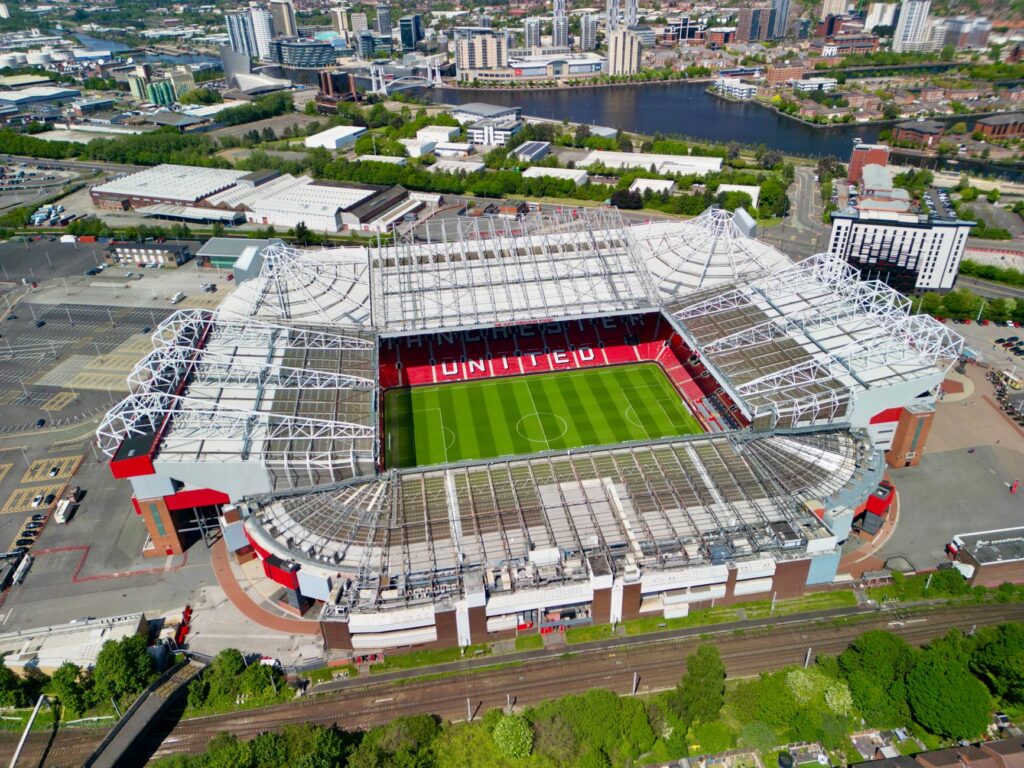

The Chronology of Slow Starts
Recent performances have highlighted a recurring and troubling issue for Manchester United. Week after week, the team displays a persistent habit of waking up only after matches have already begun. This tendency to concede early initiatives and gift opponents the upper hand has transformed from a minor tactical quirk into a profound crisis. Rather than dictating the tempo from the opening whistle, the squad routinely finds itself chasing games, forced into frantic recovery efforts that rarely yield sustained success.
Statistical Breakdown of the Decline
A deeper look at the numbers reveals why the Old Trafford side is currently staring at the unthinkable prospect of dropping out of the Premier League. Conceding early goals fundamentally shifts the tactical landscape, requiring extraordinary energy to overturn deficits. Opponents quickly realize that defensive resilience early in the match will frustrate United, allowing them to absorb pressure and exploit spaces on the counter-attack as the game wears on. This pattern has drained confidence across the roster, leaving players hesitant and vulnerable during the opening exchanges of crucial fixtures.
Psychological Pressures on the Pitch
Beyond tactics and physical output, the mental weight of these poor starts is visibly impacting the players. The atmosphere inside the stadium shifts noticeably when the team falls behind yet again, creating an environment of anxiety rather than inspiration. Professional athletes operating at this level require immense psychological stability to handle adversity, but the constant pressure of recovering from self-inflicted deficits has eroded team composure. Doubt creeps in early, and the body language on the pitch often reflects a group searching for answers rather than executing a confident game plan.
Management and Tactical Adjustments
Fixing this ongoing dilemma falls squarely on the coaching staff, who must implement immediate changes to the pre-match preparation and tactical setup. Whether the issue stems from flawed warm-up routines, incorrect tactical instructions, or deep-seated motivational hurdles, the current approach is failing. Opponents now expect United to start sluggishly and tailor their strategies to exploit this exact vulnerability. To escape the looming threat of relegation, the team must address its inability to compete from the first minute and prove it can match the intensity of its rivals immediately.
The Road Ahead for the Club
The remainder of the season presents a formidable challenge for a club accustomed to fighting at the opposite end of the table. Survival in the top flight is no longer guaranteed for any team that fails to perform consistently over ninety minutes. Manchester United can no longer rely on late surges or individual moments of brilliance to bail them out of recurring trouble. Reversing this trajectory demands absolute focus, disciplined defending from the opening whistle, and a complete overhaul of how the team approaches the beginning of every single match.