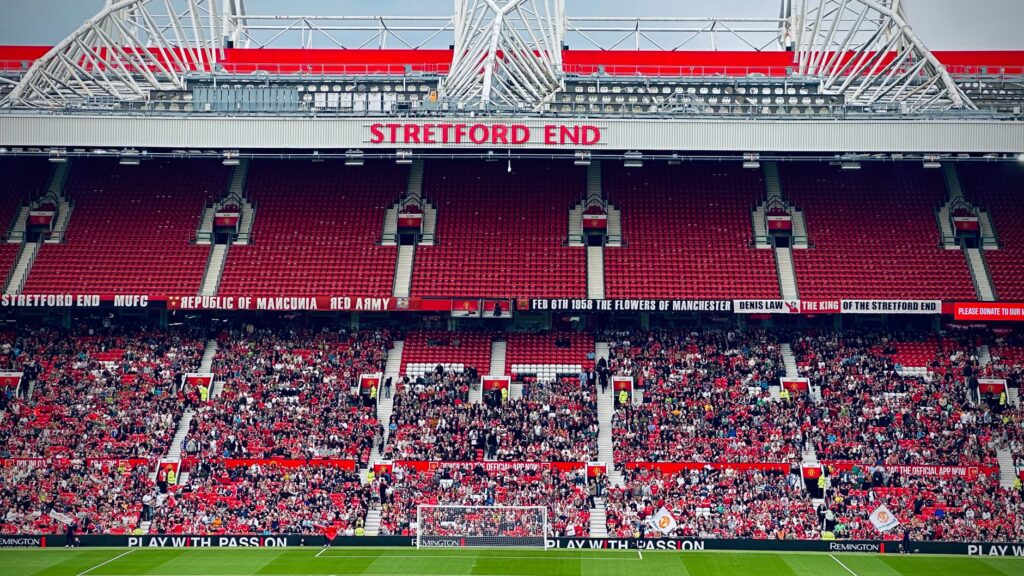

The Current Crisis at Old Trafford
Manchester United is facing one of the most difficult periods in its storied modern history. Recent decisions made by leadership regarding key personnel appointments have left the squad struggling on the pitch. Supporters and analysts alike are witnessing a decline in performance that has not been matched in four decades.
The strategy implemented by minority owner Sir Jim Ratcliffe relied heavily on bringing in untried individuals for crucial operational and coaching roles. Rather than securing seasoned professionals with proven track records in managing elite football clubs, the administration opted for relative newcomers to the highest levels of the sport.
Looking at the Relegation Threat
Football is a demanding environment where mistakes at the top quickly manifest as poor results on the field. The current predicament places the club dangerously close to the relegation zone. For an institution accustomed to competing for domestic and European titles, fighting to remain in the top flight represents an unprecedented and alarming reality.
The accumulation of strategic errors in recruitment and management has dismantled the competitive edge the team once possessed. Opponents now view fixtures against Manchester United as winnable opportunities, regardless of the venue. This shift in psychological dominance reflects the deep-seated instability within the organization.
Analyzing the Backroom Decisions
When new ownership assumes partial control, expectations for immediate restructuring are high. However, placing inexperienced personnel into high-pressure positions without adequate mentorship often yields poor outcomes. The strategy deployed at Old Trafford bypassed individuals who understood the immense weight and unique demands of steering a global footballing powerhouse.
Consequently, the club lacks the steady hand required during turbulent campaigns. Tactical cohesion has eroded, and player morale has visibly dipped. Without established leadership capable of navigating crises, the team continues to slide down the league standings.
Path Forward and Necessary Adjustments
Reversing this downward trajectory requires a pragmatic evaluation of current structures. Acknowledging the limitations of the existing setup is the first step toward recovery. Whether the administration will alter its course and bring in seasoned expertise remains to be seen, but time is running out.
The priority for the remaining months of the season must be stabilizing performances and securing enough points to avoid the drop. Failure to do so would result in catastrophic consequences for the club’s financial standing, global brand, and historical legacy. The decisions made in the coming weeks will define the immediate future of English football’s most scrutinized institution.