
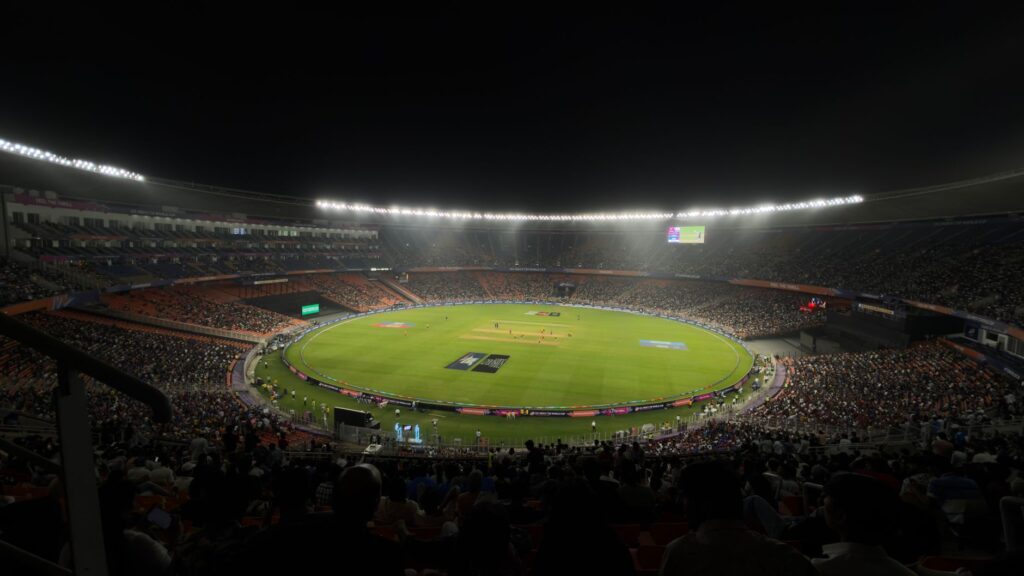

The debate surrounding the global cricket calendar continues to evolve as stakeholders look for ways to accommodate the expanding ecosystem of Twenty20 leagues. Discussions have reignited regarding the potential restructuring of the Indian Premier League schedule, with suggestions pointing toward a January start or a broader, split-window competition calendar spanning from October to April.
Evolution of the T20 Landscape
Over the past decade and a half, the Indian Premier League has established itself as the preeminent domestic Twenty20 tournament in the world. Its immense financial success, broadcast value, and star-studded player rosters have transformed it into a dominant commercial force within international cricket. Consequently, the tournament’s massive footprint has made it increasingly difficult to fit within the traditional, congested bilateral cricket windows.
Proposals for a Calendar Shift
Industry figures have begun advocating for a fundamental reassessment of when the competition takes place. Suggestions have emerged to shift the tournament window to the beginning of the calendar year, specifically proposing a January launch. Alternatively, experts have floated the idea of a carefully structured split-window format running across the six-month span from October through April. Proponents argue that such changes would help alleviate the relentless strain of international travel and player fatigue.
Balancing International Commitments
One of the primary challenges of modifying the scheduling landscape involves managing the interests of international cricket boards and bilateral series. Test cricket and traditional fifty-over formats still hold significant cultural and historical value for many member nations. A major shift in the premier franchise window could spark complex negotiations regarding player availability, workload management, and the protection of international calendars.
Economic Implications and Global Reach
From a financial perspective, altering the competition timeline could unlock new commercial opportunities for franchise owners and media rights holders. A dedicated window that avoids overlapping with major northern hemisphere cricket seasons could maximize viewership and sponsorship engagement. However, coordinating these changes requires unprecedented cooperation among global administrators to ensure domestic leagues and international fixtures coexist harmoniously.
Looking Ahead
As the sports entertainment industry grows, the pressure to optimize tournament schedules will only increase. Whether the premier T20 league eventually transitions to a January start or adopts an extended split season remains to be seen. The ongoing dialogue highlights the urgent need for a cohesive global strategy that balances franchise interests with the broader traditions of the sport.