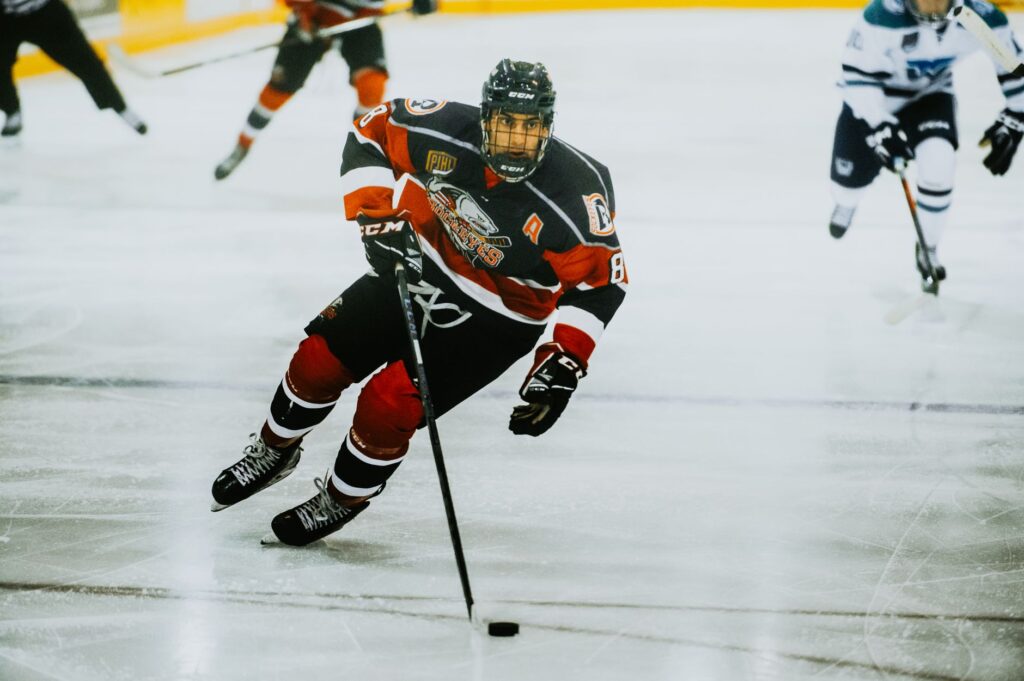

Fantasy Hockey Scoring Dynamics
Succeeding in fantasy hockey requires a deep understanding of how players generate their offensive numbers. Managers often look at raw point totals, but digging deeper into underlying metrics reveals who truly drives the offense. Evaluating primary assists alongside goals provides a clearer picture of a skater’s true playmaking value on the ice.
Analyzing Primary Assists
Primary assists are a critical indicator of a player’s playmaking ability. Unlike secondary assists, which can sometimes be flukelike products of being on the ice during a chaotic scramble, primary assists show direct involvement in creating scoring chances. Focusing on skaters who consistently rack up primary assists helps fantasy managers identify reliable offensive drivers.
Power Play Trends to Watch
Special teams play a massive role in fantasy hockey success. Tracking power play units and player deployment gives managers an edge in predicting future point production. Skaters who secure prominent minutes on the top power play unit often see a significant boost in their offensive output, making them essential targets for any competitive roster.
Evaluating Goalie Performance
Goaltending remains one of the most volatile yet crucial positions in fantasy hockey. Keeping a close eye on crease situations, starting workloads, and defensive support helps managers navigate the weekly grind. Monitoring goalie notes allows teams to capitalize on streaming options and maximize save percentages and wins.
Building a Winning Strategy
Combining advanced metrics like primary assists with traditional stats creates a robust fantasy hockey strategy. Staying informed on power play trends and goalie situations ensures that managers can adapt quickly to roster injuries and slumps. Prioritizing players who consistently generate high-danger scoring opportunities ultimately leads to a more competitive and successful fantasy hockey lineup throughout the entire season.