
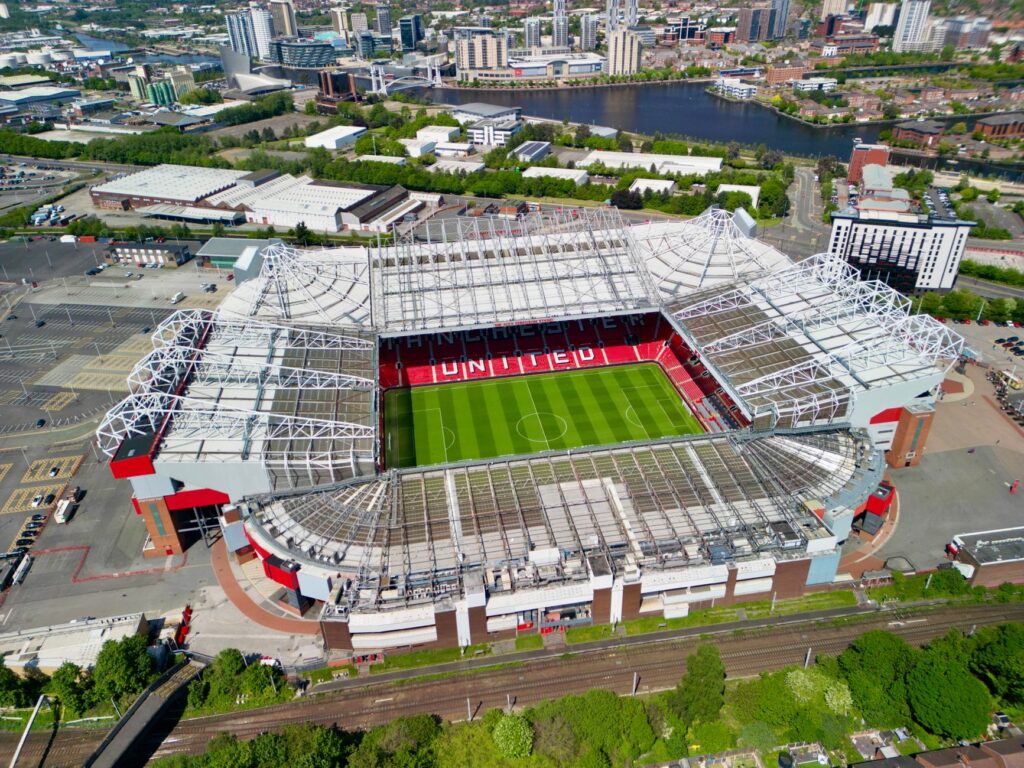

The Role of a Modern Football Manager
When a high-profile manager takes charge at a struggling elite club, expectations immediately skyrocket. Fans and pundits often look to the new boss as a miraculous savior capable of reversing years of decline overnight. However, the core responsibilities of a manager are frequently misunderstood. For a tactician like Mauricio Pochettino, stepping into the dugout at Manchester United does not mean shouldering the impossible burden of restructuring an entire institution. Instead, the primary mandate is straightforward: secure positive results on the pitch and elevate the performance levels of the existing squad.
Demanding immediate miracles from the coaching staff ignores the systemic issues that can plague a massive organization. A manager is hired to coach, organize training sessions, and deploy tactical strategies during matches. While these duties are vital for short-term success, they represent only a fraction of what makes a football club function at an elite level. Expecting one individual to correct deep-seated structural flaws across recruitment, administration, and club culture is fundamentally unrealistic.
Real Change Begins at the Executive Level
Sustainable success in modern professional football requires competence and vision from the very top of the organization. The owners, board members, and executive leadership hold the ultimate responsibility for setting the strategic direction of the club. If an organization lacks a cohesive plan for player acquisitions, contract management, and operational efficiency, even the most capable manager will eventually struggle to bridge the gap.
At Manchester United, the historical difficulties point directly toward executive decisions rather than merely tactical choices on matchdays. The ownership group and senior executives must execute their specific duties effectively to create an environment where a head coach can thrive. Without a stable foundation built by the leadership team, any managerial appointment is set up to fight an uphill battle against institutional dysfunction.
Empowering the Coaching Staff Through Leadership
For a partnership between a club and a manager to yield silverware, the executive branch must actively support the sporting department. This means providing adequate resources, establishing clear footballing philosophies, and staying out of the way of daily coaching operations while remaining accountable for the big picture. When owners and directors handle their responsibilities with clarity and purpose, the manager is free to focus entirely on player development and tactical execution.
Ultimately, Manchester United cannot rely solely on a change in the dugout to restore past glories. While appointing a skilled strategist is a crucial piece of the puzzle, the true catalyst for a lasting revival must come from the boardroom. Only when the owners and executives step up to do their jobs properly can the manager truly succeed in making the team better and delivering the results supporters demand.