
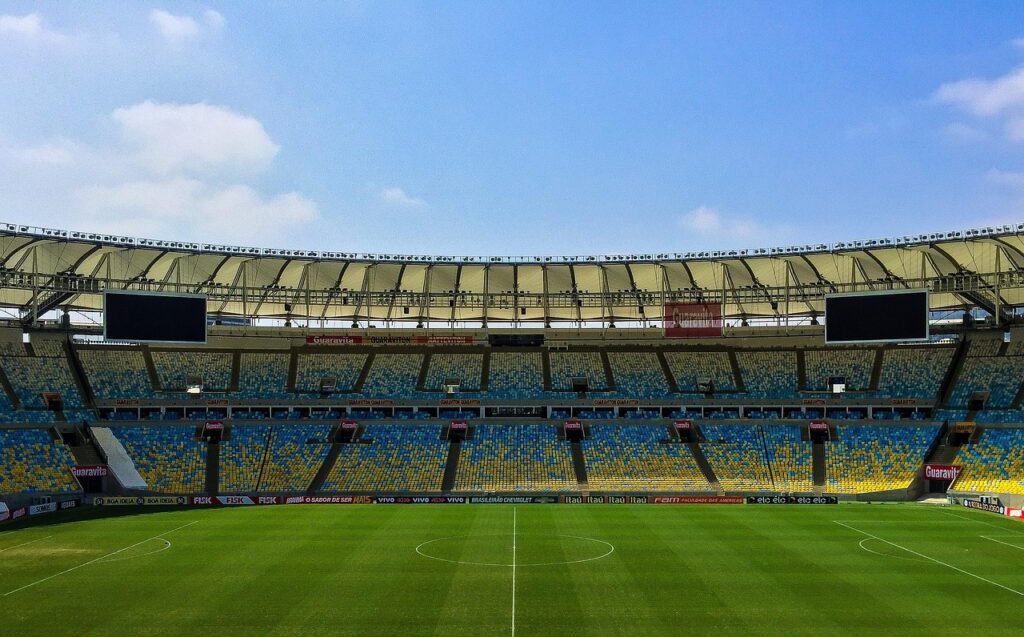

The United States could host the FIFA World Cup again as early as 2038, according to international sports administrators convening at the conclusion of the recent tournament. Driven by an unprecedented surge in American ticket and hospitality sales, FIFA is reportedly considering a rapid return to North America to offset projected deficits in global television broadcast revenue. This potential bid, which has dominated discussions among global soccer officials, marks a significant shift in how the world’s governing body prioritizes tournament hosts.
The Financial Engine of American Sports
The sheer scale of the North American sports market has transformed FIFA’s long-term financial strategy. During the buildup to the recent World Cup final, political figures and sports executives openly discussed the prospect of a fast-tracked return. U.S. President Donald Trump publicly urged FIFA President Gianni Infantino to bring the tournament back to American soil quickly, reflecting a broader consensus among stakeholders that the U.S. market remains unmatched in its monetization potential.
This momentum stems from the record-breaking financial performance of recent matches held across American stadiums. Sports business analysts note that corporate hospitality packages and premium ticketing in the U.S. generate yields that far exceed those of traditional soccer strongholds in Europe or South America. For FIFA, which relies heavily on tournament cycles to fund its global development programs, these revenues have become indispensable.
Countering the Broadcast Revenue Slowdown
This focus on live-event monetization comes at a critical time for FIFA’s balance sheet. For decades, global television broadcast rights served as the primary source of FIFA’s income. However, the rapid fragmentation of the media landscape, driven by cord-cutting and the slow monetization of streaming platforms, has threatened this traditional revenue stream.
Media analysts warn that future broadcast rights cycles may experience stagnant growth or even declines in key markets. To counter this vulnerability, FIFA is pivoting toward direct-to-consumer monetization through ticketing, hospitality, and localized merchandising. Securing high-income host nations like the United States ensures a reliable financial backstop against volatile media markets.
Challenging the Continental Rotation Policy
A potential 2038 U.S. bid would challenge FIFA’s long-standing continental rotation policy. Historically, the governing body has rotated the World Cup among its six confederations to promote global development and equity. Bringing the tournament back to North America just 12 years after the 2026 event would represent a historic departure from this practice.
However, the immense cost of building new stadium infrastructure in developing nations has made ready-made venues highly attractive. The United States boasts dozens of modern, NFL-sized stadiums that require zero public infrastructure spending to meet FIFA’s stringent criteria. This reduces the financial risk for both the host cities and the governing body, making a quick return logistically seamless.
Broader Industry Implications
For rival bidding nations in Europe, South America, and Asia, a rapid American return could disrupt long-term hosting ambitions. Countries that have spent years preparing bids may find themselves sidelined by the undeniable economic gravity of the U.S. market. This trend could lead to a permanent bifurcation of FIFA events, where high-revenue nations host the men’s flagship tournament while smaller nations are relegated to youth or women’s championships.
For fans and local economies, the prospect of another World Cup within a generation promises sustained investment in soccer infrastructure and youth development across the United States. Major League Soccer (MLS) and other domestic leagues stand to benefit from a prolonged golden era of domestic interest in the sport.
Looking ahead, the road to 2038 will depend on how FIFA structures its upcoming bidding cycles. Observers should watch the next FIFA Congress meetings, where delegates will debate potential amendments to the rotation policy. As the financial realities of the post-broadcast era set in, the governing body’s willingness to prioritize immediate stadium revenue over geopolitical rotation will become clear.