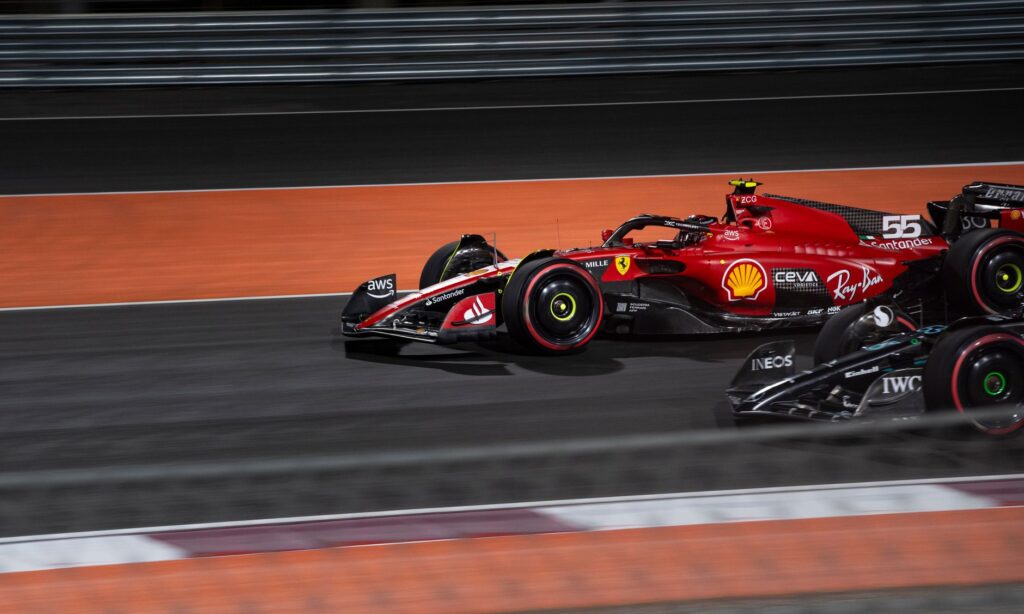

The 2026 Qatar Grand Prix offered Formula 1 fans a fascinating glimpse into the future trajectory of the Mercedes team, while simultaneously underscoring a recurring narrative of misfortune for driver George Russell. According to reporting by Nate Saunders on ESPN, the weekend in Qatar encapsulated both the immense organizational potential building within the Brackley-based squad and the persistent competitive hurdles that continue to plague Russell’s championship aspirations.
Key Takeaways:
- The Qatar Grand Prix highlighted a promising glimpse of how Mercedes could structure its competitive edge moving toward the 2027 season.
- George Russell experienced another weekend marred by bad luck, halting his momentum despite strong underlying performance.
- Reporting by Nate Saunders via ESPN outlines the complex operational and tactical dynamics facing Mercedes under the evolving Formula 1 regulations.
Decoding the Mercedes Team Culture in Qatar
As Formula 1 navigates its modern regulatory era, team culture and operational execution remain paramount. The performance metrics and garage atmosphere observed in Qatar demonstrated a cohesive unit capable of challenging at the front. Analysts tracking the Silver Arrows note that the strategic decision-making and developmental focus are beginning to mirror the championship-winning DNA of previous eras, suggesting a formidable package for upcoming campaigns.
Strategic Execution and Future Outlook
Looking past the immediate race result, the structural adjustments within Mercedes point toward a robust 2027 technical campaign. Team leadership has emphasized continuous simulator correlation and rapid in-season component updates. These foundational elements were clearly visible in the data streams gathered across the Losail International Circuit, validating the engineering direction chosen by the factory.
George Russell and the Persistence of Misfortune
While the team culture showed encouraging signs of vitality, George Russell’s individual race weekend was once again derailed by external factors and ill-timed misfortune. Racing at the highest level of motorsport often involves narrow margins between success and failure, and Russell has found himself on the wrong side of that statistical variance too frequently.
Analyzing the Incident Metrics
Evaluating Russell’s weekend requires looking beyond the raw finishing positions to examine the telemetry and timing sheets. Up until the moments where bad luck intervened, his pace relative to the field indicated strong aerodynamic efficiency and tire management. Formula 1 commentators, including Nate Saunders, have frequently highlighted how these compounding incidents mask the true competitive capability of the British driver.
Broader Implications for the Formula 1 Grid
The events in Qatar resonate across the entire paddock as teams finalize their development pathways. For Mercedes, cementing a winning culture is essential to attracting top-tier engineering talent and retaining driver confidence. Meanwhile, addressing the reliability and tactical variables surrounding George Russell will be crucial if the team aims to mount a sustained assault on both the Drivers and Constructors World Championships in the near future.