





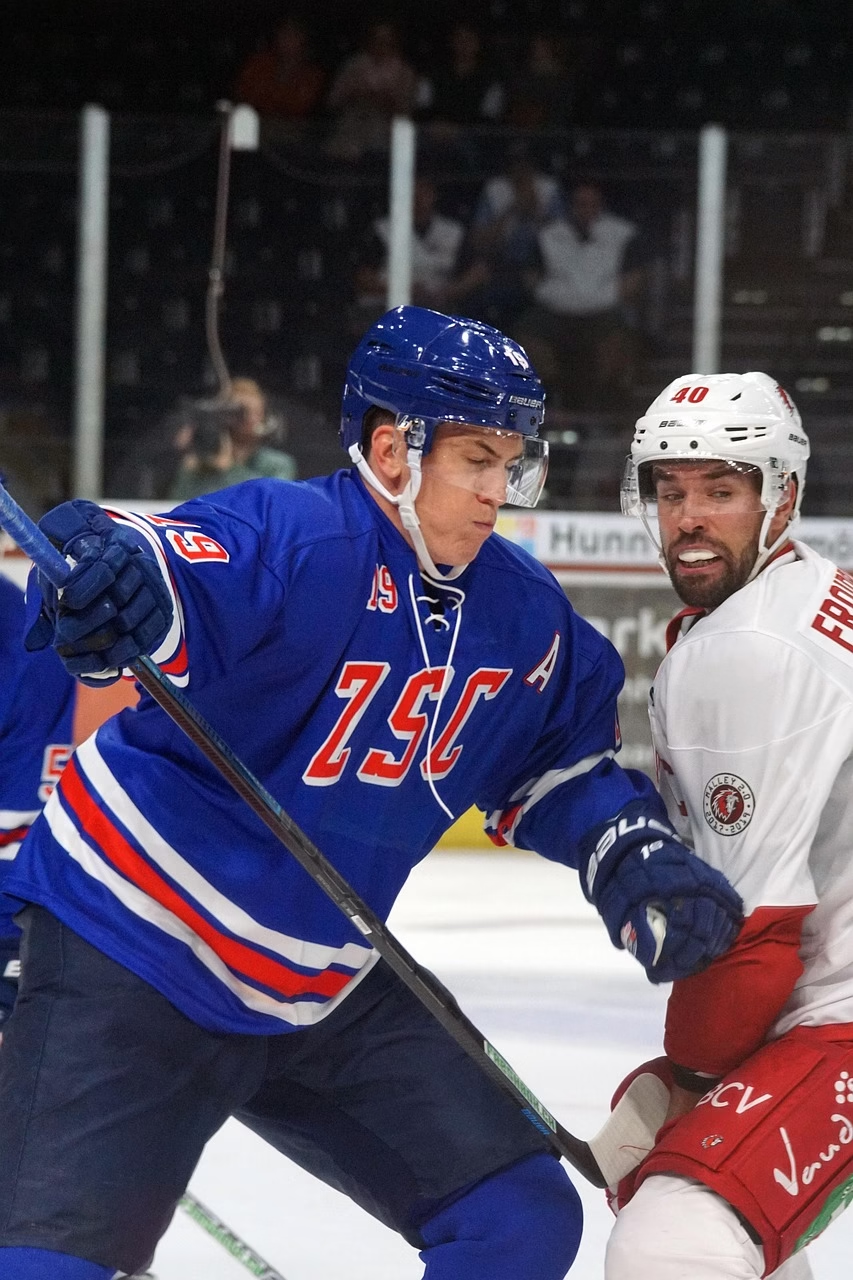
A former National Hockey League (NHL) player is now facing sexual assault charges in Canada, stemming from an alleged incident in London, Ontario, in 2018. This development has plunged the country’s premier hockey organization, Hockey Canada, further into turmoil and sparked renewed public outrage over accountability within the sport.
Context: A Culture Under Scrutiny
The charges emerge against a backdrop of intense public and governmental scrutiny that has plagued Hockey Canada since 2022. Allegations of sexual assault involving members of the 2018 Canadian World Junior Hockey Team first surfaced, leading to a cascade of investigations, sponsorship withdrawals, and significant leadership changes within the national governing body.
For years, concerns about a pervasive “locker room culture” and alleged systemic failures to address misconduct have shadowed Canadian hockey. The 2018 incident, specifically, highlighted gaps in reporting mechanisms and accountability structures, drawing sharp criticism from politicians, athletes, and the general public alike.
Hockey Canada underwent a complete overhaul of its board of directors and senior leadership in response to the initial revelations. It also committed to implementing new governance structures and a comprehensive action plan aimed at fostering a safer and more inclusive environment across all levels of the sport. Despite these efforts, the re-emergence of legal action against an individual connected to a past controversy underscores the deep-seated challenges that remain.
Legal Proceedings and Broader Implications
The charges against the former NHL player mark a significant step in the legal process related to the 2018 London incident. Police in London, Ontario, have been conducting an extensive investigation into the allegations. While details of the specific charges and the identity of the accused remain subject to court proceedings and publication bans, the public nature of the allegations has already sent ripples through the hockey community.
Legal experts suggest that such cases are often complex, involving sensitive evidence and lengthy judicial processes. “These investigations require meticulous work, often over several years, to ensure all evidence is thoroughly examined,” stated a Toronto-based criminal defense lawyer, who wished to remain anonymous due to the ongoing nature of similar high-profile cases. “The focus will now shift to the courts to determine the facts and ensure justice is served for all parties involved.”
The re-activation of this case also reignites critical conversations about player accountability and the responsibility of sports organizations. Critics argue that a culture of silence and protection for star athletes has historically hindered justice for victims. “This isn’t just about one player; it’s about a system that allowed such alleged behavior to persist and be covered up for too long,” commented Dr. Sarah Jenkins, a sports sociologist at McGill University. “The public demands transparency and a clear commitment to cultural change, not just symbolic gestures.”
Data from recent surveys indicate a significant decline in public trust in national sports organizations, with over 60% of Canadians expressing concerns about the handling of abuse allegations, according to a 2023 poll conducted by the Angus Reid Institute. This erosion of trust poses a serious threat to the sport’s grassroots foundations, as parents reconsider enrolling their children in programs perceived as unsafe.
Efforts Towards Cultural Reform and Future Outlook
In response to the ongoing controversies, Hockey Canada has implemented several reforms, including a mandatory independent third-party reporting mechanism for abuse complaints and enhanced educational programs for players and staff. The organization has also pledged to increase transparency and cooperation with law enforcement agencies in all investigations of alleged misconduct.
However, the current legal developments suggest that these reforms are still being tested and that the path to full restoration of public confidence is long. The case serves as a stark reminder that accountability extends beyond organizational policy changes and must permeate individual behavior and team culture.
Looking ahead, the resolution of this case will undoubtedly influence future policies regarding player conduct and organizational oversight across all Canadian sports. It places renewed pressure on Hockey Canada to demonstrate tangible progress in its cultural transformation, ensuring that player safety and ethical conduct are paramount.
Stakeholders will be closely watching how the legal system processes these charges and what further actions Hockey Canada, the NHL, and other governing bodies take to reinforce their commitment to a safer environment. The outcome could set a precedent for how similar allegations are handled in the future, potentially leading to more rigorous vetting processes for athletes and coaches, and stronger support systems for victims. The ongoing pursuit of justice highlights the critical need for sustained vigilance and proactive measures to truly eradicate harmful practices and rebuild trust in Canada’s national sport.