

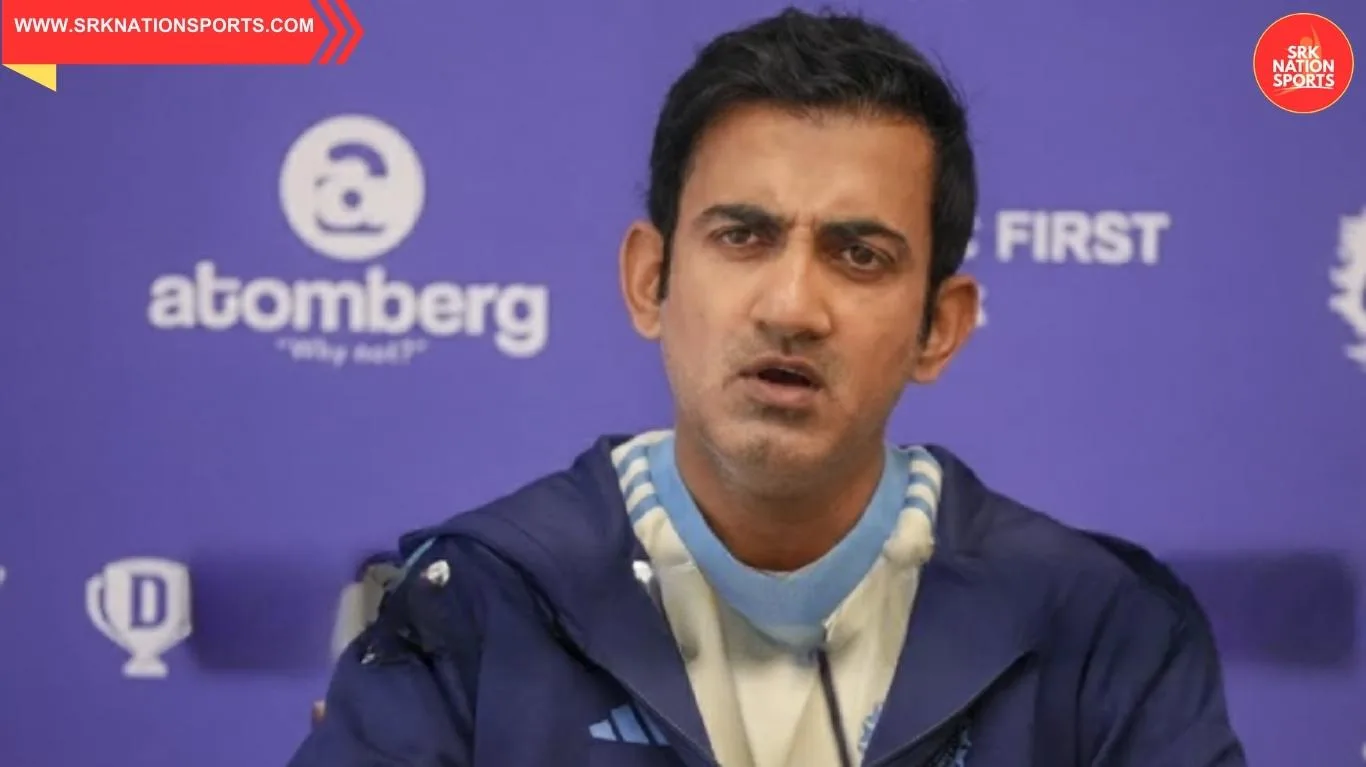
Former Indian cricketer and World Cup hero Gautam Gambhir has reignited debate around India’s cricketing ties with Pakistan by stating that the team should consider boycotting matches against its arch-rival in ICC World Cups. Gambhir, known for his outspoken views, argued that “two points are not that important” when national sentiment and broader issues are at stake.
Gambhir’s Statement
In a recent discussion, Gambhir emphasized that India’s participation in matches against Pakistan should not be viewed merely through the lens of cricketing points or tournament progression. Instead, he suggested that the government and cricketing authorities should weigh national priorities and public sentiment.
Key highlights of his remarks:
- India should boycott Pakistan in ICC World Cups.
- Tournament points are secondary compared to national interest.
- Cricketing ties must reflect broader geopolitical realities.
Historical Context of India-Pakistan Cricket
India and Pakistan share one of the fiercest rivalries in world cricket. Matches between the two nations often transcend sport, becoming symbolic of political and cultural tensions.
| Year | Tournament | Result | Significance |
|---|---|---|---|
| 1992 | World Cup | Pakistan won | First World Cup clash |
| 2003 | World Cup | India won | Sachin Tendulkar’s iconic innings |
| 2011 | World Cup Semi-final | India won | High-pressure match in Mohali |
| 2017 | Champions Trophy Final | Pakistan won | Major upset |
| 2019 | World Cup | India won | Continued dominance in World Cups |
Gambhir’s Perspective vs Conventional View
| Perspective | Gambhir’s View | Conventional View |
|---|---|---|
| National Interest | Boycott matches against Pakistan | Keep politics separate from sport |
| Tournament Points | “Two points not that important” | Every point crucial for progression |
| Symbolism | Matches carry political weight | Matches are sporting contests |
| Public Sentiment | Reflect national mood | Focus on cricketing excellence |
Reactions to Gambhir’s Remarks
- Supporters: Applauded Gambhir for prioritizing national sentiment over cricketing gains.
- Critics: Argued that boycotting matches undermines the spirit of sport and penalizes fans.
- Neutral Analysts: Suggested that the decision should be left to government and cricket boards, balancing diplomacy with sporting commitments.
Implications for ICC Tournaments
If India were to boycott Pakistan in ICC events, several implications could arise:
- Tournament Structure: Points table dynamics would be altered.
- Revenue Impact: India-Pakistan matches generate massive viewership and sponsorship.
- Diplomatic Messaging: Boycott would send a strong political signal.
- Fan Experience: Millions of fans would miss out on high-voltage contests.
Comparative Analysis of Boycotts in Sports
| Country | Event | Reason | Impact |
|---|---|---|---|
| India | Potential ICC boycott | Political tensions with Pakistan | Loss of marquee matches |
| USA | 1980 Olympics | Boycott of Moscow Games | Political statement against USSR |
| USSR | 1984 Olympics | Boycott of Los Angeles Games | Retaliation, weakened competition |
| South Africa | Apartheid era | Global boycott | Isolation until reforms |
This shows how boycotts have historically been used as political tools, often at the cost of sporting spectacle.
Conclusion
The headline “Gautam Gambhir Wanted India to Boycott Pakistan in World Cups: ‘2 Points Not That Important’” reflects the cricketer’s strong stance on prioritizing national sentiment over sporting gains. His remarks reignite the debate on whether cricket should remain insulated from politics or serve as a platform for broader national messaging.
As India prepares for future ICC tournaments, the question of whether to play or boycott Pakistan will continue to be a contentious issue, balancing the spirit of sport with the realities of geopolitics.
Disclaimer
This article is intended for informational and analytical purposes only. It reflects current sporting and political discussions. The content does not represent official statements from Gautam Gambhir, the Board of Control for Cricket in India (BCCI), or the International Cricket Council (ICC). Readers should verify facts through authoritative sources before drawing conclusions.