









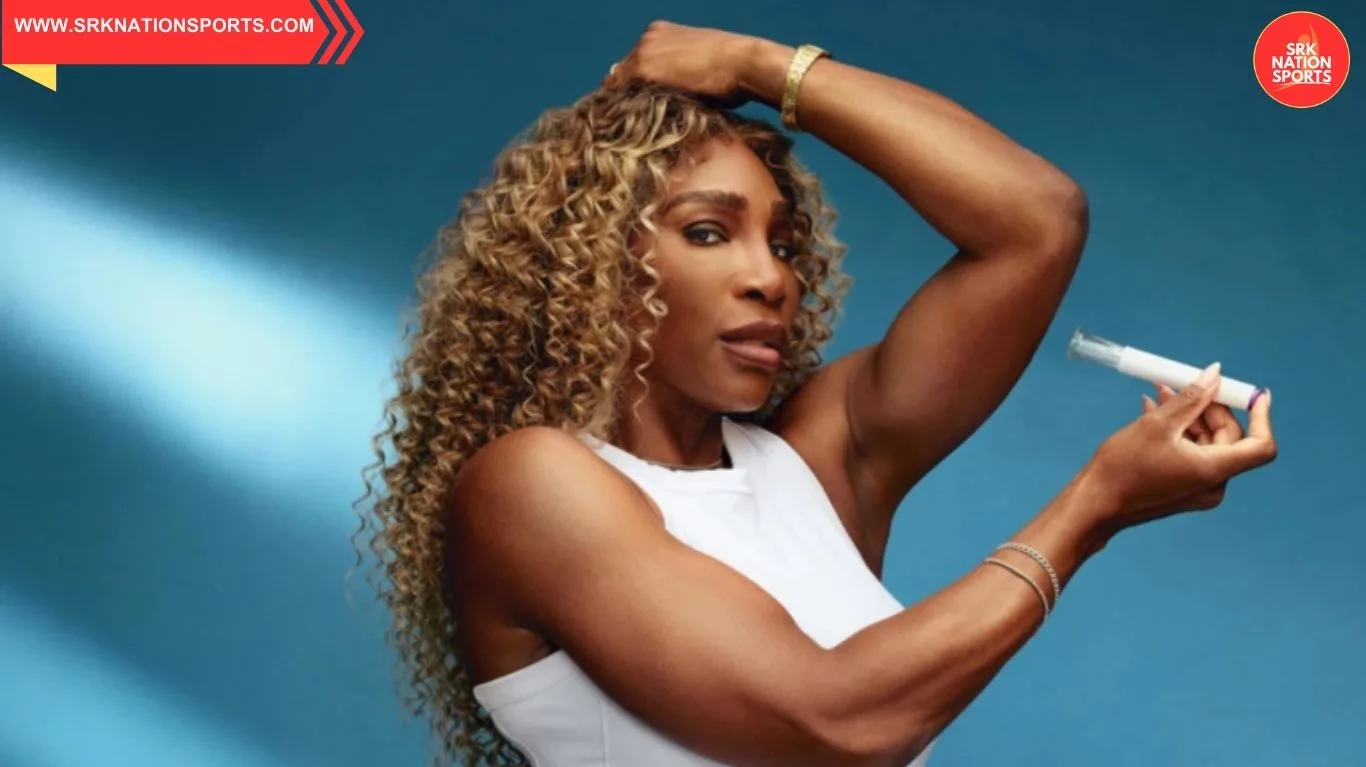
Tennis legend Serena Williams has found herself at the center of a heated public debate after appearing in a Super Bowl LX advertisement promoting a telehealth company’s GLP-1 prescription weight-loss drug. The ad, which highlighted her 15 kg weight loss journey, sparked widespread criticism online, with many questioning whether a global sports icon should endorse such medications. Amid the backlash, former ATP star Holger Rune stepped forward to defend Williams, adding a new dimension to the controversy.
Key Highlights
- Super Bowl Ad: Serena Williams featured in a commercial for Ro, a telehealth company, discussing her weight loss using GLP-1 drugs.
- Public Backlash: Critics accused her of “shameless promotion” of potentially risky medications.
- Personal Context: Williams struggled with weight loss after her second pregnancy, despite disciplined training.
- Holger Rune’s Defense: The Danish tennis star defended Williams, emphasizing personal choice and medical guidance.
- Broader Debate: The controversy reignited discussions about celebrity endorsements, health risks, and body image.
Analysis of the Controversy
| Factor | Traditional Scenario | Current Scenario (2026) | Outcome Observed |
|---|---|---|---|
| Celebrity Endorsements | Focus on lifestyle brands | Endorsing prescription drugs | Ethical debate |
| Public Sentiment | Admiration for Serena | Divided opinions on GLP-1 ad | Polarization |
| Health Concerns | Limited awareness | Highlighted risks of GLP-1 drugs | Medical scrutiny |
| Media Coverage | Sports achievements | Focus on weight loss journey | Shift in narrative |
| Industry Impact | Neutral endorsements | Telehealth firms gain visibility | Market attention |
Comparative Analysis of Celebrity Health Endorsements
| Celebrity | Endorsement Type | Public Reaction | Impact |
|---|---|---|---|
| Serena Williams | GLP-1 drug ad | Fierce criticism, defense by Rune | Ethical debate |
| Tom Brady | Nutrition brand | Positive reception | Boosted brand credibility |
| Oprah Winfrey | Weight-loss programs | Mixed reactions | Sparked body image debates |
| Novak Djokovic | Wellness supplements | Moderate criticism | Niche market influence |
Drivers of the Debate
- Health Risks: Critics pointed to possible side effects of GLP-1 drugs, including nausea and long-term dependency.
- Celebrity Influence: Concerns about the impact of Serena’s endorsement on millions of fans.
- Body Image Pressure: Debate over whether athletes should promote medical weight-loss solutions.
- Telehealth Industry Growth: The ad highlighted the rising role of telehealth companies in mainstream healthcare.
- Holger Rune’s Intervention: His defense shifted focus toward personal choice and medical autonomy.
Public and Media Reaction
- Fans: Divided, with some praising Serena’s honesty and others condemning her endorsement.
- Media: Coverage emphasized the ethical implications of celebrity health endorsements.
- Analysts: Viewed the controversy as a reflection of growing tensions between health marketing and public trust.
- Social Media: Platforms like X (formerly Twitter) amplified criticism, with hashtags trending globally.
Future Outlook
The controversy could lead to:
- Stricter Guidelines: Calls for clearer regulations on celebrity endorsements of prescription drugs.
- Public Awareness: Increased scrutiny of GLP-1 drugs and their side effects.
- Industry Impact: Telehealth companies may face reputational challenges.
- Athlete Narratives: Future endorsements likely to be more cautious and medically vetted.
Challenges ahead:
- Balancing transparency with ethical responsibility.
- Managing celebrity influence on public health decisions.
- Addressing misinformation and stigma around medical treatments.
Conclusion
The Super Bowl LX advertisement featuring Serena Williams has ignited a global debate on the ethics of celebrity endorsements in healthcare. While critics accuse her of promoting risky medications, supporters—including Holger Rune—frame the decision as a matter of personal choice and medical guidance. The controversy underscores the complex intersection of sports, health, and celebrity influence, raising important questions about responsibility, transparency, and public trust in the age of telehealth.
Disclaimer
This article is intended for informational and analytical purposes only. It summarizes publicly available updates on celebrity endorsements, health debates, and public reactions. It does not constitute medical advice, insider information, or professional consultation. Readers are encouraged to verify facts independently and consult healthcare professionals before making health-related decisions.