






World No. 1 Jannik Sinner suffered a shocking second-round exit at the French Open in Paris this week, falling to unseeded Argentine Juan Manuel Cerundolo in a grueling five-set match. The Italian star struggled significantly with the oppressive afternoon temperatures, eventually wilting under the midday sun as his physical endurance waned during the final stages of the contest.
The Growing Challenge of Environmental Factors in Tennis
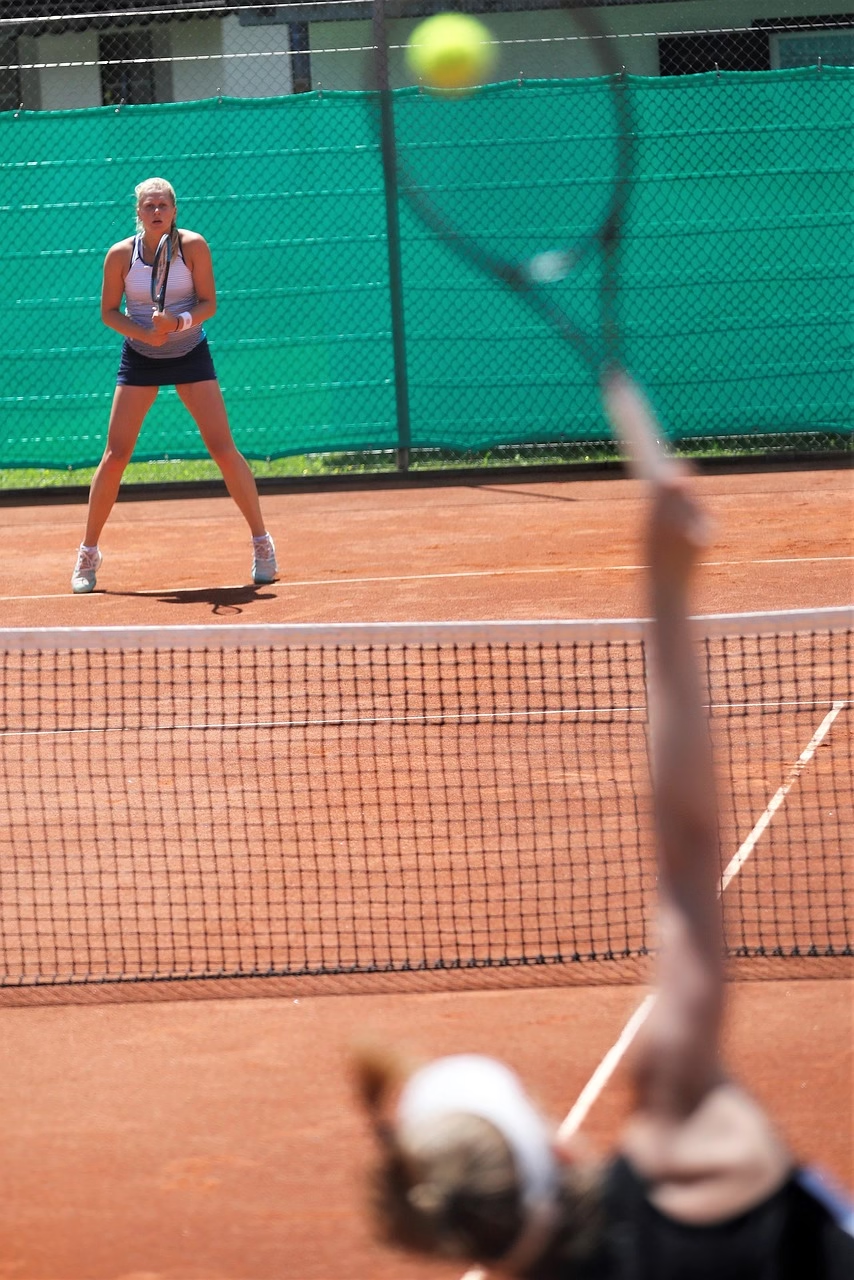
Professional tennis has faced increasing scrutiny regarding its ability to manage extreme weather conditions during major tournaments. Roland Garros, known for its clay courts that demand long, physical rallies, often exacerbates the impact of high temperatures on players’ stamina.
Sinner, who entered the tournament as a top favorite, has previously emphasized the importance of physical conditioning in his training regimen. However, the unique combination of high humidity and heat in Paris created an environment that even the most elite athletes found difficult to navigate.
Tactical Shifts and Physical Toll
Juan Manuel Cerundolo capitalized on the conditions by employing a patient baseline strategy that forced Sinner into extended rallies. By extending the duration of each point, the Argentine successfully pushed the world No. 1 to his physical limits.
Data from recent Grand Slam events suggests that matches exceeding the four-hour mark in temperatures above 30 degrees Celsius result in significantly higher rates of unforced errors. Sinner’s performance trajectory mirrored this trend, as his serve velocity dropped by nearly 10 mph during the final set.
Industry Implications and Future Preparations
The defeat highlights a recurring vulnerability for top-ranked players who rely on high-intensity baseline play. Industry experts suggest that the professional circuit may need to revisit scheduling protocols to mitigate the risks posed by rising global temperatures.
Tournament organizers are now under increased pressure to implement stricter heat protocols, including potential mid-match delays or extended recovery windows. For players, the loss serves as a stark reminder that physical resilience is as critical as technical skill in the modern era of the sport.
Moving forward, analysts will be watching to see if Sinner adjusts his training to better simulate extreme environmental stressors. Furthermore, the ATP and ITF are expected to face mounting calls for improved cooling infrastructure at outdoor venues to ensure player safety and match integrity.