


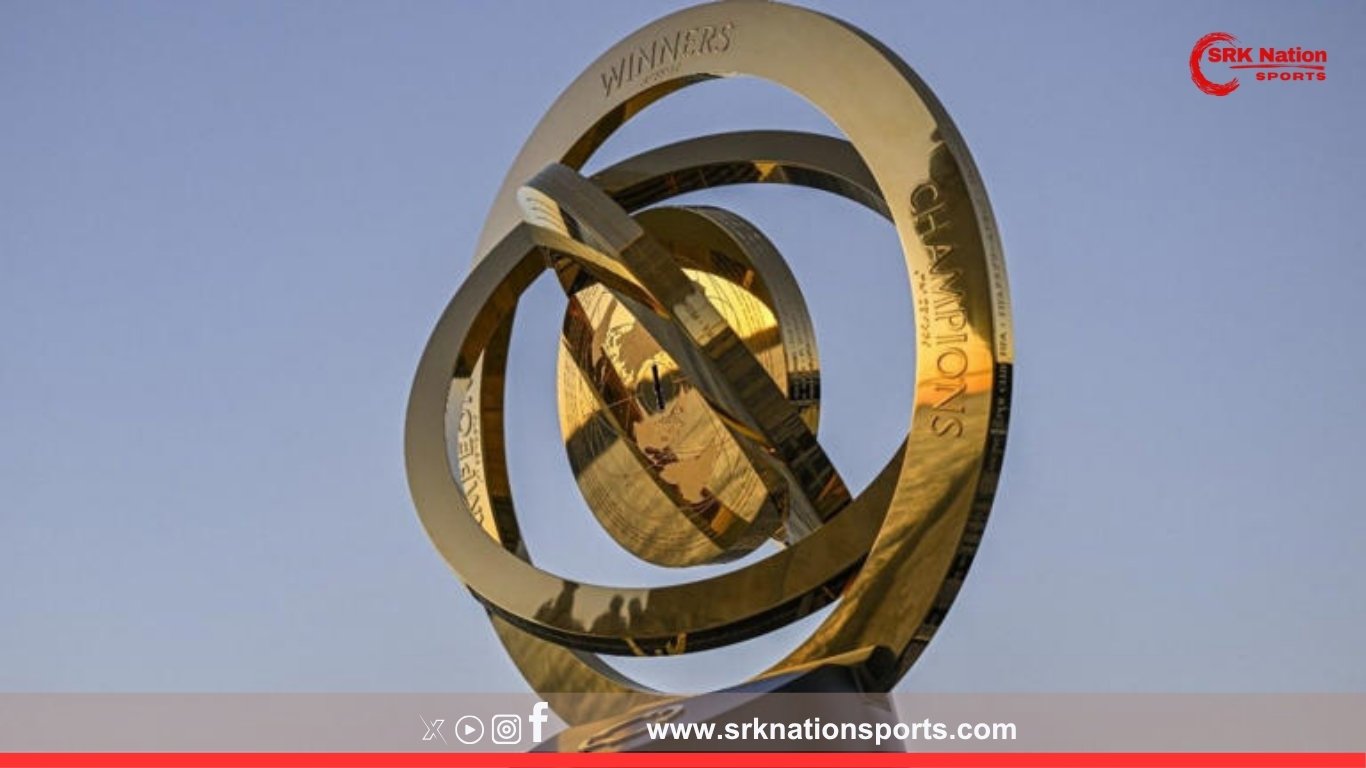
In an unexpected move aimed at boosting stadium attendance, FIFA has announced a significant reduction in ticket prices for the ongoing FIFA Club World Cup 2025 in the United States. The decision comes after sparse crowds were recorded for the initial knockout matches, despite high-profile teams like Real Madrid, Manchester City, Flamengo, and Al Ahly participating in the tournament.
Empty seats prompt price revision
The tournament, featuring an expanded 32-team format for the first time, has struggled to attract capacity crowds, with several fixtures recording attendance below 50% of stadium capacity. According to officials, the steep pricing strategy adopted initially to capitalise on global fan interest may have backfired, especially for midweek and non-European fixtures.
FIFA’s ticketing department issued a revised price list late on Monday night, slashing prices by 20-40% across categories for the remaining quarter-finals, semi-finals, and final.
Revised Club World Cup ticket prices
| Match stage | Category | Original price (USD) | Revised price (USD) | Reduction (%) |
|---|---|---|---|---|
| Quarter-finals | General admission | 75 | 45 | 40% |
| Quarter-finals | Premium | 150 | 110 | 27% |
| Semi-finals | General admission | 120 | 80 | 33% |
| Semi-finals | Premium | 200 | 150 | 25% |
| Final | General admission | 180 | 120 | 33% |
| Final | Premium | 350 | 250 | 29% |
The announcement has been welcomed by local fans, who had criticised the initial pricing as unaffordable, especially for families planning to attend multiple fixtures.
FIFA’s official statement
A FIFA spokesperson said:
“The FIFA Club World Cup is a global celebration of club football. We want stadiums to be full so fans can enjoy the unique atmosphere. These revised prices reflect our commitment to accessibility.”
Low attendance despite star power
Matches featuring South American, Asian, and African clubs have faced particularly low turnouts, even at compact venues like Red Bull Arena and Soldier Field. The quarter-final clash between Urawa Red Diamonds and Al Ahly drew just under 18,000 spectators in a 33,000-capacity stadium.
Experts analyse causes of poor turnout
Football business analyst Darren Lewis noted:
“While the Club World Cup boasts elite European teams, American fans are still warming up to the concept. Midweek timings, lack of familiarity with non-European clubs, and high ticket prices contributed to poor turnout.”
He added that FIFA’s price reduction was a pragmatic move to avoid the embarrassment of empty seats during broadcast coverage of the tournament’s marquee fixtures.
Fan reactions to price cut
Social media witnessed mixed reactions after the announcement.
- “Finally, some sense from FIFA. Was planning to watch City vs Flamengo but original prices were ridiculous.”
- “Too little too late. Should have planned affordable pricing from day one.”
- “Great decision. Now families can come and support without breaking their wallets.”
Club World Cup fixtures remaining
| Stage | Fixture | Date | Venue |
|---|---|---|---|
| Quarter-finals | Al Ahly vs Real Madrid | July 10 | MetLife Stadium |
| Quarter-finals | Manchester City vs Leon | July 10 | SoFi Stadium |
| Semi-finals | TBD | July 13-14 | MetLife Stadium, SoFi Stadium |
| Final | TBD | July 17 | MetLife Stadium |
Organisers expect near sell-out crowds for Real Madrid and Manchester City matches, while other fixtures are expected to benefit from reduced prices and targeted local marketing.
Impact on FIFA’s revenue targets
FIFA had set ambitious ticketing revenue targets for the first expanded Club World Cup edition. Industry estimates suggest the price reduction could impact match-day revenue by 10-15%, but this may be offset by improved food, merchandise, and in-stadium sales driven by larger crowds.
Former FIFA marketing executive Alex Phillips stated:
“Empty seats harm the tournament’s global image. Even if per ticket revenue dips, overall returns from fuller stadiums will balance out.”
Comparison with previous Club World Cups
| Year | Host | Average attendance | Ticket price range (USD) |
|---|---|---|---|
| 2019 | Qatar | 25,000 | 20-100 |
| 2021 | UAE | 28,000 | 25-120 |
| 2023 | Morocco | 31,000 | 20-80 |
| 2025 | USA | 22,000 (so far) | 45-350 |
This edition has been the costliest for fans, with many comparing it to Champions League final ticketing, which traditionally targets premium European markets.
What clubs and players said
Real Madrid coach Carlo Ancelotti welcomed the move:
“Football is for the people. Full stadiums bring the best out of players. Fans worldwide deserve to watch these matches live.”
Manchester City captain Kevin De Bruyne added:
“Great atmosphere motivates us. Hope fans come in large numbers for semis and final.”
Organisers ramp up local promotion
To fill stadiums for upcoming matches, FIFA and the US Soccer Federation have launched promotional tie-ups with local MLS clubs, offering discounted tickets to season pass holders of LA Galaxy, New York City FC, and others.
Marketing banners reading “See The World’s Best In Your City” have been rolled out across major urban centres to attract floating football fans.
Experts advise structural rethink
Sports economist Dr. Andrew Zimbalist emphasised that future editions must:
- Balance pricing with regional economic realities
- Schedule matches to maximise weekend attendance
- Enhance local fan engagement with community events
- Provide ticket combo offers for families and students
Final thoughts
FIFA’s decision to slash Club World Cup ticket prices mid-tournament is a clear acknowledgment that premium pricing does not guarantee packed stadiums, especially in emerging football markets like the US. With Real Madrid, Manchester City, and Flamengo set to play in the upcoming rounds, fuller stands are expected to restore the tournament’s festive atmosphere.
For global football governing bodies, this episode serves as a reminder that accessibility and fan connection remain the cornerstone of successful tournament hosting, regardless of branding, star power, or commercial ambitions.
Disclaimer: This news article is for informational purposes only. It includes event updates, expert analyses, and official statements based on public interactions and tournament announcements. Final ticket prices, revenue figures, and attendance data remain subject to official FIFA confirmations and match-day reports.