








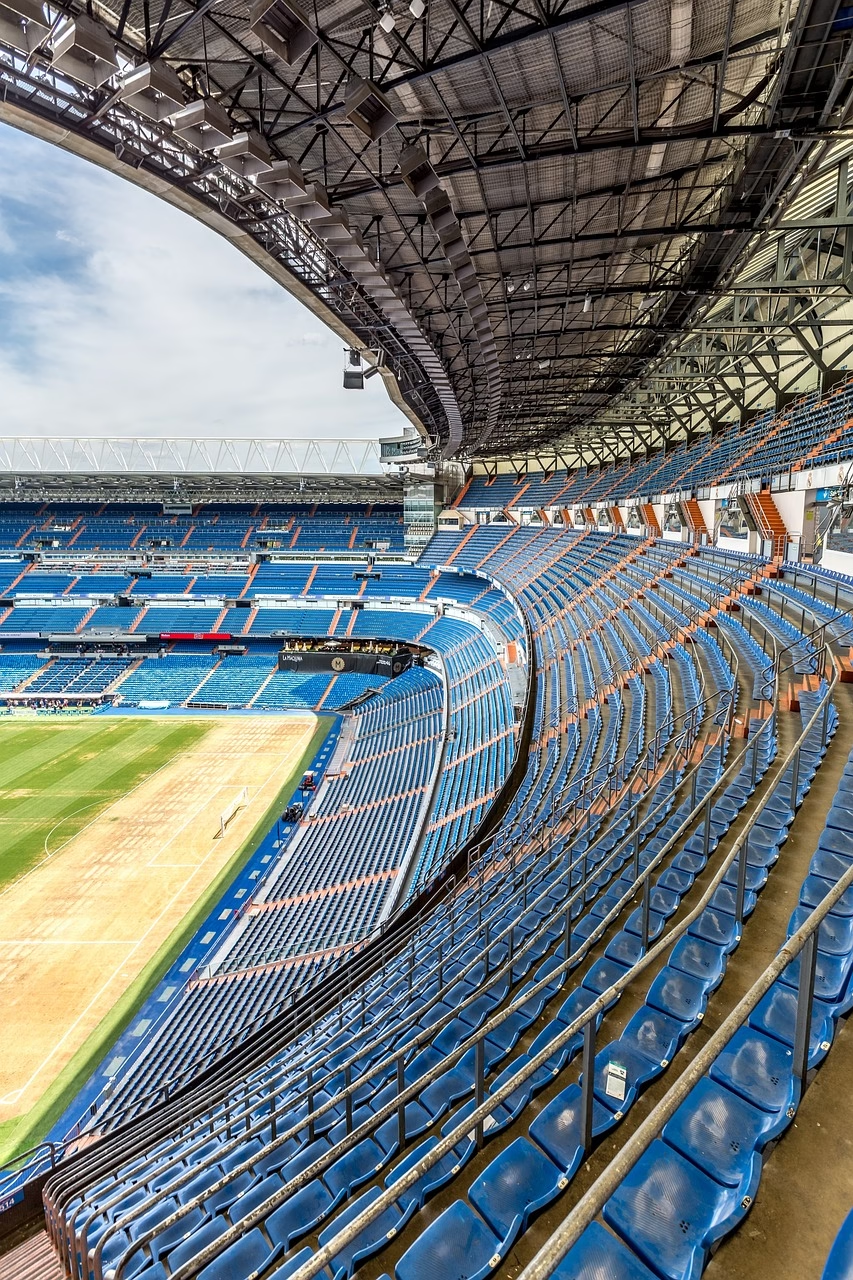
A Historic Stage for the Modern Game
Estadio Azteca in Mexico City, a monolithic structure renowned for its intimidating atmosphere, is undergoing extensive renovations to serve as the centerpiece for the 2026 FIFA World Cup. As the only stadium in history to host two World Cup finals, the venue remains the spiritual heart of Mexican football, poised to welcome the world once again in June 2026.
A Legacy Carved in Concrete
Opened in 1966, the ‘Colossus of Santa Ursula’ has witnessed the crowning of legends like Pelé in 1970 and Diego Maradona in 1986. With a capacity that has historically exceeded 100,000 spectators, the stadium is famous for its steep, bowl-like design that traps sound and creates a deafening acoustic environment for visiting teams.
For decades, the venue has served as a psychological fortress for the Mexican national team. Generations of international players have described the experience of playing there as a unique trial, characterized by high altitude, intense heat, and the relentless pressure of a crowd that frequently expresses its passion through vocal intensity and projectiles.
Modernization in an Era of Change
FIFA requirements for the 2026 tournament have necessitated a comprehensive modernization plan to ensure the stadium meets contemporary safety and broadcast standards. Architects are currently focused on upgrading the stadium’s infrastructure, including the installation of advanced technology, improved luxury suites, and enhanced fan amenities, all while preserving the historic character of the original structure.
Renovations are expected to cost hundreds of millions of dollars, funded through a partnership between private investors and local authorities. The project aims to balance the need for high-tech connectivity with the stadium’s deep-rooted cultural identity, ensuring that the ‘Azteca experience’ remains as visceral as it was in the 20th century.
Economic and Cultural Impact
Beyond the pitch, the stadium’s role in the 2026 World Cup represents a significant economic driver for Mexico City. Industry analysts at the Mexican Tourism Board suggest that the tournament will generate substantial revenue through hospitality, infrastructure development, and increased international tourism.
The stadium also functions as a cultural landmark, representing the resilience and ambition of Mexican sports infrastructure. Its role as the tournament’s opening venue serves as a statement of intent for the country’s ability to host world-class events on the global stage.
The Road Ahead
As the countdown to 2026 accelerates, observers are watching how the stadium’s management will balance the introduction of premium seating with the need to maintain the stadium’s famous, high-energy atmosphere. The success of these renovations will likely set a new benchmark for how heritage stadiums can successfully transition into the modern era of professional sports.
Stakeholders in the global football community will be monitoring the upcoming test events scheduled for early 2026 to see if the upgrades effectively mitigate the logistical challenges of such a massive venue. The world will be watching to see if the Azteca can reclaim its title as the most daunting and iconic stage in international football.