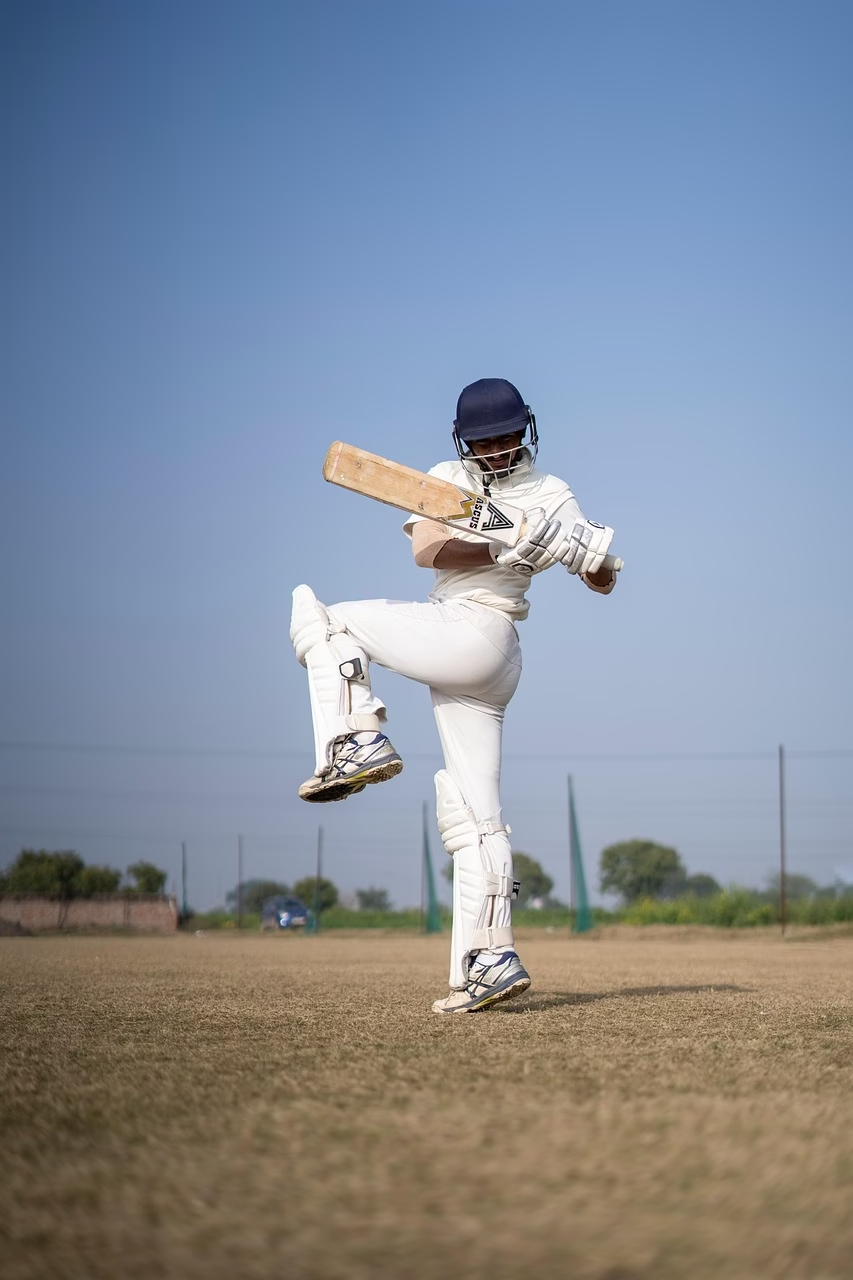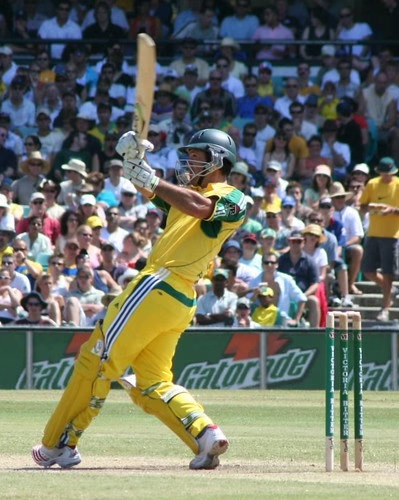




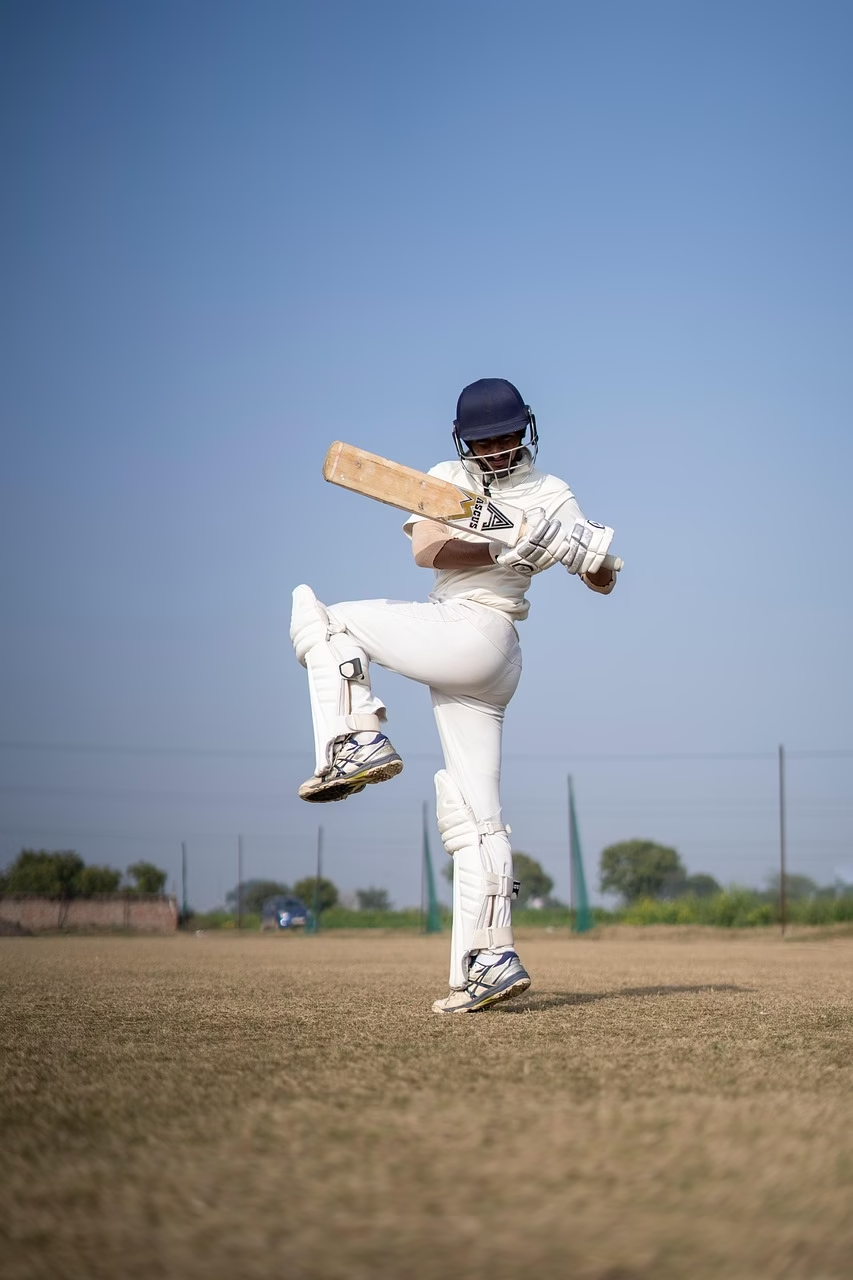
Fifteen-year-old batting prodigy Vaibhav Sooryavanshi has made history this week, becoming the youngest player ever selected for the Indian T20I cricket squad. Following a series of record-breaking performances in domestic circuits, the Board of Control for Cricket in India (BCCI) officially announced his inclusion, signaling a strategic shift toward nurturing generational talent at the earliest possible stage.
A Historic Milestone in Indian Sports
Sooryavanshi’s selection shatters the long-standing record previously held by legendary cricketer Sachin Tendulkar. By securing a spot in the national setup at just 15, the young athlete has drawn immediate comparisons to the sport’s greatest icons.
Chief Selector Ajit Agarkar addressed the media, confirming that Sooryavanshi’s selection was purely merit-based. “With his performances, he has forced us to pick him,” Agarkar stated, noting that the management holds high hopes for the teenager’s development on the international stage.
The Context of Rapid Development
The decision to fast-track a 15-year-old highlights the BCCI’s aggressive approach to talent identification. Historically, Indian cricket has relied on a rigid progression through Under-19 and domestic first-class systems before considering players for the senior national team.
However, recent data from domestic leagues suggests that the gap between youth cricket and professional standards is narrowing. Analysts point to the rise of specialized coaching and high-performance academies as the primary drivers behind the readiness of players like Sooryavanshi.
Expert Perspectives and Industry Support
The move has received broad support from the international cricketing community. Several former England cricketers have publicly urged Indian selectors to give Sooryavanshi playing time during the upcoming Ireland T20I series, arguing that exposure to international conditions is vital for his growth.
The BCCI has also taken proactive measures to ensure the young star’s transition is seamless. Reports indicate that the board is set to cover all expenses related to his training, nutrition, and mental conditioning. This institutional backing is designed to insulate the teenager from the immense pressure of global media scrutiny.
Industry Implications
For the cricket industry, Sooryavanshi’s inclusion serves as a case study for talent management. It validates the efficacy of early-age scouting programs and suggests that future squad selections may lean more heavily toward raw potential rather than traditional experience.
This shift could force other cricketing nations to re-evaluate their own youth development pathways. If Sooryavanshi successfully navigates the pressures of his debut, it is likely that other boards will lower the age barrier for international participation to remain competitive.
Moving forward, the focus shifts to how the team management integrates the youngster into the starting XI. Observers are keenly watching for his debut performance, which will determine whether this bold selection becomes a blueprint for future generations or remains an outlier in Indian cricket history.