


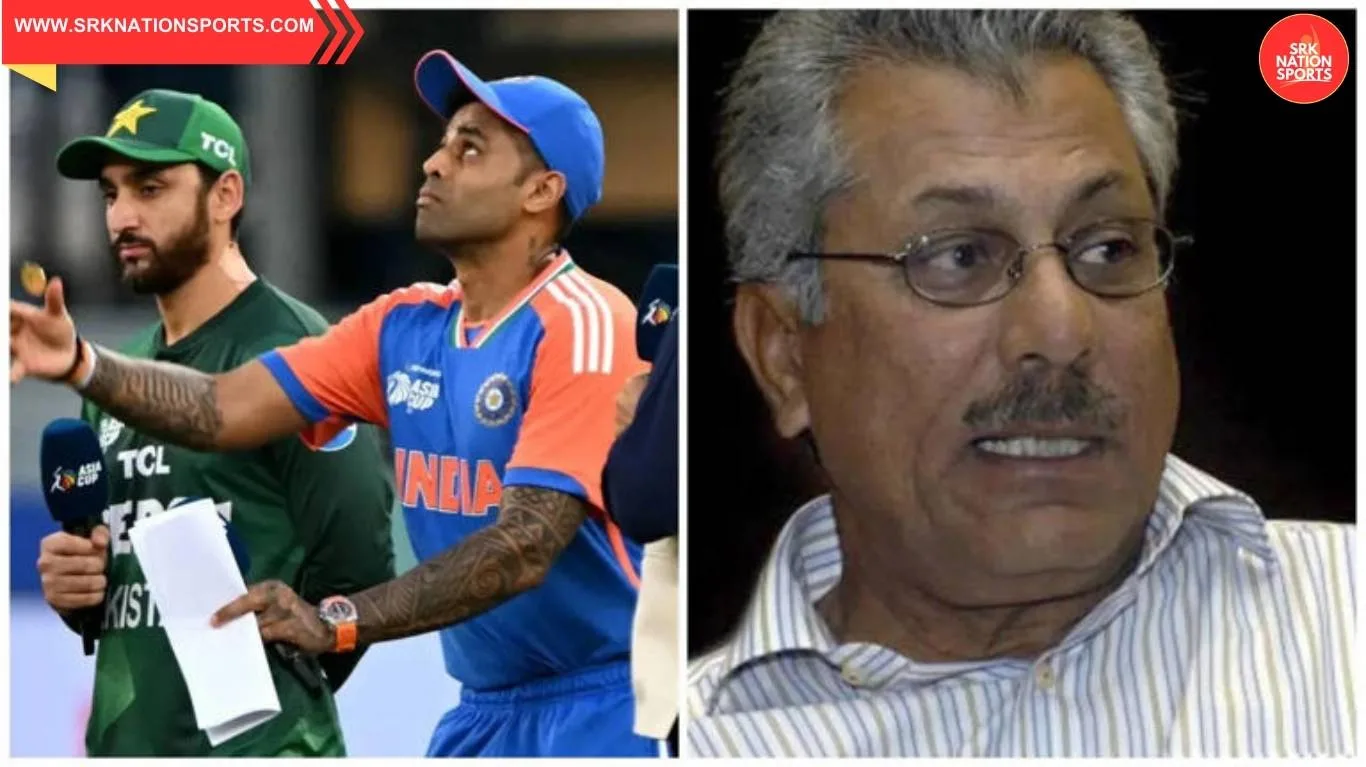
Former Pakistan cricket captain and legendary batsman Zaheer Abbas has stirred controversy by blaming India for Pakistan’s boycott of the upcoming T20 World Cup. Abbas accused the Board of Control for Cricket in India (BCCI) of “mixing politics with sports,” claiming that political tensions have overshadowed cricketing ties between the two nations. His remarks have reignited debates about the intersection of politics and sports, particularly in the context of India-Pakistan cricket relations.
Background of the Boycott
Pakistan’s decision to boycott the T20 World Cup has shocked cricket fans worldwide. The move comes amid escalating political tensions between India and Pakistan, with cricket once again caught in the crossfire. Zaheer Abbas, popularly known as the “Asian Bradman,” has openly criticized India’s role, alleging that the BCCI’s influence has created an environment where Pakistan feels compelled to withdraw.
Key points of the boycott:
- Pakistan’s Withdrawal: Official boycott of the T20 World Cup.
- Zaheer Abbas’s Statement: India accused of politicizing cricket.
- BCCI’s Role: Alleged dominance in ICC decisions.
- Impact on Fans: Disappointment across cricketing communities.
Zaheer Abbas’s Accusations
Zaheer Abbas stated that cricket should remain separate from politics, but India’s stance has blurred the lines. He accused the BCCI of leveraging its financial and political clout to influence international cricket decisions. Abbas emphasized that Pakistan’s boycott was not just a sporting decision but a response to what he described as India’s “unfair dominance.”
| Issue Raised by Abbas | Allegation Against India | Impact on Cricket |
|---|---|---|
| Political Influence | BCCI mixing politics with sports | Boycott decision |
| ICC Decisions | India’s dominance in ICC | Reduced neutrality |
| Bilateral Relations | No cricketing ties | Fans deprived of contests |
| Global Image | Politics overshadowing sports | Negative perception |
Historical Context of India-Pakistan Cricket Tensions
Cricket between India and Pakistan has long been more than just a sport—it has been a reflection of political relations. Over the decades, bilateral series have been suspended multiple times due to political disputes.
| Period | Cricketing Status | Reason for Suspension |
|---|---|---|
| 1999–2003 | Limited matches | Political tensions, Kargil conflict |
| 2008–2012 | No bilateral series | Mumbai terror attacks |
| Post-2016 | No bilateral cricket | Cross-border conflicts |
| 2026 | Pakistan boycott T20 WC | Political disputes |
The boycott adds another chapter to the long history of disrupted cricket ties between the two nations.
Impact on the T20 World Cup
Pakistan’s absence from the T20 World Cup will have significant implications:
- Competitive Balance: One of the strongest teams missing from the tournament.
- Fan Engagement: Millions of fans deprived of India-Pakistan clashes.
- Commercial Impact: Reduced viewership and sponsorship opportunities.
- Global Perception: Questions about cricket’s ability to remain apolitical.
Analysis of the Boycott
| Factor | Traditional Challenge | Current Scenario (2026) | Outcome Achieved |
|---|---|---|---|
| Politics | Influence on sports | India-Pakistan tensions | Boycott decision |
| ICC Neutrality | Maintaining fairness | Alleged BCCI dominance | Perception issues |
| Fan Expectations | India-Pakistan rivalry | No bilateral matches | Disappointment |
| Commercial Value | Sponsorship & broadcasting | Reduced due to boycott | Financial loss |
| Sports Diplomacy | Using cricket for peace | Failure to separate politics | Strained ties |
Reactions from Cricketing Circles
Zaheer Abbas’s comments have sparked mixed reactions:
- Support in Pakistan: Many former players and fans back Abbas’s stance, accusing India of politicizing cricket.
- Criticism in India: Analysts argue that Pakistan’s boycott is politically motivated and unfair to the sport.
- Global Concerns: International cricket experts worry about the precedent this sets for future tournaments.
Fan Sentiment
Fans across the globe have expressed disappointment at the absence of India-Pakistan matches, which are often considered the pinnacle of cricketing rivalry. Social media platforms have been flooded with debates, with many calling for cricket to rise above political disputes.
Future Outlook
The boycott raises questions about the future of India-Pakistan cricketing ties. Key areas to watch include:
- ICC’s Role: Whether the governing body can mediate and ensure neutrality.
- BCCI’s Influence: Continued dominance in global cricket decisions.
- Pakistan’s Stance: Whether the boycott will extend to other formats.
- Fan Pressure: Growing demand for cricket to remain apolitical.
Analysts believe that unless political relations improve, cricket between India and Pakistan will continue to suffer, depriving fans of one of the sport’s greatest rivalries.
Conclusion
Zaheer Abbas’s accusations against India and the BCCI highlight the deep-rooted challenges of separating politics from sports. Pakistan’s boycott of the T20 World Cup underscores the fragile nature of cricketing ties between the two nations. While the decision has disappointed fans worldwide, it also raises critical questions about the governance of international cricket and the role of politics in shaping sporting events.
Disclaimer
This article is intended for informational and analytical purposes only. It is based on publicly available statements and general cricketing developments. It does not constitute political endorsement or investment advice. Readers are encouraged to verify facts independently and consider multiple perspectives before forming conclusions.