



Italian tennis star Matteo Berrettini officially withdrew from the French Open on Monday, citing a recurring injury that has once again derailed his pursuit of a maiden Grand Slam title. The 28-year-old athlete, who has consistently battled physical setbacks over the past three seasons, announced his departure from the clay-court tournament in Paris, marking yet another premature exit in a career increasingly defined by physical fragility.
A History of Physical Setbacks
Berrettini’s career has been a rollercoaster of high-level performance and sidelined frustration. Since reaching the Wimbledon final in 2021, the former world number six has struggled to maintain a consistent schedule on the ATP Tour.
Multiple abdominal, ankle, and hand injuries have kept the Rome native out of major competitions for extended periods. This latest withdrawal underscores the growing difficulty athletes face in managing the grueling physical demands of the modern professional tennis calendar.
The Psychological Toll of Repeated Withdrawals
Addressing the press following his decision, Berrettini expressed deep exhaustion regarding the cycle of training, competing, and forced withdrawal. He noted that he is “tired of retiring” from matches, highlighting the mental burden that accompanies chronic physical instability.
Sports psychologists suggest that the cumulative effect of recurring injuries can lead to significant performance anxiety. For elite athletes like Berrettini, the pressure to return to peak form often conflicts with the body’s need for long-term recovery.
Analyzing the Physical Demands of Clay
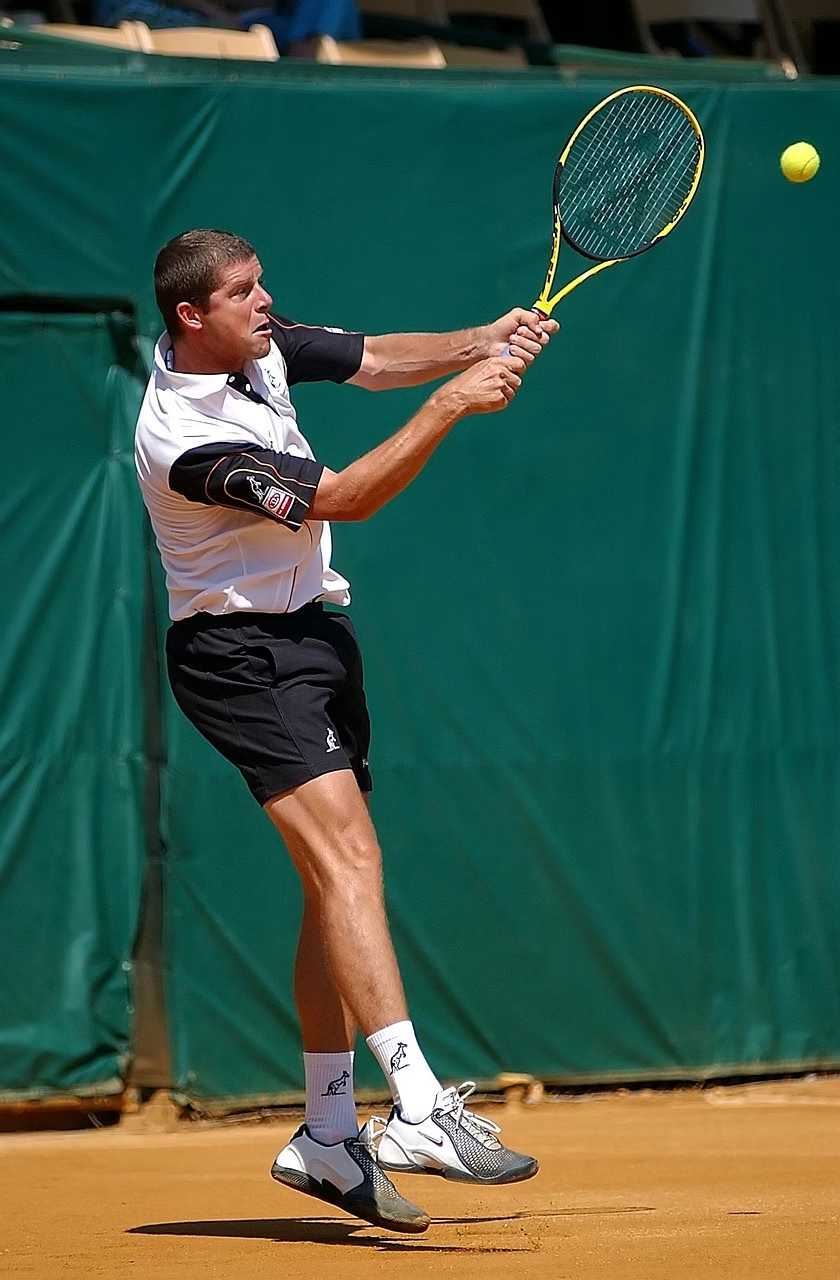
The French Open, held at Roland-Garros, is widely considered the most physically punishing event in tennis due to the slow surface and the need for prolonged rallies. The surface requires aggressive sliding and explosive movement, which puts immense strain on the joints and ligaments of the lower body.
Data from the Association of Tennis Professionals (ATP) indicates a steady rise in injury-related withdrawals among top-tier players over the last five years. Experts point to the shortened off-season and the increased speed of play as primary contributors to this trend.
Broader Implications for the Tour
This withdrawal raises critical questions regarding the sustainability of the current tennis schedule. As the sport pushes toward a more condensed calendar to maximize revenue and fan engagement, the toll on players’ physical longevity remains a point of contention between governing bodies and athlete unions.
For fans and sponsors, the absence of high-profile players like Berrettini impacts the commercial viability of marquee events. The industry is now facing a pivotal moment where player welfare must be reconciled with the commercial growth of the sport.
What to Watch Next
As the French Open progresses, observers will be looking to see if other top seeds face similar physical fatigue. Looking ahead, the focus for Berrettini will shift toward rehabilitation and a potential return for the grass-court season, where his game has historically thrived. The broader tennis community will monitor whether the ATP implements structural changes to the calendar in the coming year to mitigate the epidemic of injuries currently impacting the sport’s biggest stars.