
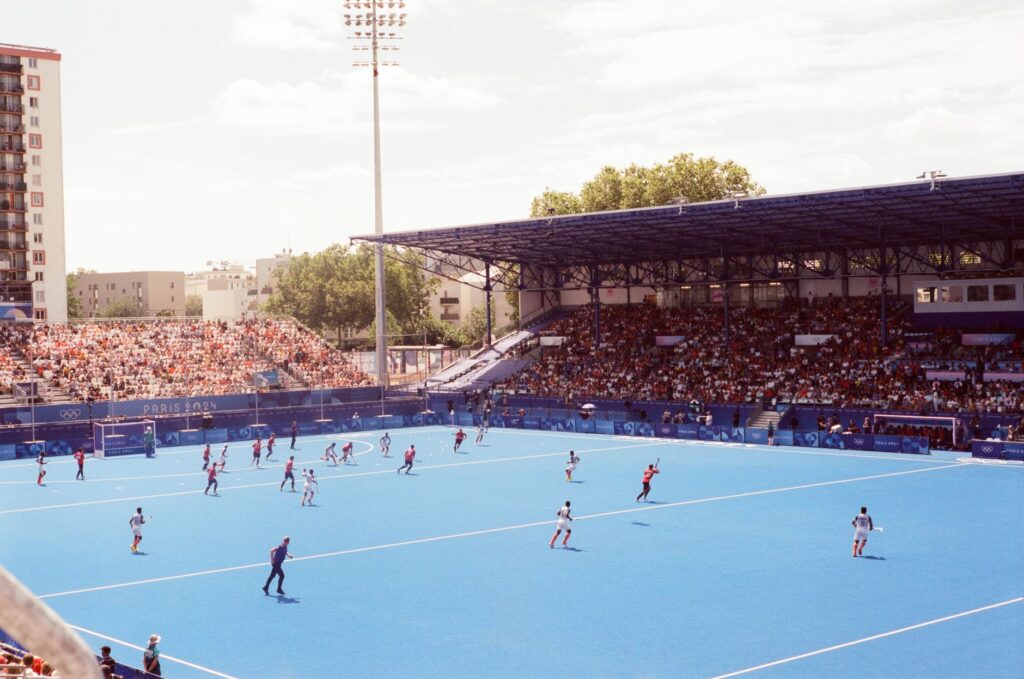

The icons of India’s historic 1975 Hockey World Cup victory have issued a poignant appeal to the current national team, urging them to reclaim global glory. Legendary players Ashok Kumar and Aslam Sher Khan expressed their desire to see the modern squad end a medal drought that has lasted more than half a century.
Speaking to various media outlets, the veterans emphasized that the 51-year wait for a World Cup medal has been far too long for a nation with such a rich hockey pedigree. They called upon the team, currently led by ace drag-flicker Harmanpreet Singh, to play with a sense of national mission and purpose.
The Legacy of 1975 and the Long Wait
India’s only World Cup gold came in 1975 during the tournament held in Kuala Lumpur, Malaysia. Under the captaincy of Ajit Pal Singh, the team defeated arch-rivals Pakistan 2-1 in a thrilling final that remains etched in the annals of Indian sporting history.
Ashok Kumar, the son of the legendary Major Dhyan Chand and the man who scored the winning goal in that 1975 final, noted that the current generation possesses the talent but needs the mental fortitude to cross the finish line. According to official records, India has not reached the semi-finals of a World Cup since that historic triumph, a statistic that the veterans find difficult to reconcile with.
Aslam Sher Khan, the defender whose crucial goal in the 1975 semi-final against Malaysia paved the way for the title win, echoed these sentiments. He stated that while the game has evolved significantly in terms of speed and technology, the core requirement of playing for the flag remains unchanged.
The Modern Context and Harmanpreet Singh’s Leadership
The current Indian men’s hockey team is widely regarded as one of the most physically fit and tactically sound units in recent history. Under the leadership of Harmanpreet Singh, the team has secured significant milestones, including a bronze medal at the Tokyo Olympics, which broke a 40-year Olympic medal jinx.
However, the World Cup has remained an elusive prize. In the most recent editions, India has struggled to capitalize on home-ground advantages and high-pressure situations against European powerhouses like Belgium and the Netherlands.
Official data from recent international fixtures shows that India remains a top-five contender in the FIH rankings. Despite this, the lack of a World Cup podium finish remains a glaring gap in the resume of a team that has otherwise shown remarkable consistency in the Pro League and Asian competitions.
Strategic Advice from the Veterans
The 1975 heroes have urged the current coaching staff and players to focus on situational awareness during the closing minutes of high-stakes matches. They highlighted that modern hockey is decided by fine margins, where a single lapse in concentration can negate 59 minutes of hard work.
Ashok Kumar suggested that the team must diversify its attacking strategies beyond relying solely on penalty corners. While Harmanpreet Singh is one of the world’s most lethal drag-flickers, the veterans believe that field goals are essential to destabilizing disciplined European defenses.
Aslam Sher Khan emphasized the importance of defensive coordination. He pointed out that the legends of the past were successful because they communicated constantly on the field, a trait he believes is vital for the current squad to master if they are to withstand the pressure of a World Cup knockout stage.
Impact on the Sport and National Morale
A podium finish at the next World Cup would do more than just add a trophy to the cabinet; it would solidify the resurgence of hockey as a premier sport in India. Analysts suggest that a World Cup medal would trigger a surge in grassroots participation and attract further corporate investment into the sport.
The emotional impact on the fans cannot be overstated. For a generation that has only heard stories of the 1975 triumph, seeing the modern team lift a medal would bridge the gap between the golden era and the contemporary age of Indian hockey.
The industry surrounding the sport, including equipment manufacturers and local academies, stands to benefit from the increased visibility that a successful World Cup campaign would provide. It would also validate the long-term investments made by the government and various state sports bodies over the last decade.
What to Watch Next
As the international hockey calendar progresses, all eyes will be on the preparation camps and the tactical adjustments made by the Indian management. The team is expected to participate in several high-profile invitational tournaments and the FIH Pro League to fine-tune their strategies.
Observers will be looking for signs of increased clinical finishing in the final third and a more robust defensive structure. The integration of younger players into the squad alongside veterans like PR Sreejesh and Manpreet Singh will also be a key factor to watch.
The ultimate goal remains clear: to honor the legacy of the 1975 champions by finally ending the half-century wait for a World Cup medal. The words of Ashok Kumar and Aslam Sher Khan serve as a reminder that the weight of history is not just a burden, but a source of inspiration for the challenges ahead.
Disclaimer: This article is published for general news and informational purposes only. While every effort has been made to ensure accuracy, readers are advised to verify important information from official sources. The publisher shall not be responsible for any loss or inconvenience arising from reliance on the information published.