
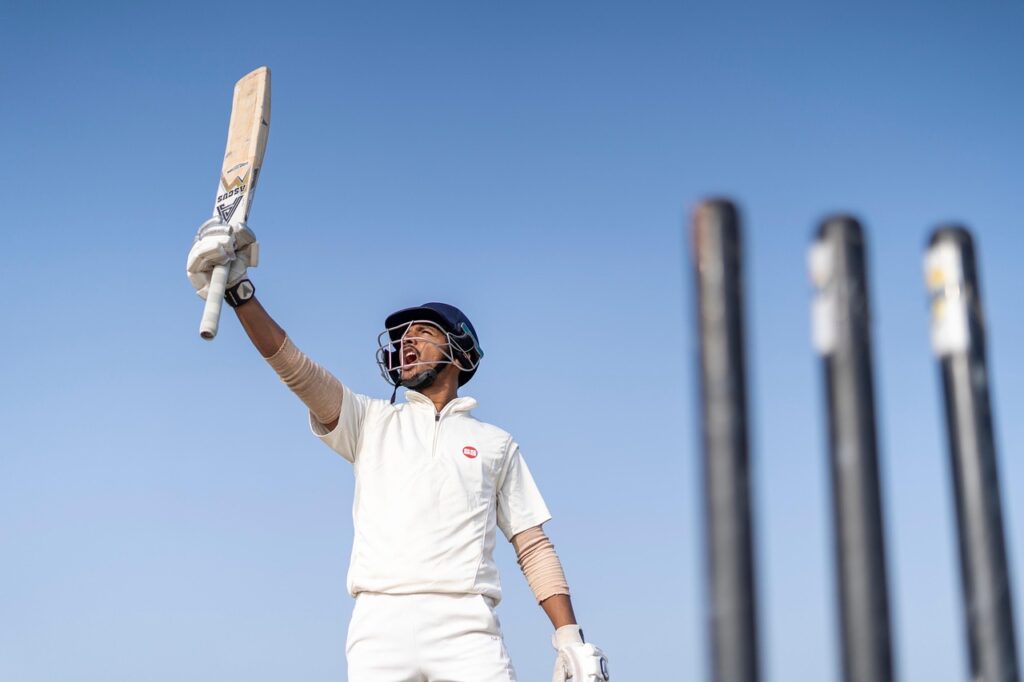

Thirteen-year-old Vaibhav Sooryavanshi etched his name into the annals of Indian cricket history this January when he made his first-class debut for Bihar against Mumbai in the Ranji Trophy at the Moin-ul-Haq Stadium in Patna. The young left-hander’s introduction to the professional circuit, occurring 37 years after Sachin Tendulkar’s legendary debut, has ignited a global conversation regarding the emergence of child prodigies in high-stakes sport. Despite a modest score in his opening outing, Sooryavanshi’s composure against a formidable Mumbai bowling attack signaled the arrival of a talent that many experts believe could redefine the trajectory of domestic cricket.
The Historical Context of the Teenage Debut
The debut of a teenager in the Ranji Trophy carries a weight of expectation unlike any other in Indian sports. In 1988, a 15-year-old Sachin Tendulkar debuted for Mumbai, scoring a century and setting the stage for a career that would span two decades and dozens of records. Sooryavanshi, debuting at an even younger age, enters a landscape where the scrutiny of social media and the intensity of modern training regimens have heightened the pressure on young athletes.
Historically, Indian cricket has occasionally fast-tracked exceptional talents, but a 13-year-old appearing in a first-class match remains an extreme rarity. The jump from age-group cricket—where Sooryavanshi dominated the Vinoo Mankad Trophy—to the senior level requires a significant adjustment in physical strength and psychological resilience. His inclusion in the Bihar squad was not merely a symbolic gesture but a response to his prolific run-scoring at the U-19 level, where he amassed hundreds with a maturity that belied his years.
A Trial by Fire Against Mumbai
Facing Mumbai is widely considered the ultimate litmus test for any debutant in Indian domestic cricket. The 41-time champions brought a seasoned bowling lineup to Patna, providing a stark contrast to the school-level competition Sooryavanshi had faced just months prior. Observers noted that while the young batter appeared visibly small against the towering presence of senior fast bowlers, his technique remained remarkably sound under duress.
During his time at the crease, Sooryavanshi displayed a compact defensive technique and a willingness to play the ball late, traits typically associated with veteran openers. He faced 28 deliveries in his first innings, managing to navigate the initial swing and seam movement that had troubled more experienced teammates. While he was eventually dismissed for 19, the manner in which he handled the short-pitched delivery—refusing to back away and instead looking to get on top of the bounce—earned him praise from the opposition camp.
Expert Analysis and Statistical Significance
Cricket analysts have highlighted Sooryavanshi’s hand-eye coordination as his primary asset. Technical experts point to his high elbow and still head position at the point of contact as indicators of a classical education in the game. Data from his U-19 season shows an average of over 75, with a strike rate that suggests he can balance aggression with the patience required for multi-day cricket.
Former players have cautioned against premature comparisons to Tendulkar, noting that the physical demands of modern cricket are far more taxing than in the late 1980s. However, the statistical reality is that Sooryavanshi is one of only a handful of players globally to play first-class cricket before turning 14. This puts him in a category of elite outliers, alongside figures like Pakistan’s Mushtaq Mohammad, who also debuted as a young teenager before becoming a mainstay of the international game.
The Psychological and Developmental Implications
The decision to play a 13-year-old at the senior level raises important questions about athlete welfare and long-term development. Sports psychologists argue that while early exposure to high-level competition can accelerate skill acquisition, it also carries the risk of burnout and immense public pressure. For Sooryavanshi, the challenge will be maintaining his love for the game while navigating the expectations of a cricket-obsessed nation.
For the Bihar Cricket Association, Sooryavanshi represents the future of a region that has often struggled for recognition on the national stage. His rise serves as a beacon for other young players in non-metropolitan hubs, proving that the scouting networks are now reaching deeper into the rural heartlands of India. The infrastructure around him will need to be robust, ensuring that his physical growth is managed as carefully as his batting technique.
Looking Ahead: The Road to the National Team
The immediate focus for Sooryavanshi will be the remainder of the domestic season and the upcoming cycles of the India U-19 team. National selectors are reportedly monitoring his progress closely, viewing him as a long-term prospect for the top order. The next twelve months will be critical as he faces more diverse bowling attacks on varying pitches across the country.
The cricket world will be watching to see if Sooryavanshi can translate this early promise into consistent performance at the senior level. The transition from a teenage sensation to a reliable professional is a journey fraught with technical adjustments and mental hurdles. As he continues to grow, both physically and as a cricketer, the shadow of the 1988 debut will remain a constant companion, serving as both a daunting benchmark and a source of inspiration.