
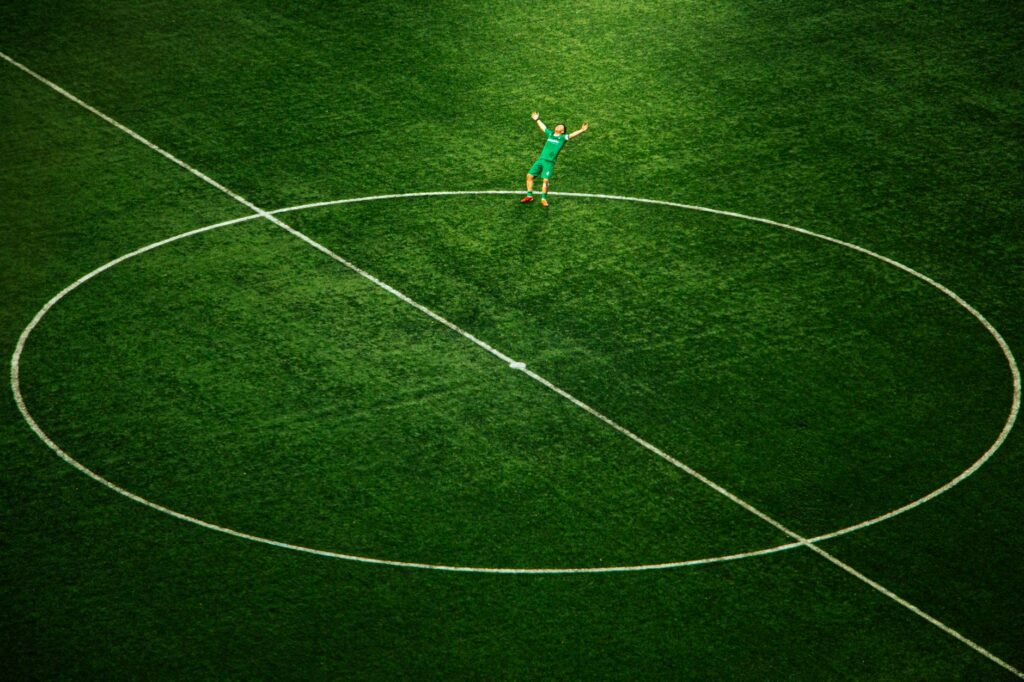

Spain’s national football team secured a historic berth in the 2026 FIFA World Cup final on Tuesday night, delivering a masterclass in possession football to defeat a listless France team at the MetLife Stadium in East Rutherford, New Jersey. The unexpected dominance of La Roja disrupted pre-tournament predictions, setting up a highly anticipated final showdown against either England or Argentina.
The Road to the Final
Entering the semi-final, France carried the weight of expectation as tournament favorites, boasting a star-studded squad that had cruised through the knockout stages. Spain, while respected, were viewed as transitional, relying heavily on a younger generation of talent to rebuild their international dominance.
Historically, matches between these European powerhouses have been tightly contested tactical battles. However, Tuesday’s clash deviated sharply from the script as Spain established control from the opening whistle, exposing defensive vulnerabilities in the French lineup that had previously gone unnoticed.
Tactical Mastery in the Midfield
The foundation of Spain’s victory lay in their midfield engine, orchestrated by Rodri and Fabián Ruiz. The duo dismantled France’s pressing game, maintaining a mesmeric rhythm that starved the French attackers of service for the majority of the 90 minutes.
According to post-match tracking data, Rodri completed 94% of his passes, effectively neutralizing France’s transition play. Ruiz complemented this defensive stability by driving forward, creating overloads that forced the French defense to drop deep and defend narrow.
The breakthrough came early in the second half when Pedro Porro, an unlikely offensive catalyst for Spain, scored a stunning second goal to seal the victory. Porro’s tactical evolution throughout this tournament has transformed him from a defensive liability into a national hero, embodying the adaptability of this Spanish side.
A Listless Showing from France
In contrast, France offered little resistance, looking fatigued and lacking the tactical cohesion that defined their previous campaigns. Star forward Kylian Mbappé was largely isolated, starved of service by a relentless Spanish counter-press that won the ball back within seconds of losing it.
Football analysts have pointed to tactical rigidity as the primary cause of France’s downfall. Manager Didier Deschamps struggled to adjust to Spain’s fluid 4-3-3 formation, leaving his midfield exposed and unable to transition effectively into the final third.
"We simply did not have the energy or the answers tonight," Deschamps admitted in his post-match press conference. "Spain played a perfect game, and we failed to disrupt their rhythm when it mattered most."
The Anticipation Builds for England vs. Argentina
With Spain safely through to the final, global attention now shifts to the second semi-final clash between England and Argentina. The historic rivalry between these two footballing giants adds another layer of drama to an already unpredictable tournament.
England enters the match under intense pressure to reach their second consecutive World Cup final, while Argentina, led by an inspired squad, seeks to replicate their 2022 triumph. The winner of this fixture will face a rested and highly confident Spanish team in the final.
What Lies Ahead for the World Cup Final
Spain’s tactical triumph signals a resurgence of possession-based football, challenging the recent trend of low-block, counter-attacking strategies that have dominated international tournaments. Their ability to control the tempo of the game will force either England or Argentina to rethink their defensive setups ahead of the final.
Analysts suggest that Spain’s fresh approach, combined with the emergence of new stars like Pedro Porro, makes them formidable opponents regardless of who wins the second semi-final. The footballing world now watches to see if La Roja can maintain this flawless form to lift the trophy once again.