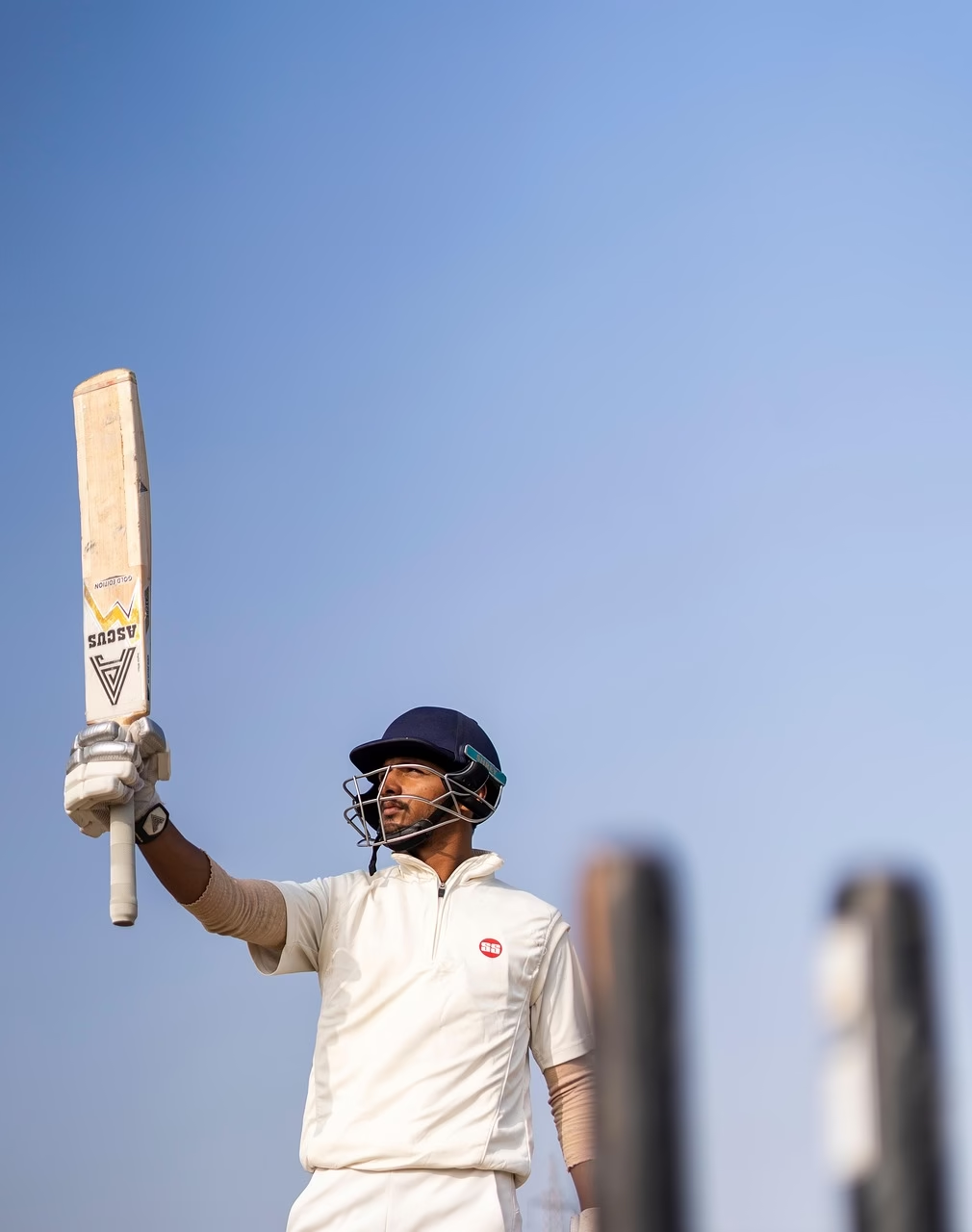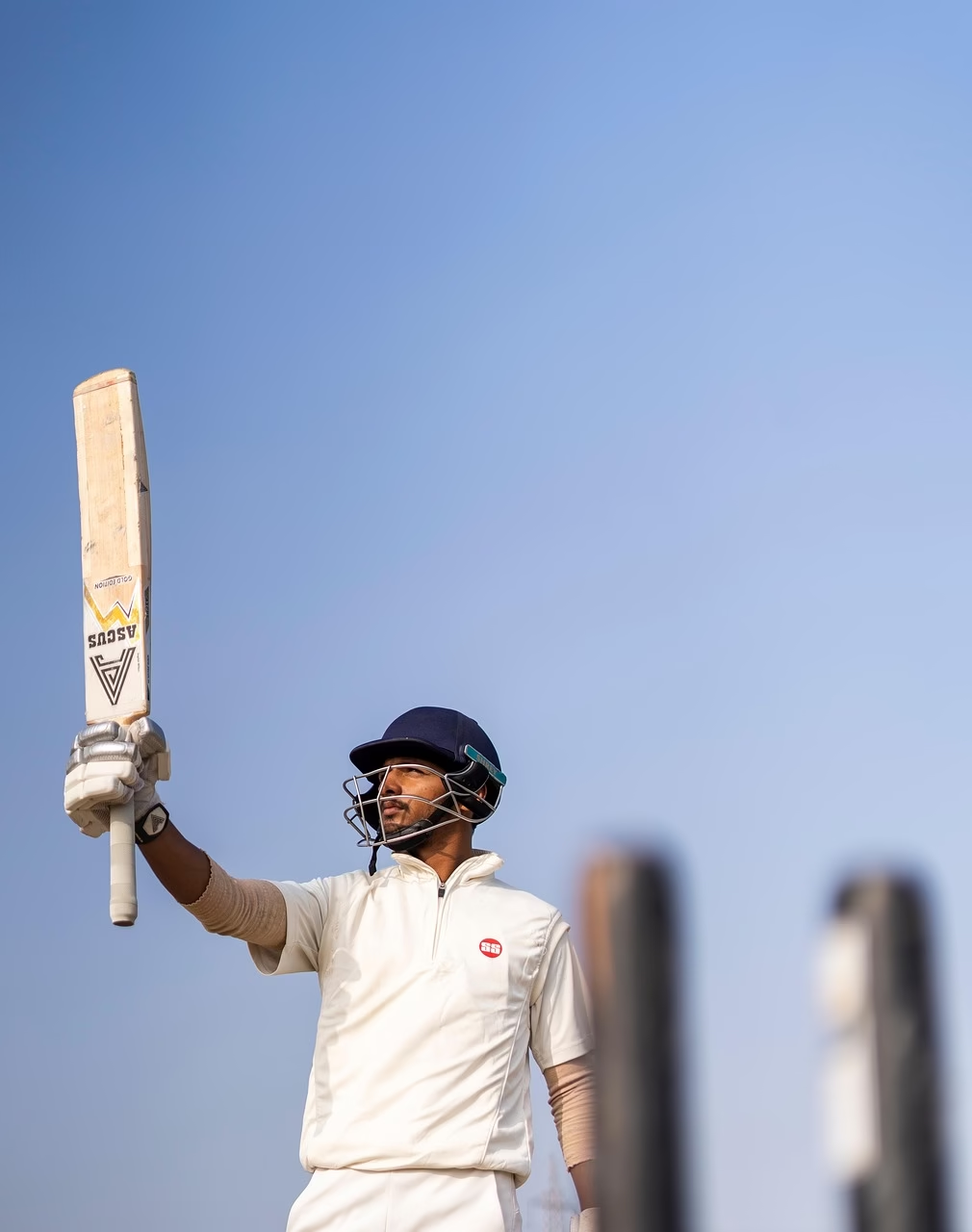






In an unprecedented display of batting dominance, the Indian Premier League (IPL) 2026 season has etched its name into cricket history, with all ten participating franchises recording at least one individual century for the first time in the tournament’s 19-year existence. This remarkable achievement, spread across stadiums nationwide, underscores an extraordinary surge in batting prowess and strategic offensive play witnessed throughout the highly competitive season.
Context: A New Era of Batting Dominance
The IPL, a professional Twenty20 cricket league contested by ten teams based in ten Indian cities, stands as one of the most prestigious and lucrative sports leagues globally. Since its inception in 2008, individual centuries have been a hallmark of exceptional batting, often turning the tide of crucial matches.
Prior to 2026, it was common for several teams to finish a season without a centurion, highlighting the difficulty of reaching the three-figure mark in the fast-paced, high-pressure environment of T20 cricket. This season’s universal achievement shatters previous norms, signaling a significant evolution in player skill and team strategy.
Main Body: Factors Behind the Record-Breaking Season
This historic milestone is not merely a statistical anomaly but a testament to several converging factors influencing modern T20 cricket. Batters across the league, from young sensations like Vaibhav Sooryavanshi to established legends such as Virat Kohli and Quinton de Kock, consistently breached the 100-run mark. This widespread success points to an elevated standard of power-hitting, refined technique, and an aggressive mindset adopted by players.
One primary driver appears to be the strategic shift within franchises. Teams are increasingly investing in specialist power-hitters and providing them with greater license to attack from the outset. Data analysis from the season reveals a higher average strike rate in the powerplay overs compared to previous editions, indicating a deliberate intent to maximize scoring opportunities early in the innings.
Furthermore, improved fitness regimes and sports science have enabled players to maintain peak performance throughout the demanding schedule, contributing to sustained periods of high-intensity hitting. The proliferation of advanced data analytics has also empowered batters. Coaches and analysts provide granular insights into bowler tendencies, pitch conditions, and optimal scoring zones, allowing players to tailor their approach with unprecedented precision.
This data-driven preparation, combined with year-round specialized training focused on power and innovation, has evidently paid dividends. The mental fortitude required to convert a strong start into a century in T20’s high-pressure environment speaks volumes about the psychological conditioning players now undergo.
Pitch conditions also played a subtle yet significant role. While some venues maintained their traditional characteristics, several stadiums prepared surfaces that offered a true bounce and consistent pace, favoring stroke play. This balance allowed batters to execute their shots with confidence, minimizing the risks associated with unpredictable surfaces. However, experts caution against attributing the phenomenon solely to pitches, emphasizing the overwhelming impact of player skill.
Cricket analyst Dr. Rohan Sharma noted, “This isn’t just about flat tracks; it’s about the sheer audacity and skill of modern T20 batters. The game has evolved. Players are fearless, constantly innovating, and have developed a wider range of shots that can clear any boundary rope.” This sentiment is echoed by former national team coach, Anjali Gupta, who added, “The depth of talent across all ten squads is incredible. You’re seeing players who might have been considered ‘bits and pieces’ performers a few years ago now possessing match-winning century-making abilities.”
The record also reflects the increasing professionalism and competitive balance within the IPL. With robust scouting networks and player auctions, teams are assembling well-rounded squads, ensuring that batting firepower isn’t concentrated in just a few franchises. This distribution of talent means that every team possesses individuals capable of producing game-changing innings, elevating the overall quality and excitement of the tournament.
Implications: What This Means for the Future of Cricket
The IPL 2026 season’s centurion record carries profound implications for the future of T20 cricket, both domestically and internationally. For the IPL itself, this trend is likely to drive even greater fan engagement, as high-scoring encounters and individual milestones become more frequent. Broadcasters and sponsors will undoubtedly leverage these narratives, further solidifying the league’s commercial appeal.
Looking ahead, this season could set a new benchmark for batting expectations in T20 leagues worldwide. Other leagues may look to emulate the IPL’s player development pathways and strategic approaches to foster similar levels of batting excellence. International T20 cricket, too, will feel the ripple effect, with national selectors having a wider pool of proven century-makers to choose from, potentially leading to even more explosive team totals and thrilling contests on the global stage.
This surge in high scores may also trigger discussions around pitch preparation guidelines for future seasons, or even subtle adjustments to playing conditions, to ensure a competitive balance between bat and ball. While exciting for fans, a complete dominance by batters could eventually lead to calls for measures to aid bowlers. The record also signals a positive trend for player valuation; consistent century-makers will undoubtedly command premium prices in future auctions, reflecting their match-winning capabilities.
The cricketing landscape is undoubtedly shifting, and IPL 2026 has provided a definitive marker for this transformation, setting a thrilling precedent for what lies ahead. The cricketing world will be watching closely to see how this dynamic evolves in seasons to come.