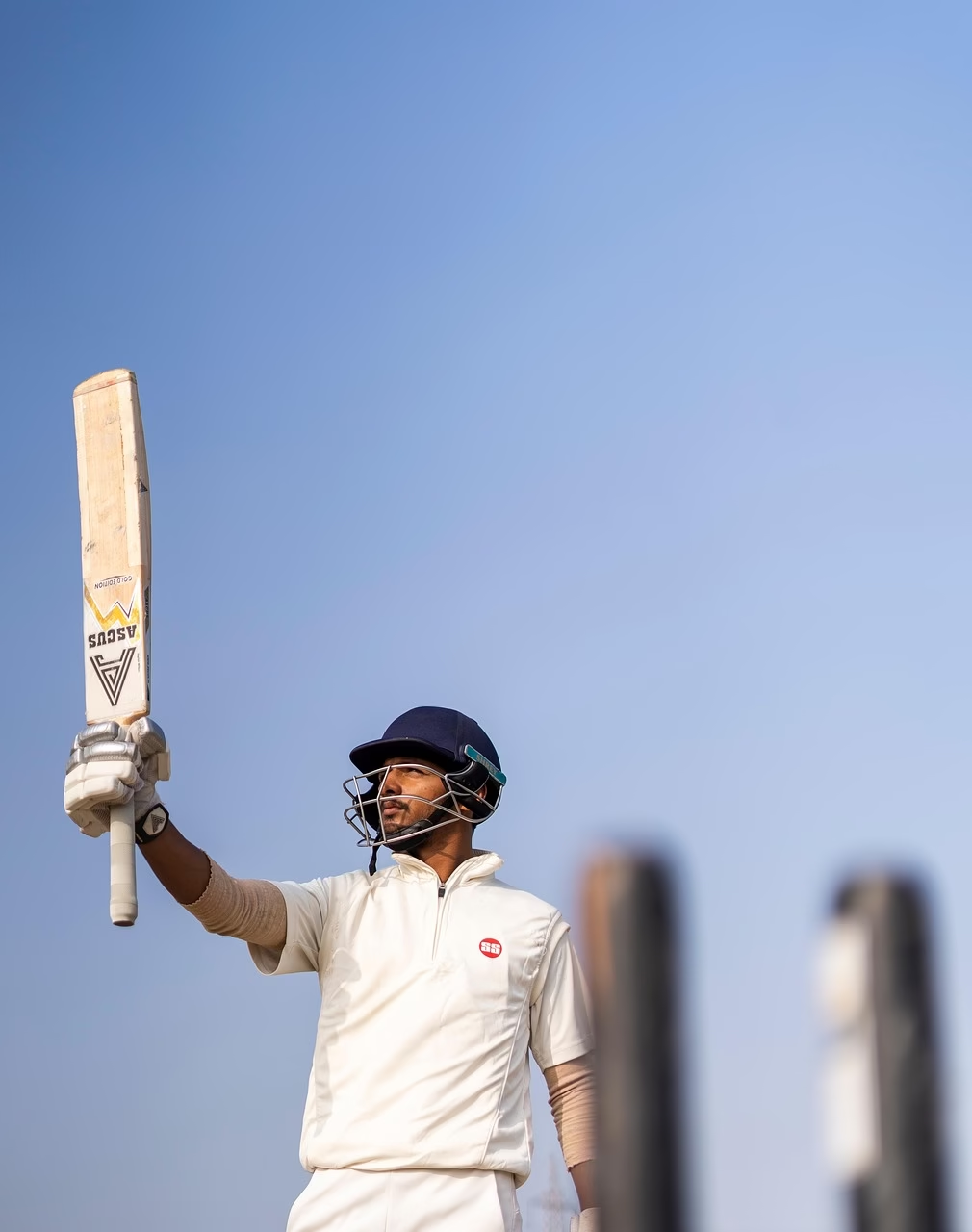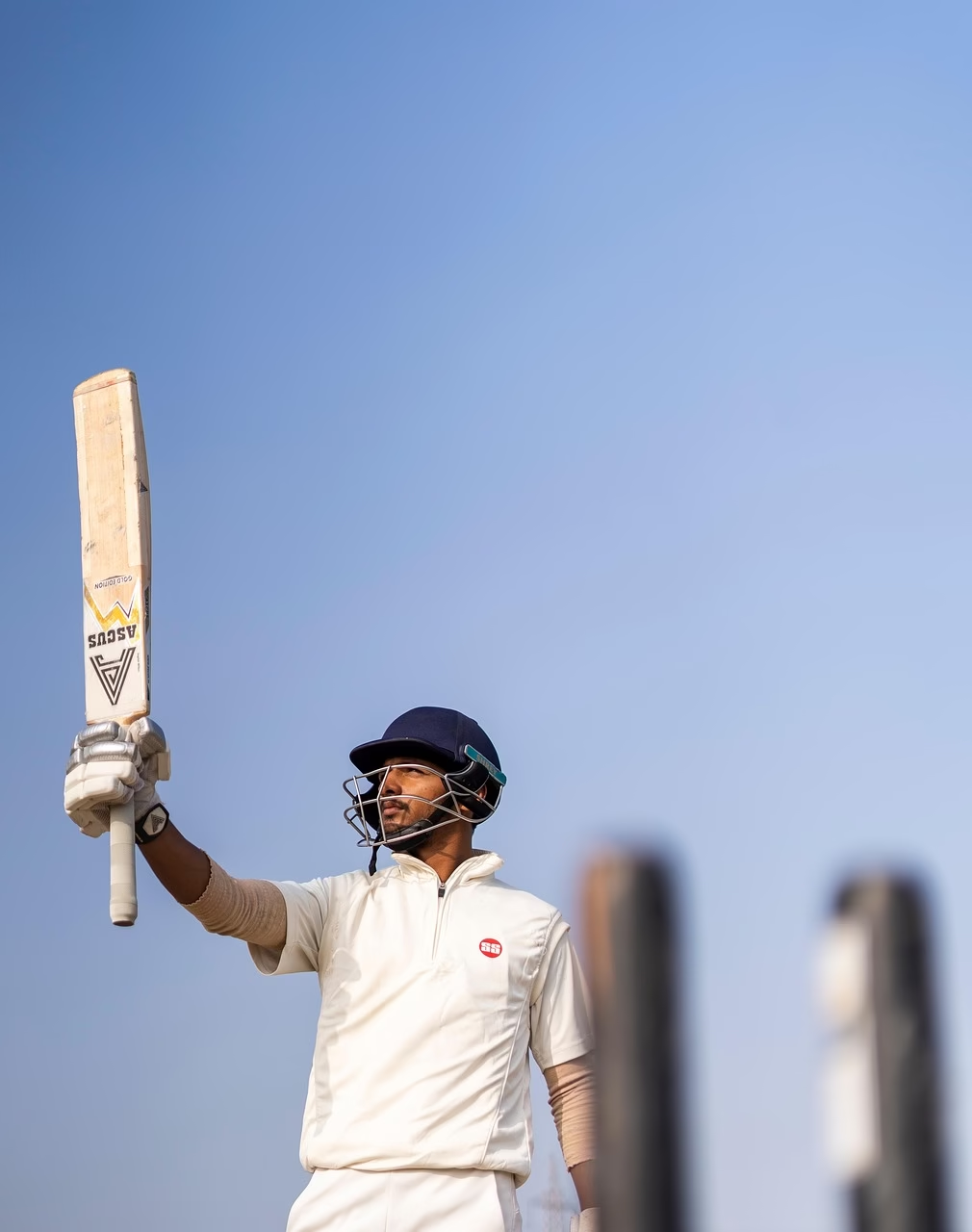



Indian pacer Arshdeep Singh is currently facing a renewed wave of criticism and increasing calls for stricter action regarding his conduct on social media platforms. This scrutiny intensified recently following a sharp online retort to a fan questioning his affiliation with the Punjab Kings, an incident that closely trails an earlier uproar over alleged remarks concerning teammate Tilak Varma’s skin tone. These successive controversies are placing the young bowler’s digital interactions under a harsh spotlight, prompting discussions about athlete professionalism and fan engagement.
Context: The Unfolding Digital Landscape for Athletes
The lives of professional athletes are increasingly intertwined with their online personas, making social media a double-edged sword. While platforms offer direct fan engagement and personal brand building, they also expose athletes to intense public scrutiny and the pitfalls of miscommunication. For cricketers like Arshdeep Singh, who operate under the constant gaze of millions, every digital interaction can be amplified and dissected.
The initial controversy involving Tilak Varma, though details remain largely unconfirmed by official sources, centered on alleged comments perceived as insensitive. This incident first brought Arshdeep’s online presence into question, generating significant debate among fans and commentators alike regarding appropriate behavior in team environments and public forums.
The Controversies: From Teammates to Team Affiliations
The recent flashpoint emerged when Arshdeep Singh responded sharply to a fan’s comment on social media that challenged his loyalty to the Punjab Kings franchise. While the exact phrasing of the fan’s original comment and Arshdeep’s reply is crucial, reports indicate a defensive and perhaps confrontational tone from the bowler. This exchange quickly went viral, reigniting discussions about how athletes should manage criticism and loyalty questions from their fan base.
These incidents highlight the unique pressures faced by athletes who represent both national and franchise teams. Fans often develop strong affiliations, and any perceived wavering of loyalty, even in jest or frustration, can trigger a swift and often aggressive backlash. The digital realm provides an immediate, unfiltered channel for these interactions, often escalating minor disagreements into full-blown controversies.
Historically, sports bodies have grappled with establishing clear guidelines for player conduct on social media. While general codes of conduct exist, the nuances of digital interaction, particularly in real-time, present ongoing challenges. The Board of Control for Cricket in India (BCCI) and individual franchises typically expect players to uphold a certain standard of decorum, both on and off the field, including their online presence.
Navigating the Digital Minefield: Expert Views and Industry Trends
Sports psychologists often point to the immense pressure young athletes face in the public eye. “Social media can be a relentless environment,” says Dr. Priya Sharma, a Chennai-based sports psychologist. “Athletes, particularly those in their early careers, are still developing coping mechanisms for constant public judgment. A single misstep can overshadow their professional achievements.” She emphasizes the need for comprehensive media training that includes digital etiquette and mental resilience strategies.
From a public relations perspective, such incidents can significantly impact an athlete’s brand value. “In today’s media landscape, a player’s reputation is as vital as their performance,” notes Rohan Mehta, a brand consultant specializing in sports. “Brands look for ambassadors who are not only talented but also embody professionalism and positive values. Repeated controversies, especially those involving perceived insensitivity or aggression, can deter potential endorsements and erode fan trust.” Mehta suggests that sports organizations need to proactively educate players on brand management and crisis communication in the digital age.
Data from various sports leagues indicates a global trend towards stricter enforcement of social media guidelines. Incidents ranging from hate speech to inappropriate comments have led to fines, suspensions, and even contract terminations for athletes worldwide. This reflects a broader societal expectation that public figures, including sports stars, adhere to higher standards of conduct both online and offline.
Implications: A Precedent for Player Conduct and Fan Engagement
For Arshdeep Singh, the immediate implications could range from a formal warning to potential disciplinary action from his franchise or the BCCI, depending on the severity of the alleged remarks and the official interpretation of his social media conduct. Beyond disciplinary measures, these controversies risk alienating a segment of his fan base and could impact his marketability for brand endorsements, which are increasingly sensitive to public image.
More broadly, these incidents serve as a critical reminder for all professional athletes about the permanent and far-reaching consequences of online interactions. They underscore the necessity for sports organizations to not only enforce existing codes of conduct but also to continually update and communicate clear, comprehensive social media policies. Player education programs focusing on digital literacy, emotional intelligence in online interactions, and the long-term impact of public perception are becoming indispensable.
For fans, this situation prompts a reflection on the nature of fan-athlete relationships in the digital age. While criticism and passionate support are inherent to sports, the line between constructive feedback and online harassment or provocation remains a delicate one. The evolving landscape demands a more responsible approach from all stakeholders to foster a healthier and more respectful digital environment around sports.
Moving forward, the focus will likely shift to how Arshdeep Singh and his management address these concerns publicly and privately. The actions taken by sports authorities in response to these events could set a precedent for how similar situations are handled in Indian cricket, reinforcing the importance of digital professionalism in an increasingly connected world.