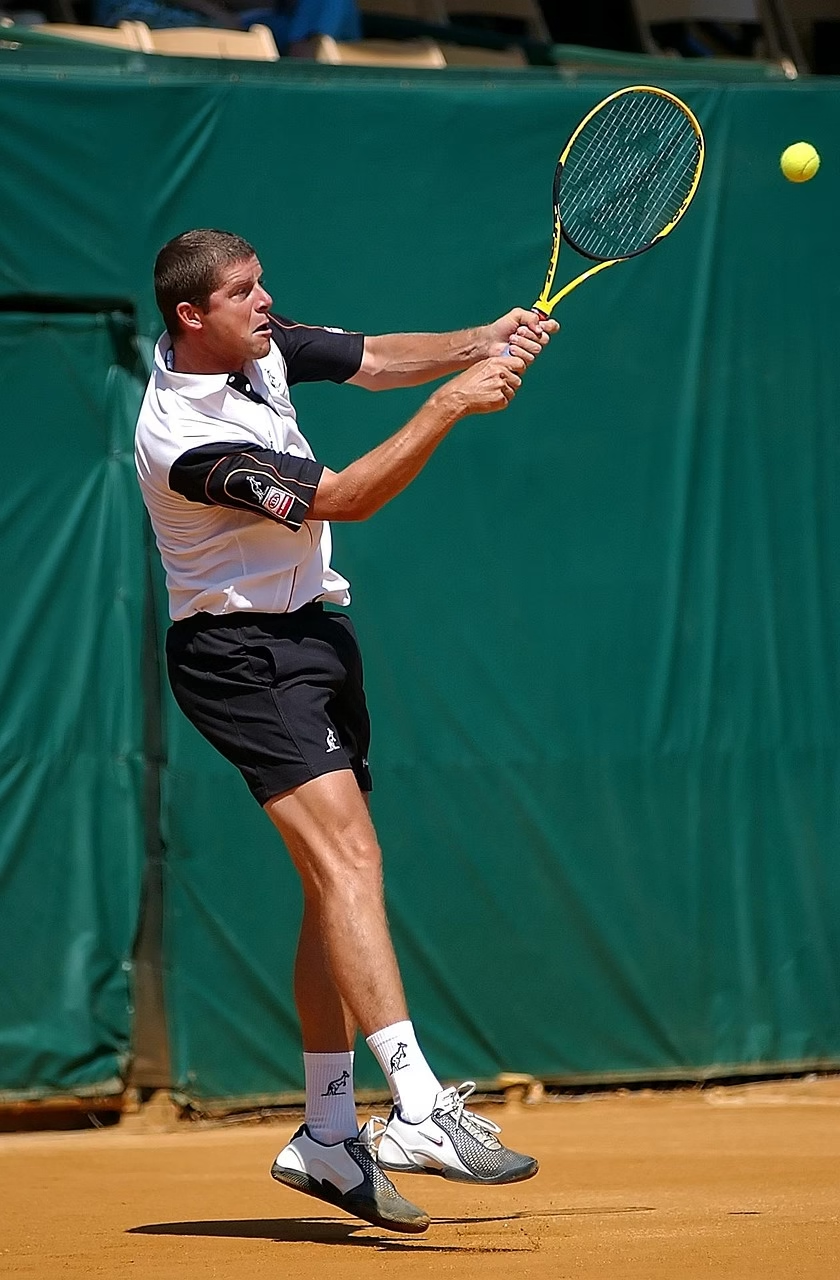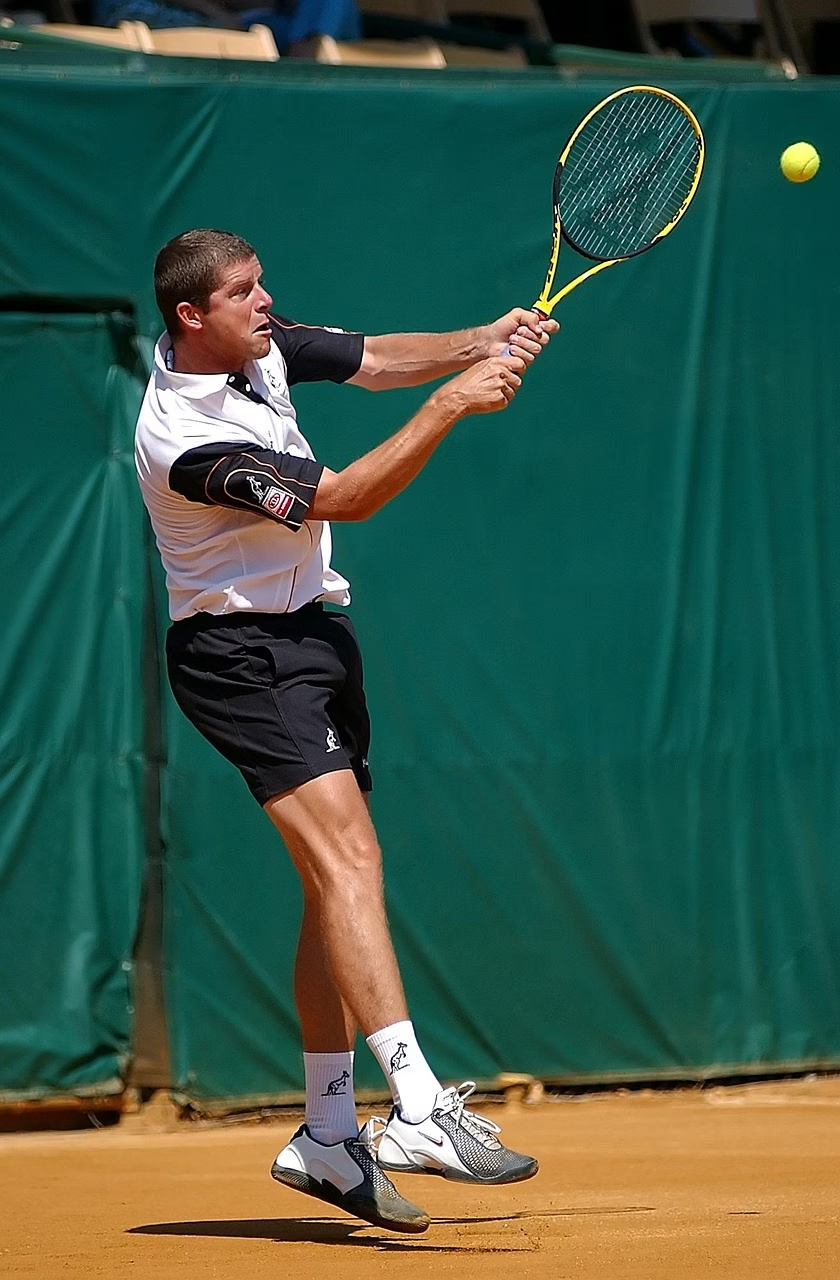




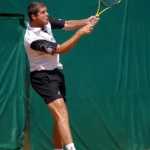


Three-time Grand Slam champion Stan Wawrinka exited the French Open in the first round on Tuesday, marking what is widely expected to be the final appearance of the Swiss veteran at the clay-court major in Paris. The 39-year-old, who captured the tournament title in 2015, fell in straight sets to his opponent, signaling a poignant conclusion to a storied career at the venue that defined his peak years.
A Legacy Defined by Clay
Wawrinka’s history at Roland-Garros is highlighted by his legendary 2015 run, where he defeated Novak Djokovic in the final to secure his second major trophy. That victory remains one of the most significant upsets in modern tennis history, as it denied Djokovic a career Grand Slam at the time.
Throughout his career, Wawrinka was known for possessing one of the most powerful single-handed backhands in the history of the sport. His ability to produce high-velocity winners under pressure made him a perennial threat on the red clay of Paris for nearly two decades.
The Physical Toll of Professional Tennis
Entering the tournament as a wildcard, Wawrinka faced significant scrutiny regarding his physical longevity. The Swiss star has battled numerous knee and foot injuries over the past five years, which have forced him to undergo multiple surgeries and extended absences from the professional tour.
Data from the Association of Tennis Professionals (ATP) indicates that Wawrinka’s match frequency has declined steadily since 2019, reflecting the difficulty of maintaining a top-tier ranking while managing chronic physical setbacks. Despite the drop in results, his presence in the draw served as a tribute to his enduring commitment to the game.
A Changing of the Guard
The departure of a player of Wawrinka’s caliber underscores a broader transition currently taking place within the ATP Tour. As the sport moves away from the era dominated by the ‘Big Three’ and their contemporaries, tournament organizers are grappling with the loss of veteran stars who have driven ticket sales and global interest for twenty years.
Industry analysts point out that the absence of familiar faces like Wawrinka necessitates a shift in marketing strategies for Grand Slam events. Younger players are now tasked with capturing the attention of a global audience that has grown accustomed to the high-stakes rivalries of the previous generation.
Industry Implications and Future Outlook
For Wawrinka, the immediate future remains uncertain, though he has expressed a desire to continue competing on the tour for as long as his body allows. His exit from Paris serves as a reminder of the finite nature of professional athletic careers and the inevitable passage of time in elite sports.
Observers will be watching to see how the French Open handles the transition of its legends in future editions. The focus now shifts toward the upcoming grass-court season, where the spotlight turns to a new generation of contenders attempting to fill the void left by departing icons.