




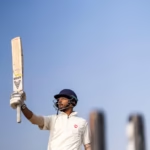

Following a string of breakout performances in the Indian Premier League (IPL), 13-year-old prodigy Vaibhav Sooryavanshi has become the subject of intense national debate regarding a potential fast-track debut for the Indian senior cricket team. While supporters argue that his raw talent warrants immediate inclusion, former Indian cricketer turned commentator Sanjay Manjrekar has publicly urged caution, citing the vast technical divide between T20 leagues and the rigors of international red-ball cricket.
The Evolution of Cricket Development
The conversation surrounding Sooryavanshi highlights a significant shift in how Indian cricket identifies and nurtures talent. Historically, players spent years refining their craft in domestic first-class structures before earning national consideration. Today, the IPL serves as a high-visibility incubator that can propel teenagers into the global spotlight within a single season.
However, analysts note that the demands of international cricket have evolved alongside the game’s commercialization. The pressure on young athletes to perform under the scrutiny of millions has never been greater. Manjrekar’s intervention serves as a reminder that early success in the T20 format does not always translate to the sustained consistency required for Test matches or long-format international competition.
Technical Challenges and Career Longevity
Manjrekar emphasized that comparing modern prospects to legends like Sachin Tendulkar ignores the changing landscape of the sport. Tendulkar’s upbringing was forged in the traditional Indian domestic circuit, which prioritized defensive technique and patience over the aggressive power-hitting favored in modern T20 leagues.
Data from recent scouting reports indicates that while young players like Sooryavanshi possess exceptional hand-eye coordination, the transition to facing international-level fast bowling remains a significant hurdle. Experts suggest that the physiological and psychological development required for a professional career often takes years to stabilize. Rushing this process, they argue, risks burning out talent before it reaches its true peak.
Industry Implications and Future Outlook
For stakeholders in the Board of Control for Cricket in India (BCCI), the situation presents a delicate management challenge. Promoting young players too quickly can lead to inconsistent performance and career volatility, yet failing to acknowledge generational talent could stall the natural progression of the sport.
Industry observers suggest that the focus should remain on creating a robust developmental pipeline that bridges the gap between IPL exhibition and international endurance. This involves increased exposure to high-pressure domestic red-ball matches and mentorship programs that protect young players from the weight of public expectation.
As the next domestic season approaches, the cricket community will be watching how selectors balance the allure of raw, aggressive youth against the necessity of technical depth. Whether Sooryavanshi is eased into the national setup or encouraged to gain further experience in domestic leagues remains the primary question. The trend suggests a move toward more structured, cautious integration, prioritizing long-term career viability over short-term public demand.