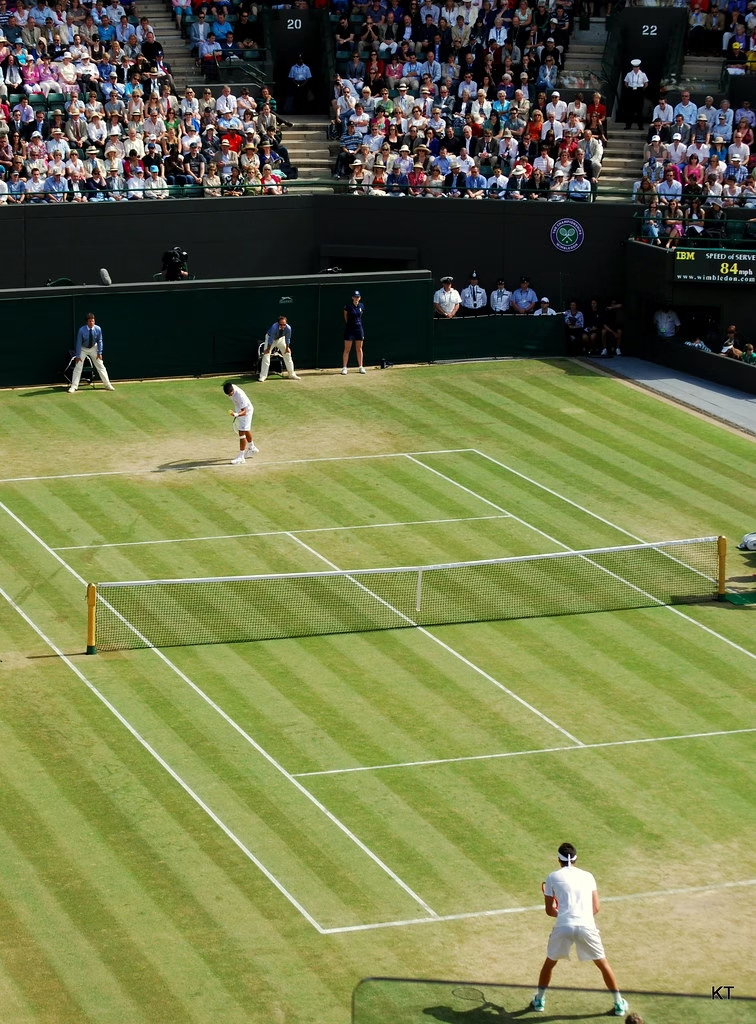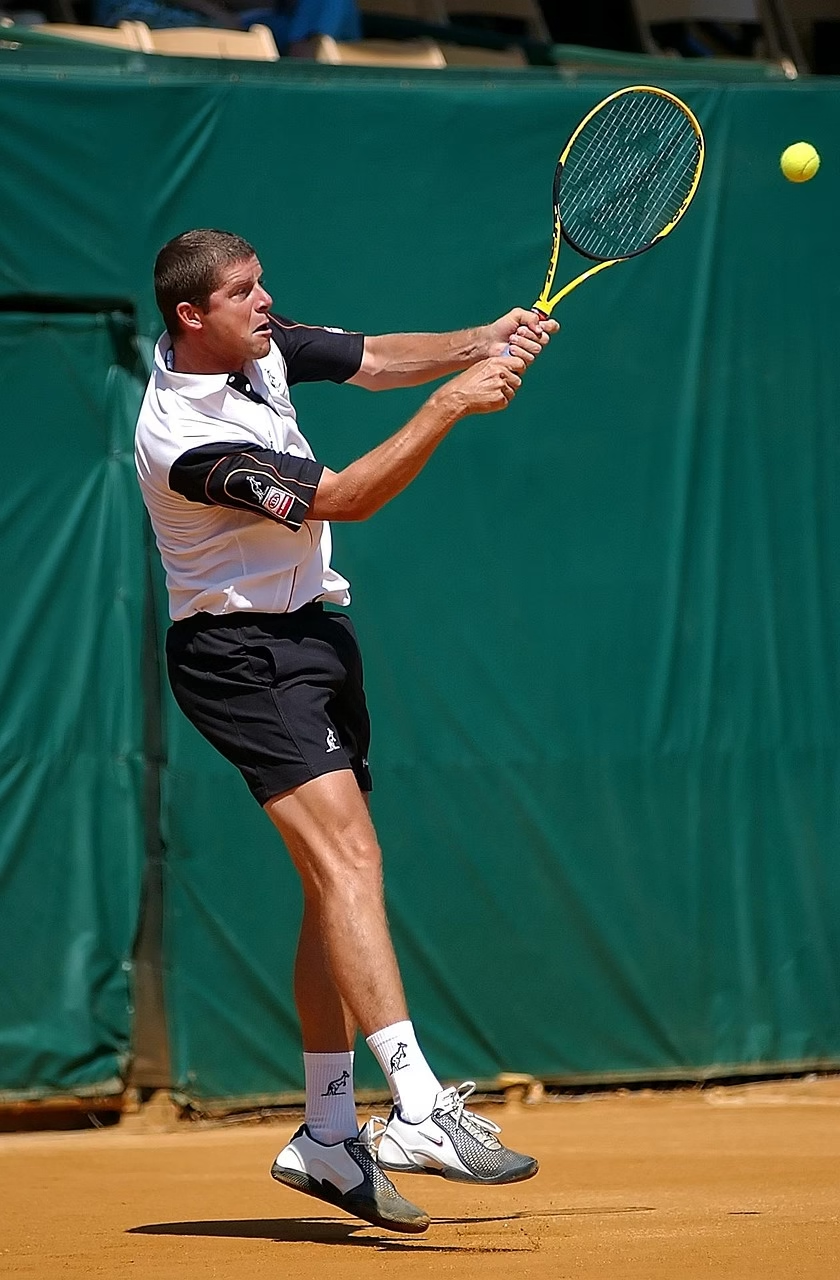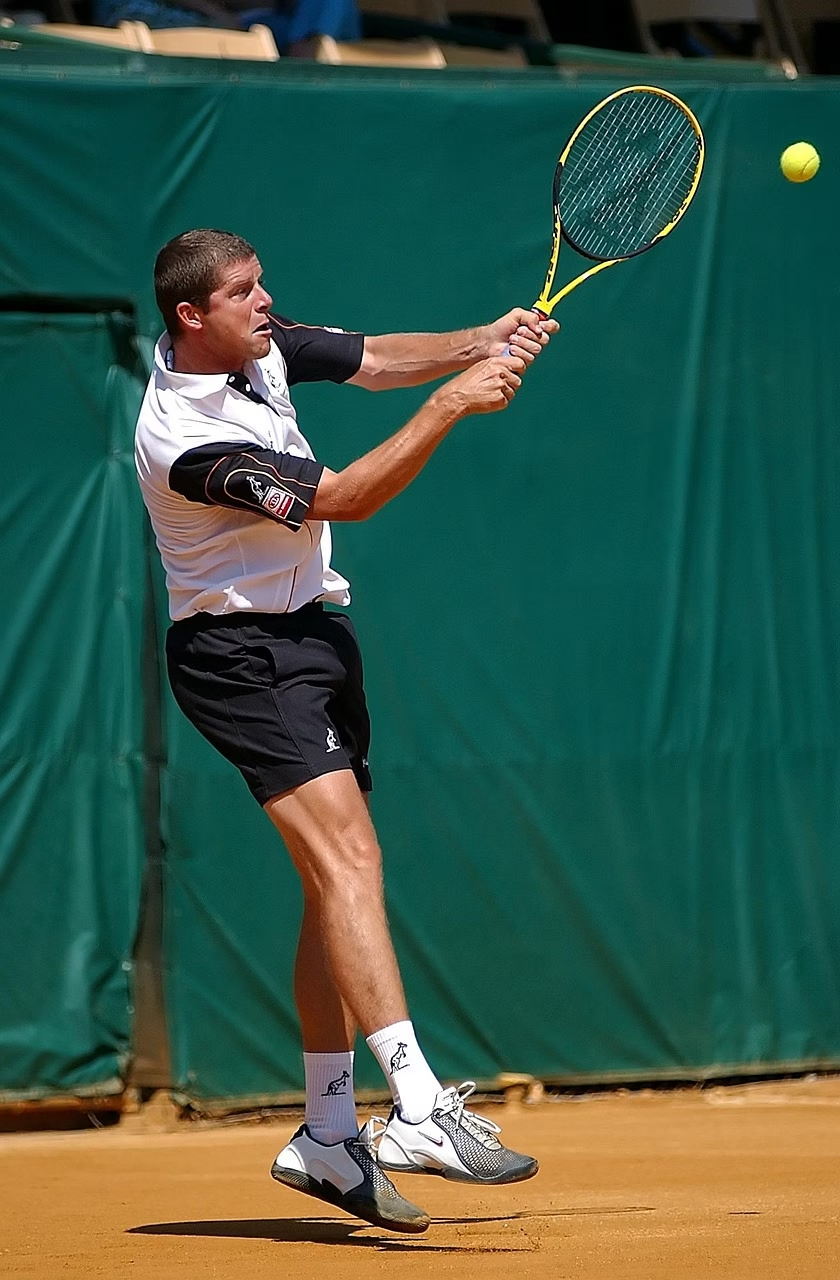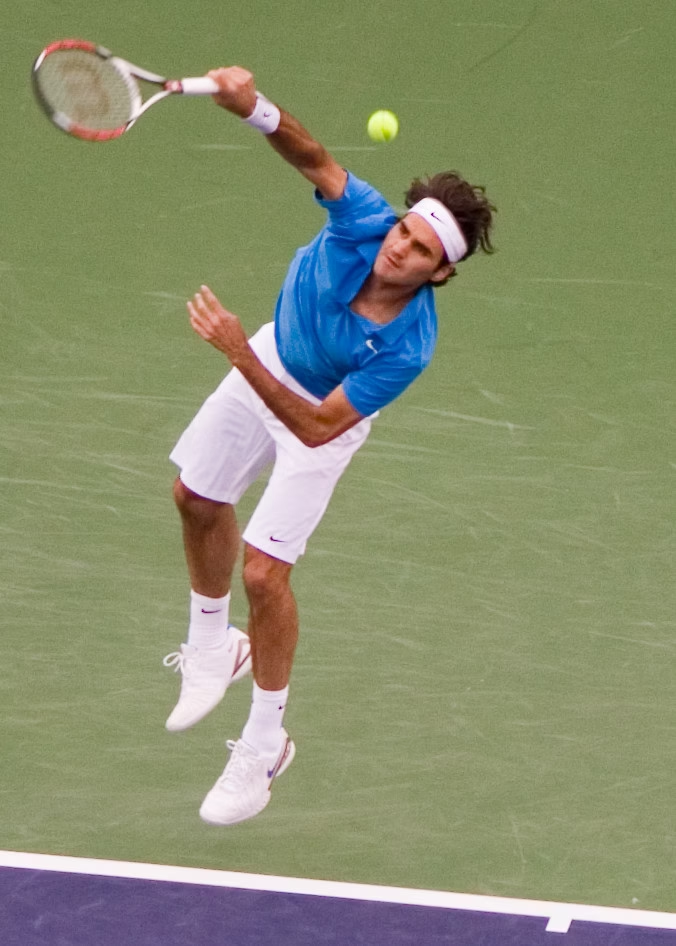






Nineteen-year-old Brazilian sensation Joao Fonseca signaled a seismic shift in professional tennis this week at the French Open, securing a grueling five-set victory over world number one Novak Djokovic. The upset, which unfolded on the historic clay courts of Roland Garros, serves as a definitive coming-of-age moment for the teenager, effectively announcing his transition from a promising prospect to a legitimate contender on the ATP Tour.
The Weight of the Upset
Defeating a player of Djokovic’s caliber—a 24-time Grand Slam champion—is a feat few players achieve throughout their entire careers. Fonseca’s ability to maintain composure under the immense pressure of a five-set match against the sport’s most decorated defensive tactician highlights a level of mental fortitude rarely seen in players under the age of 20.
The match was defined by long, attritional rallies that tested the physical limits of both athletes. While Djokovic struggled to find his rhythm against the teenager’s aggressive baseline play, Fonseca capitalized on critical break points, demonstrating a tactical maturity that belies his limited experience on the professional circuit.
Contextualizing the Rise
The tennis world has been searching for the next generation of superstars to fill the void left by the gradual decline of the ‘Big Three.’ For years, the industry has relied on the dominance of Djokovic, Nadal, and Federer, but the emergence of younger players like Carlos Alcaraz and Jannik Sinner has recently begun to shift the status quo.
Fonseca’s victory arrives at a pivotal juncture for the sport. Analysts suggest that the physical demands of modern tennis are favoring younger, more explosive athletes who can sustain high-intensity play for extended periods. Fonseca’s performance in Paris suggests he possesses the athletic profile necessary to compete in this new, high-velocity environment.
Expert Analysis and Statistical Significance
Tennis analysts point to Fonseca’s service efficiency and forehand velocity as the primary drivers of his recent success. According to tournament statistics, Fonseca maintained a first-serve percentage of 78% during the decisive fifth set, a metric that prevented Djokovic from establishing any momentum during return games.