
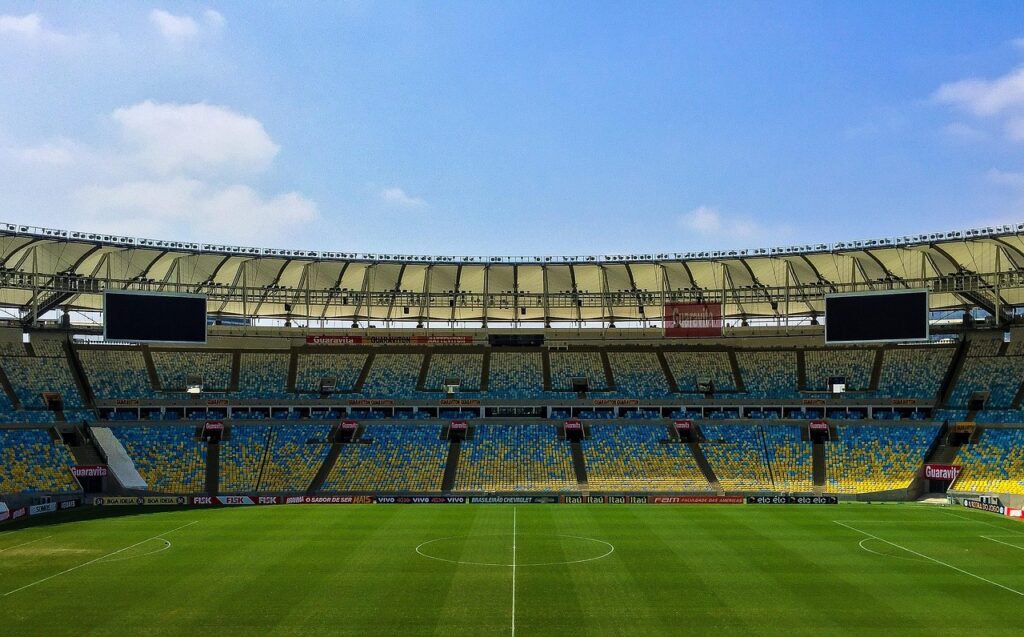

On Sunday, Spain and Argentina will face off in the highly anticipated 2026 FIFA World Cup final at MetLife Stadium in East Rutherford, New Jersey, bringing a dramatic close to the first-ever 48-team tournament in North America. The monumental clash will draw massive global attention, with U.S. President Donald Trump confirmed to attend the match alongside numerous international dignitaries amid unprecedented security measures.
A Historic Tournament Reaches Its Climax
The 2026 tournament represents a landmark shift in international football, expanding the traditional 32-team format to 48 nations and spreading matches across the United States, Canada, and Mexico. Spain enters the final seeking to reclaim global dominance, showcasing a vibrant, possession-based style that has dismantled opponents throughout the knockout stages. Meanwhile, Argentina, the defending champions, aim to cement their status as a modern football dynasty by securing back-to-back world titles following their historic triumph in Qatar.
High-Profile Attendance and Heightened Security
The confirmed attendance of Donald Trump underscores the intersection of global sport and high-level politics at this year’s final. Federal agencies, including the U.S. Secret Service, are collaborating with FIFA and local New Jersey authorities to establish a multi-layered security perimeter around MetLife Stadium. This high-profile presence elevates the final from a premier sporting event to a major diplomatic gathering, with tight airspace restrictions and intensified border security protocols active throughout the weekend.
The Touchline Chess Match: Scaloni vs. Spain’s System
Much of the tactical intrigue centers on the contrasting styles and stoic temperaments of the two managers. Argentina’s Lionel Scaloni has drawn widespread praise, with analysts comparing his calm under pressure to club-level legends like Real Madrid’s Carlo Ancelotti. Observers note that Scaloni’s ability to remain completely unfazed during high-stakes moments—such as late-game equalizers—mirrors Ancelotti’s famously relaxed touchline demeanor, a trait that instills immense confidence in his squad.
Conversely, Spain’s manager has built a highly disciplined, fluid system that prioritizes quick transitions and high pressing. Spain’s midfield has consistently worn down opponents by controlling tempo and space, presenting a stark contrast to Argentina’s more direct, emotionally charged counter-attacking style. The tactical battle in the center of the pitch will likely dictate which nation lifts the trophy.
Unprecedented Economic and Viewership Projections
Sports economists project that the 2026 final will shatter previous broadcasting and commercial records. FIFA estimates a global live television audience exceeding 1.5 billion viewers, driven by prime-time broadcasting slots across the Americas and expanded streaming access worldwide. Nationally, the New York-New Jersey metropolitan area expects an economic windfall of over $600 million from tourism, hospitality, and event-related spending over the weekend.
“The sheer scale of this tournament has redefined the commercial landscape of international sports,” says Dr. Amanda Reynolds, a sports management analyst. “Hosting a 48-team event across three nations was a massive logistical gamble, but the financial returns and global engagement levels indicate that multi-nation hosting is the future of mega-events.”
England Reevaluates After Early Exit
While Spain and Argentina prepare for the grand stage, the fallout from the tournament continues for other football giants. The England national team, eliminated in the earlier knockout rounds, faces intense media scrutiny and administrative evaluation back home. The Football Association (FA) has reportedly initiated a comprehensive review of the coaching staff and squad selection, with discussions already shifting toward tactical rebuilding ahead of the upcoming European Championship qualifiers.
What to Watch Next in Global Football
As the final whistle approaches on Sunday, the football world will immediately begin assessing the long-term implications of this expanded tournament. Analysts will closely monitor player fatigue levels, as many athletes must return to their respective European clubs within weeks to begin the domestic season. Furthermore, the operational success of the United States, Canada, and Mexico co-hosting model will heavily influence FIFA’s future bidding processes, potentially making multi-nation tournament structures the standard for the 2030 World Cup and beyond.