

NBA Commissioner Adam Silver defended Indiana Fever rookie sensation Caitlin Clark on Thursday, warning that the rising star has unfairly become a “political football” amid escalating national debates over the physical play and intense media scrutiny she has faced during her debut WNBA season. Speaking in Boston ahead of Game 1 of the NBA Finals, Silver addressed the growing cultural firestorm surrounding the league, urging critics to focus on the basketball court rather than using the rookie as a proxy for broader societal conflicts.
The Catalyst of a New Era
Clark entered the WNBA in May 2024 as the most anticipated draft pick in women’s basketball history, following a record-breaking collegiate career at the University of Iowa. Her transition to the professional ranks has catalyzed unprecedented growth for the league, driving record-breaking television ratings, sold-out arenas, and multi-million-dollar charter flight upgrades. However, this surge in popularity has also brought intense scrutiny to the league’s on-court dynamics, particularly the physical defensive strategies employed by veteran players against the rookie guard.
Debating the Physicality of the Game
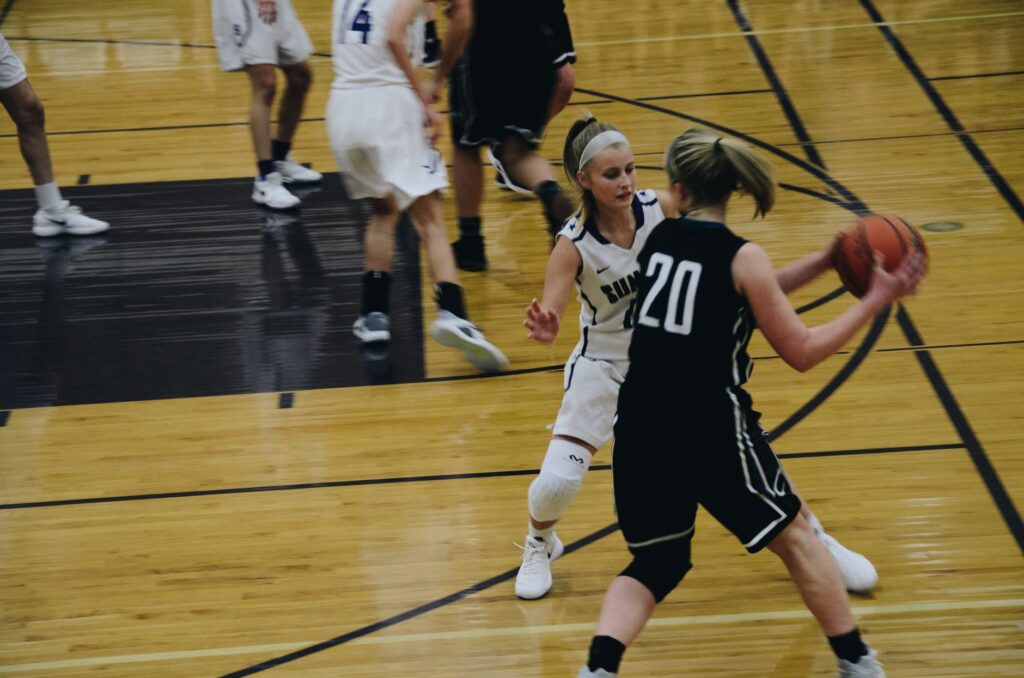
The discourse reached a boiling point following an incident on June 1, 2024, when Chicago Sky guard Chennedy Carter delivered a hard, off-ball shoulder check that knocked Clark to the ground. The play, which was later upgraded to a flagrant-1 foul by the league, ignited a wave of commentary across mainstream and social media, with some commentators alleging that veteran players are targeting Clark out of jealousy or racial animus. Conversely, other analysts and former players argue that physical play is a standard welcoming ritual for any highly touted rookie entering a professional league.
Silver dismissed the notion that the physical play directed at Clark is anomalous or malicious, framing it as a natural byproduct of elite competition. “As a fan, it’s nothing new in basketball that there’s a welcoming process for high-profile rookies,” Silver said during his press conference. “But it is unfair to Caitlin to use her as a political football to score points in debates that have nothing to do with the game itself.”
The intensity of the debate has drawn commentary from outside the sports world, including politicians and cultural commentators who have used Clark’s experiences to debate broader themes of race, gender, and meritocracy. Silver cautioned against this politicization, emphasizing that the focus should remain on the athletic achievements of all players in the league. He expressed confidence that the athletes themselves would navigate this transition phase, noting that competition naturally breeds rivalry and mutual respect over time.
Data and the Economics of the Clark Effect
The economic impact of Clark’s arrival is measurable and historic. According to ESPN, the 2024 WNBA Draft drew a record 2.45 million viewers, a 307% increase from the previous year. Furthermore, teams hosting the Indiana Fever have experienced dramatic attendance spikes, frequently moving games to larger NBA arenas to accommodate ticket demand. For example, the Washington Mystics relocated their June 7 matchup against the Fever to the Capital One Arena, selling out the 20,000-seat venue within hours.
Sports sociologists and media analysts point out that the hyper-focus on Clark has exposed deep-seated cultural tensions. Dr. Courtney Cox, a professor of indigenous race and ethnic studies who researches sports media, notes that the narrative often oversimplifies the complex dynamics of a league that is predominantly Black and queer. “The mainstream media’s sudden interest in the WNBA has brought a wave of viewers who lack historical context about the league’s style of play and its long-standing stars,” Cox stated in a recent analysis.
WNBA veterans have also voiced their perspectives, urging the public to appreciate the collective talent of the entire league rather than focusing solely on one individual. Las Vegas Aces star A’ja Wilson and New York Liberty forward Breanna Stewart have both noted that while Clark’s popularity is a massive boon for the league, the foundation of the WNBA was built by decades of hard work from players who did not receive comparable media coverage. This tension highlights the delicate balance the league must strike between celebrating its new star and honoring its established veterans.
Navigating Growth and Player Welfare
The immediate challenge for WNBA Commissioner Cathy Engelbert and league executives is balancing this commercial windfall with the welfare and protection of its athletes. The league recently implemented a full-time charter flight program for all 12 teams, a direct response to safety concerns raised by players traveling through public airports as public interest intensified. This logistical upgrade represents a major financial investment, funded in part by the projected revenue increases from upcoming media rights negotiations.
As the season progresses toward the mid-summer Olympic break, industry observers will closely monitor how the league manages officiating standards and player relations. The WNBA is currently negotiating its next multi-year media rights deal, which experts predict could quadruple in value from its current $60 million annual average. The sustained high ratings of Fever games will serve as critical leverage in these negotiations, potentially reshaping the financial landscape of women’s professional sports for the next decade.